Category
Lifestyle
Assisted Choices
Marketing evolves to accommodate a post demographic approach.

Trend
Explicit Psychographic: Through the democratization of information in the digital age, consumers are less inclined to be oversimplified and categorized by traditional demographics. With the rise of individualism and demand for representation, there’s an increasing need for marketers to avoid boxing consumers into demographic segmentations based on limiting factors like age, gender, economic status, sexuality or race. Though this psychographic approach has been employed internally for some time, it is only now being integrated explicitly into branding and product.
Trend themes
As consumers demand representation and individuality, marketers are adopting a post-demographic approach to avoid boxing them into limiting categorizations based on age, gender, economic status, sexuality, or race.
Inclusive marketing campaigns are on the rise, featuring models who are inclusive of various identities, backgrounds, and sizes to shift towards embracing differences rather than trying to conform.
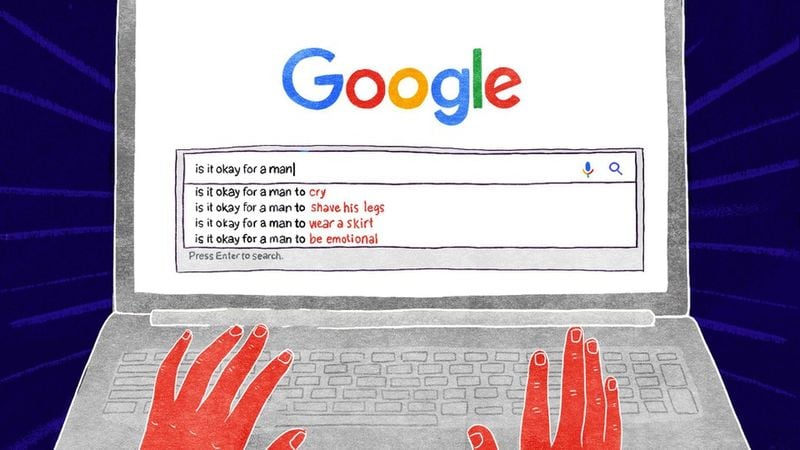
Brands are now rethinking masculinity by questioning traditional stereotypes and gender roles and are actively pushing campaigns that are more inclusive and enlightened in nature.
Industry implications
By using inclusive marketing and empowering ad campaigns, the fashion and beauty industry is becoming more diverse and celebrating differences.
Modern marketing techniques used in the Hospitality & Tourism industry that cater to the individual and their unique experience are gaining traction.
The Personal Care & Grooming industry stands to gain with the changing notion of masculinity, broadening its consumer base by challenging traditional stereotypes.
Workshop question
Trend signals
Trend score 4.2 out of 10, from popularity 72%, activity 47%, freshness 8%.
Evidence
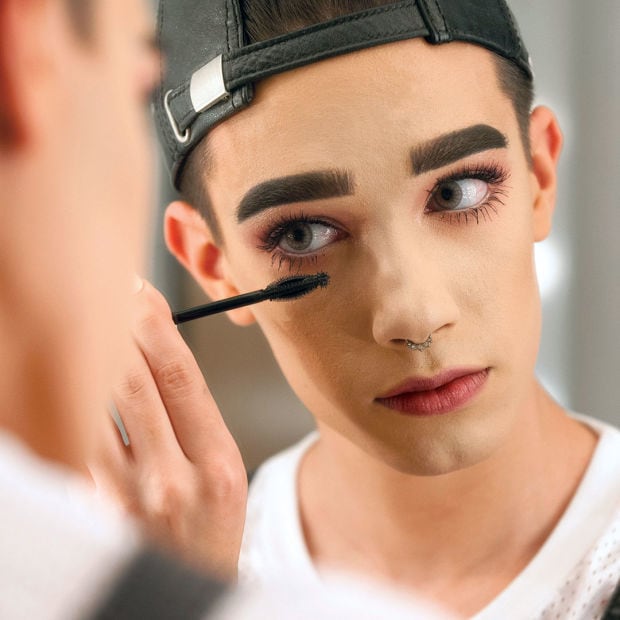
Influencer James Charles Will Be Covergirl's Newest Ambassador
Beauty brands can disrupt the industry by featuring male brand ambassadors and embracing inclusivity in their marketing strategies.
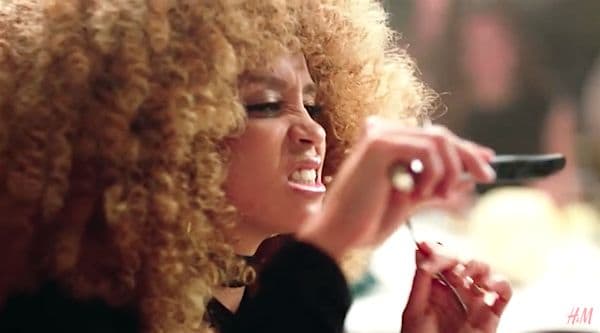
The New H&M Ad Shows a Less Constricted Representation of Femininity
Fashion brands can disrupt the industry by creating more inclusive and authentic ads that embrace diversity and reject societal norms.
The Venetian's 'Come as You Are' Ad Celebrates the Individual
Hotels, resorts, and other hospitality businesses can adopt individuality-celebrating ads to differentiate themselves and attract a broader customer base.
Axe's 'Find Your Magic' Campaign is Rethinking Male Stereotypes
Disruptive innovation opportunity for personal care brands to redefine beauty ideals and cater to a more diverse range of individuals.
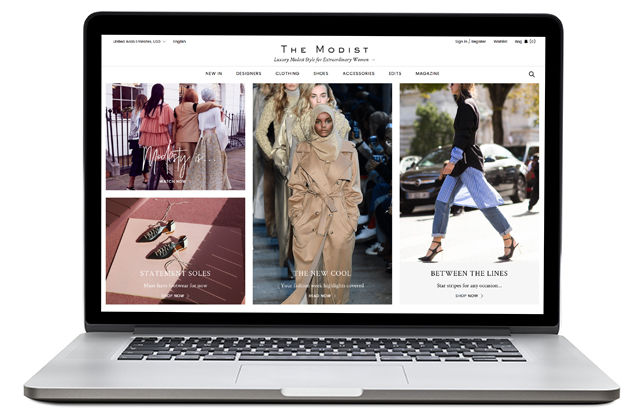
The Modist Aims to Empower a Diverse Consumer Demographic
There is a disruptive innovation opportunity in the e-commerce industry to create platforms that offer fashionable and inclusive clothing options for diverse consumer demographics.