

Category
Lifestyle
Baseline Support
A previously complex industry enters a new phase of streamlining.

What's Happening
Monostep Finance: Due to the fast pace of modern living and the digitization of the world at large, processes such as purchasing have reduced to two steps or less to great success. This monostep approach is infiltrating other industries that are notoriously complex, such as finance. This is especially important as the Millennial comes as adult age, as it accommodates their need for instant gratification.
Evidence
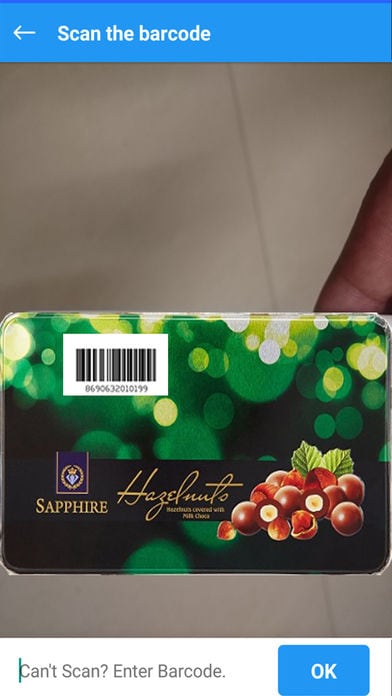
'Perpule 1Pay' Simplifies Retail Payment Systems and Reduces Queues
The retail industry can benefit from integrating self-checkout apps to improve efficiency and customer satisfaction.
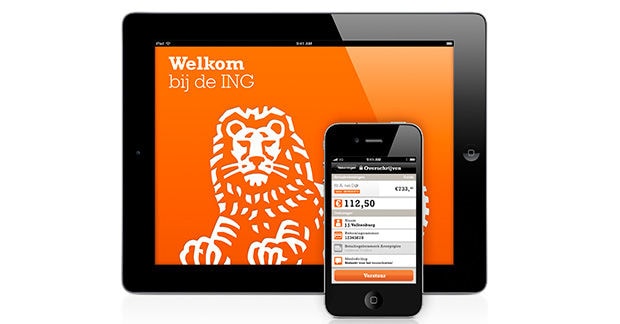
Dutch ING Customers are Able to Transfer Money by Speaking Out Loud
Fintech companies can capitalize on voice-controlled mobile banking technology to offer innovative and secure solutions to customers.
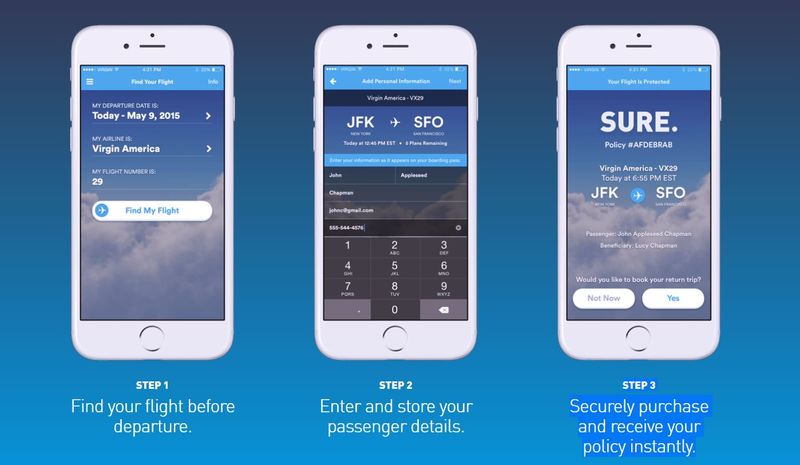
Sure Lets Subscribers Sign Up for Impromptu Life Insurance Programs
Disruptive innovation opportunity: Introduce innovative approaches within the insurance industry to offer personalized, on-demand and affordable insurance services.
Lotte Card's 'Hand Pay' Lets Consumers Pay by Scanning Their Palm
Credit card companies can explore integrating biometric payment systems to enhance convenience and security for their customers.
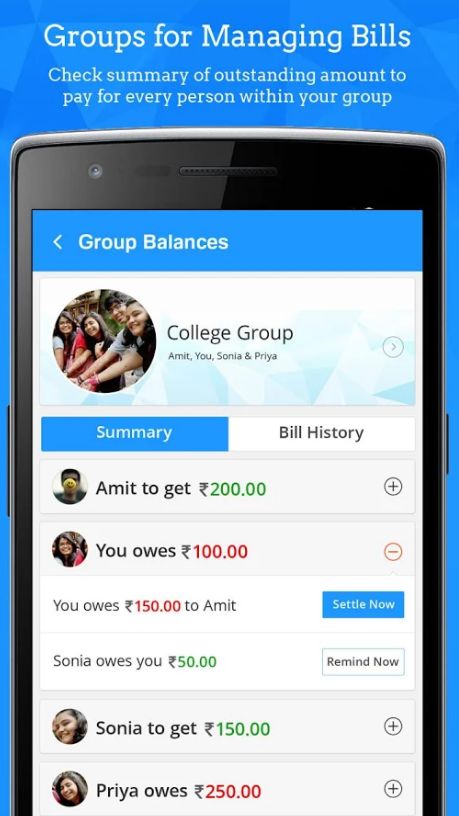
The ScrewCash Eases Payments Between Individuals and Business Alike
ScrewCash's innovative payment app falls under the fintech industry, which is constantly developing new solutions to transform financial transactions.
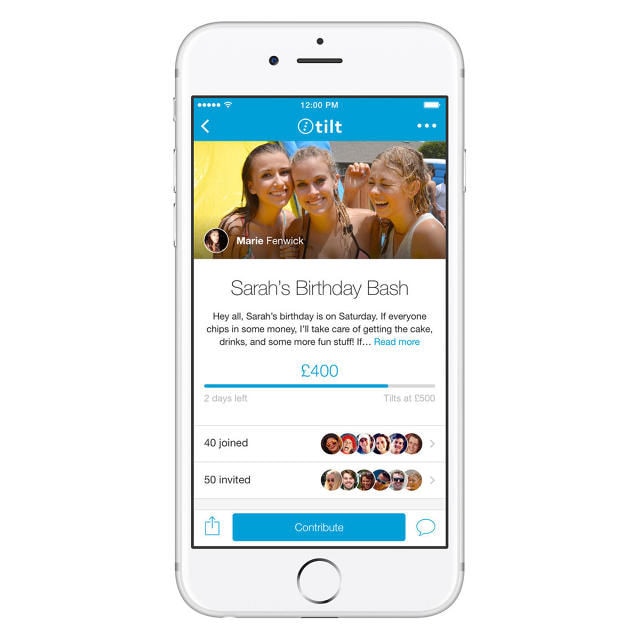
The Crowdfunding Site Tilt Now Offers One-to-One Payment Options on Its App
As a peer-to-peer payment app, Tilt's international expansion and competition with Venmo suggests a potential for disruption in the fintech industry through innovative payment and…
Workshop question
If you were to leverage a monostep approach within your business, where would you integrate it?
Trend signals
Trend score 2.9 out of 10, from popularity 40%, activity 40%, freshness 8%.
Trend themes
Streamlining complex industries by reducing the purchasing process to two steps or less.
Facilitating payment through smartphones, apps have disrupted the P2P, personal payment, express checkout and hand payment sectors.
Companies offering flexible and episodic services for users in need of peace of mind without commitment.
Industry implications
Digital finance streamlining the purchasing process and enabling on-demand payment services.
Advancements in biometric payments are changing how people transact.
Express checkout apps are reducing queuing times and infrastructure costs for retailers, while mobile payment apps demonstrate new revenue streams.