Tilt is now offering one-to-one payments in addition to its crowdfunding platform.
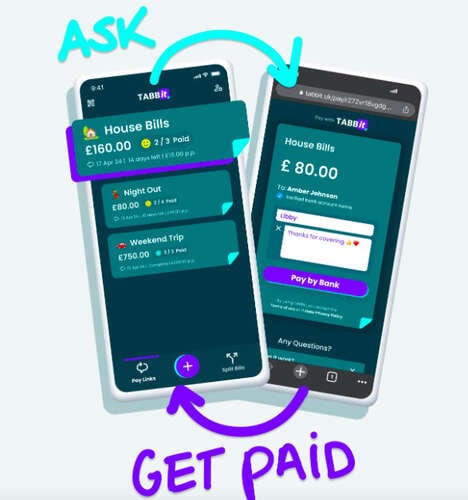
Tilt is launching the one-to-one payment option for international users. Making the feature available internationally would give it an advantage over Venmo, which is a peer-to-peer payment app that only operates in the US. The one-to-one payment feature makes it easy to transfer funds to contacts or groups. With 75% of Tilt users being university students or recent graduates, the peer-to-peer payment option will likely be very popular for paying for dinners easily or splitting costs for parties or vacations.
Tilt is hoping to fill the gap in peer-to-peer payment apps outside of the US by launching the feature in the UK, Canada and Australia, as well as in the US.
What's Driving This Trend
- International Expansion
- Tilt's launch of international one-to-one payment option aims to fill the gap of peer-to-peer payment apps outside of the US, providing opportunities for global expansion.
- Peer-to-peer Payment Popularity
- The popularity of peer-to-peer payment among university students and recent graduates suggests potential for growth in user base, as well as possible integration of related services (e.g. budgeting tools).
- Competition with Venmo
- Tilt's availability of international one-to-one payments aims to give it an advantage over Venmo and disrupt the peer-to-peer payment app market, indicating potential for further innovation and differentiation.
Who This Affects Most
- Fintech
- As a peer-to-peer payment app, Tilt's international expansion and competition with Venmo suggests a potential for disruption in the fintech industry through innovative payment and financial services.
- Education
- Tilt's popularity among university students and recent graduates suggests opportunities for integration with education-related services (e.g. student loan payments, discounts for educational expenses).
- Hospitality and Travel
- The popularity of peer-to-peer payment for splitting costs and paying for group expenses suggests potential for integration with hospitality and travel services (e.g. payment for hotel bookings, restaurant reservations, and events).