Category
World
Layered Getaways
Trend
Stationary Escapism: Though consumers are becoming more cautious in their spending post-recession -- especially Millennial consumers who are known to carry debt -- the need for escapism and relaxation persists. To enable authentic adventures on a budget, a rise in simulated escapism can be seen. This moves beyond virtual reality to provide a 360-degree experience that speaks to the dire need for escape from a fast-paced society.
Trend themes
To enable authentic adventures on a budget, a rise in simulated escapism can be seen, moving beyond virtual reality to provide a 360-degree experience that speaks to the dire need for escape from a fast-paced society.
Increasingly, attractions are using immersive augmented reality elements to enhance visitor experiences in museums, aquariums, and other places of interest.
Highly realistic computer simulations offer tremendous potential as tools for both research and entertainment, providing detailed views into areas ranging from climate change to architecture.
Industry implications
The desire for escapism and budget-friendly vacations is driving the hospitality industry to embrace simulated experiences, augmented reality attractions, and other technology-driven innovations.
Realistic computer simulations are revolutionizing the entertainment industry, allowing for more immersive and engaging experiences for audiences and gamers alike.
Computer simulations are proving to be invaluable tools in scientific research and environmental studies, offering a new way to model and explore complex systems and phenomena.
Workshop question
Trend signals
Trend score 4.6 out of 10, from popularity 59%, activity 71%, freshness 8%.
Evidence
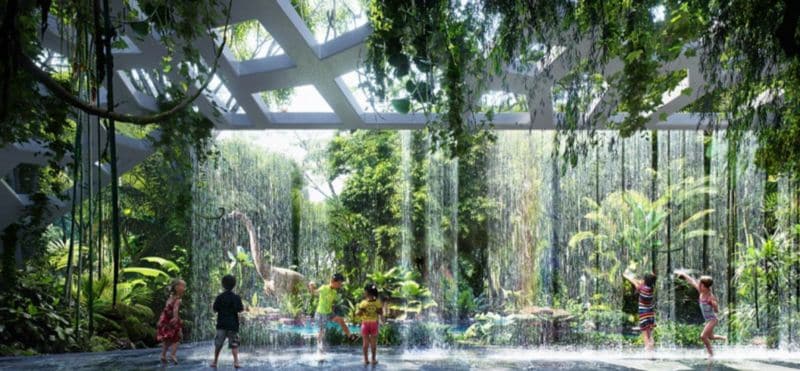
Rosemont Hotel and Residences Will Offer Artificial Forests to Explore
The hotel industry can leverage simulated and virtual experiences to enhance guest satisfaction and differentiate themselves from competitors.
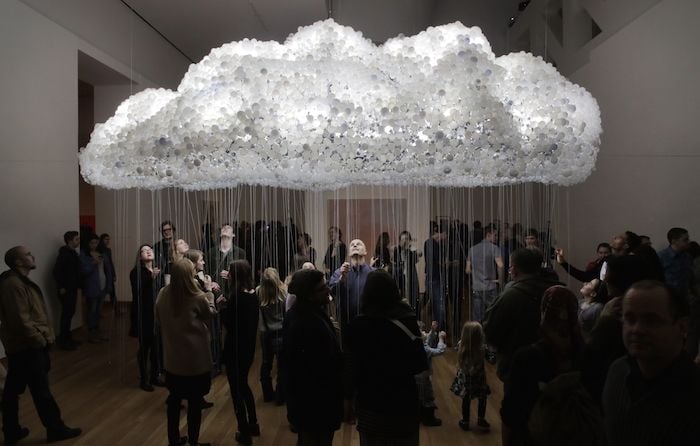
The CLOUD Art Installation is Constructed from Recycled Lightbulbs
Artists can use upcycling techniques and interactive elements to create unique installations that stand out in the art world.
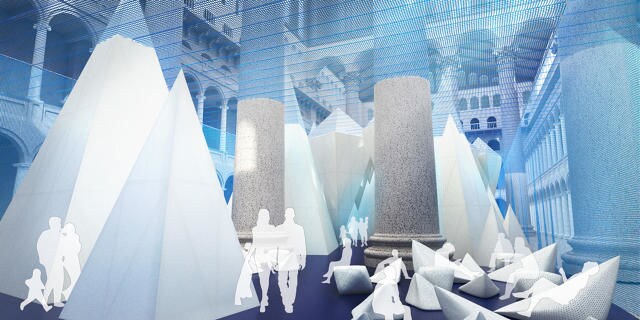
This National Building Museum Exhibit Will Explore Icebergs
Museums can capitalize on the trend of simulated exhibits to create engaging and educational experiences for visitors.
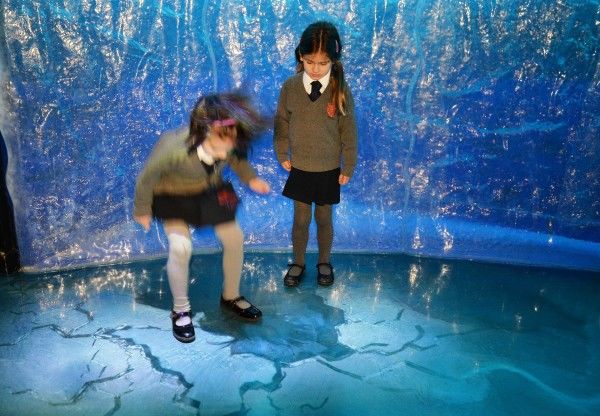
The Newest Sea Life London Aquarium Attraction is Driven by AR
Disruptive innovation opportunity: Integrate AR technology and multi-sensory elements into tourist attractions to enhance visitor engagement and create truly memorable experiences.
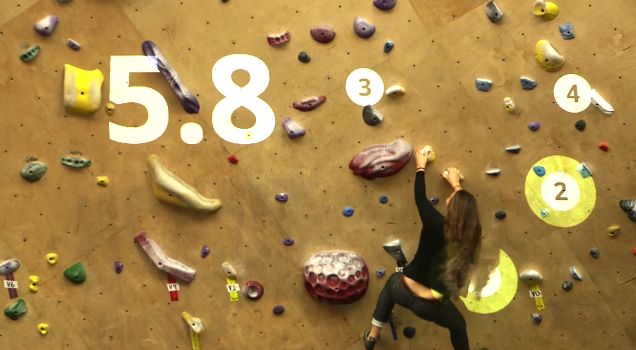
The Time Trial Experience Offers a Gamified Projection of the Sport
Integration of virtual reality and augmented reality technologies to enhance the rock climbing experience and attract new enthusiasts.
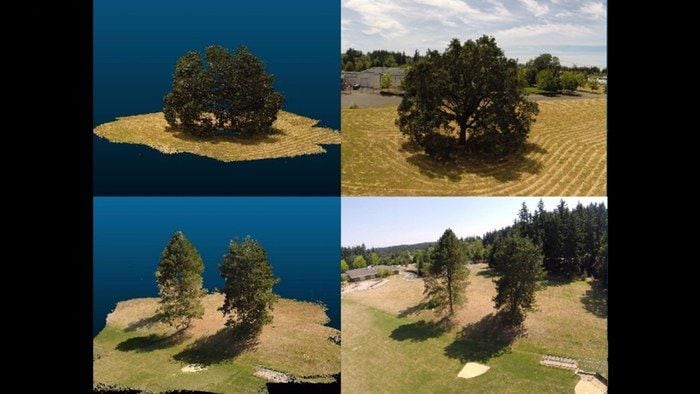
This Forest Simulation Aids Assessments of Climate Change
The cyber forest simulation can aid in the understanding of climate change effects on forests, leading to potential innovations in environmental science.