
Category
Lifestyle
Baseline Support
Big brands shift their marketing to be more inclusive in their messaging.
What's Happening
Branded Inclusivity: Brand authenticity continues to be a priority among consumers, and with that, a desire for more inclusive initiatives are on the rise. Showcasing a bolder commitment to inclusivity across various categories, big name brands are adapting their marketing campaigns, packaging and even brand messaging to better reflect people of different genders, backgrounds, and physical ability. These shifts in marketing approaches speak to the growing number of brands working toward not only being more inclusive but also being more transparent and open about it as well.
Evidence
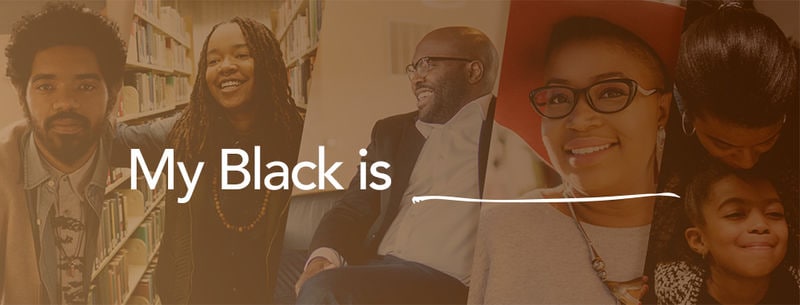
P&G Produces Thought-Provoking, Sincere & Experience-Based Videos
The marketing industry can explore innovative approaches to diversity campaigns by incorporating storytelling techniques and addressing everyday racism.
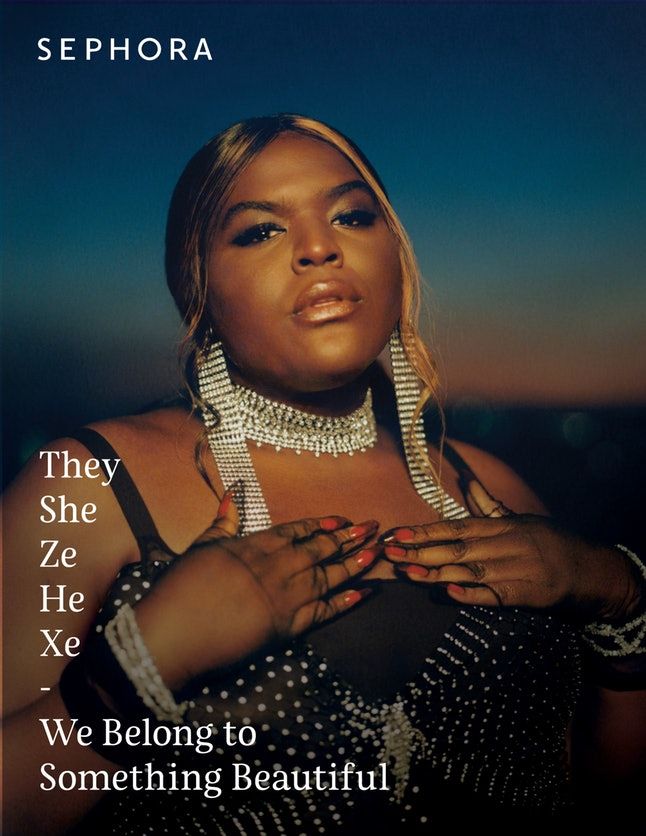
Sephora's 'Identify As We' Showases Non-Binary & Genderfluid People
Beauty companies can transform to more inclusive, diverse, and empowering beauty brands, targeting different types of markets.
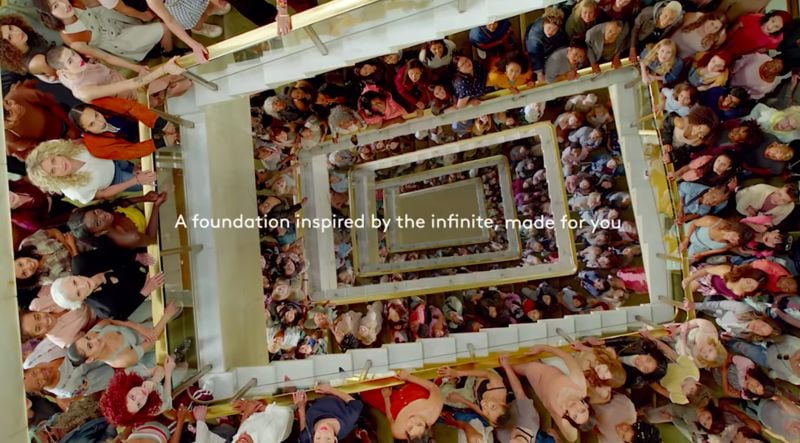
CoverGirl's Short Film Credits 1,000 Inspiring Women
Companies in the beauty and cosmetics industry can leverage inclusive campaigns and develop expanded foundation ranges to meet the demands of diverse consumers.
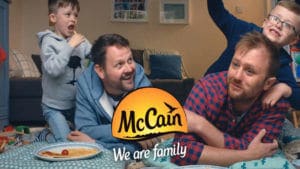
McCain Launched the Differences Campaign That Focuses on Family
The frozen food industry can capitalize on the trend towards family-specific advertising by creating products that appeal to a variety of families and emphasize family meal time.
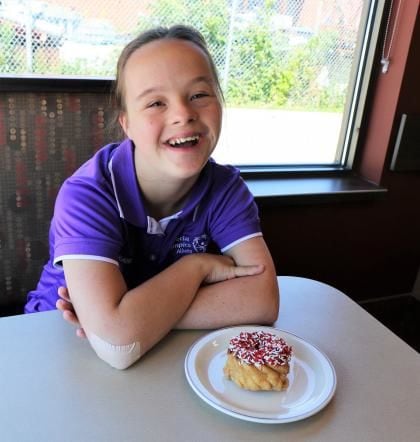
Tim Hortons & Special Olympics Canada Create a Special Olympics Donut
Food and beverage companies can create special edition products to support social causes and promote inclusivity.
Workshop question
In what way could your brand and business speak to the social issues and concerns of your consumers in a more authentic way?
Trend signals
Trend score 2.6 out of 10, from popularity 56%, activity 14%, freshness 8%.
Trend themes
Big brands are shifting their messaging to be more inclusive and authentic, not just for PR but as a priority for their consumers' values.
Companies are utilizing their brand platforms to showcase representation and celebration of diversity with customers in mind.
Marketing efforts are focused on developing personalized, sincere, and relatable stories that can resonate with people and establish a greater connection with consumers.
Industry implications
There's an opportunity for cosmetics and fashion companies to move beyond color matching and visible representation in their products and advertising, and focus on deeper inclusivity measures that affect their consumers' beliefs.
Brands that cultivate stories of individualized representation and showcase impactful social collaborations can bring visibility and support to the groups who have been underrepresented and underfunded in society generally.
Brands can portray the importance of family, unity and diversity in advertising campaigns through thoughtful, personalized and relatable stories that represent the target market.