Category
Eco
Ownership Ease
Manufacturers of consumer goods adopt zero-waste production processes.



What's Happening
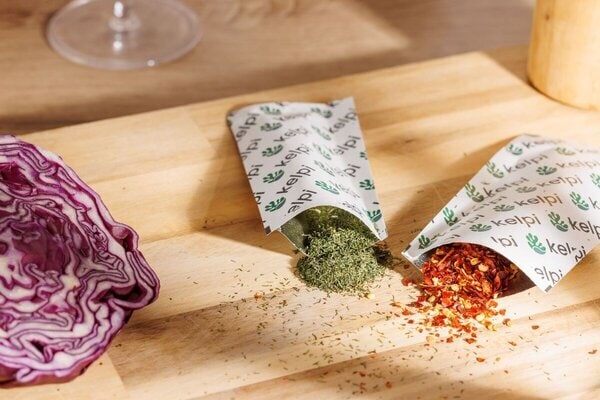
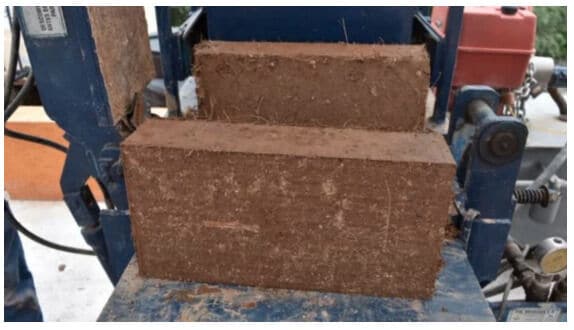
Waste-Free Commodity: As technological advancements have allowed for more creative and impactful reuse and recycling methods, some manufacturers of consumer goods are following suit by committing to waste-free manufacturing processes. For many consumers, zero-waste manufacturing serves the added benefit of providing a distinct value proposition that extends beyond claims of sustainability. Millennial and Gen Z consumers continue to expect the brands they engage with to reflect their own values and this slow shift in production practices highlights the growing purchasing power of today's youth.
Evidence
'The Very Good Bra' Creates Underwear without Toxins
The fashion industry can explore and capitalize on the demand for compostable and natural clothing options to meet the growing consumer desire for sustainable fashion.
The 3D Printed Sunglasses From w.r.yuma are Made Out of Recycled Materials
Incorporating zero waste practices and recycled materials in the fashion industry disrupts traditional production methods and promotes sustainability.
This Liquor Company is Making Mezcal Production More Sustainable
Distilleries can adopt zero waste practices and incorporate sustainable features in their production facilities to reduce environmental impact and attract eco-conscious consumers.
This 3D Printer Uses High-Speed Titanium Spraying Technology
Disruptive innovation opportunity: Streamlining the production of complex automotive parts by adopting high-speed titanium spraying technology and large part printing using gargan…
Ecoalf's Shao Sneakers are Made from Algae and Ocean Plastic
The fashion industry can explore the use of recycled waste materials to create sustainable and environmentally-friendly clothing and accessories.
Workshop question
How is your brand adapting to shifting consumption norms driven by today's youth?
Trend signals
Trend score 4.4 out of 10, from popularity 70%, activity 54%, freshness 8%.
Trend themes
Manufacturers are committing to waste-free production processes, providing a distinct value proposition that appeals to environmentally conscious consumers.
Brands are turning waste materials into premium designer products, addressing environmental issues and empowering consumers to make a small contribution to a wider problem.
Fashion labels are using natural and sustainable materials to create zero-waste, compostable, and toxic-free products that appeal to eco-conscious consumers.
Industry implications
Companies can adopt zero-waste practices and prioritize the use of eco-friendly materials in manufacturing to appeal to environmentally conscious consumers and reduce environmental impact.
Brands can use recycled and eco-friendly materials to create sustainable and premium designer fashion products that appeal to eco-conscious consumers and address the issue of fast fashion's environmental impact.
Companies can adopt high-tech and eco-friendly manufacturing practices, such as using gargantuan metal 3D printers, to improve traditional processes and reduce waste, benefiting both people and the planet.