
Category
Eco
Exit Logic
Light EVs are being built for lower-friction daily upkeep to lower barriers.


What's Happening
Ownership Ease: Micro-mobility makers are shifting attention from headline performance to the practical demands of owning a vehicle every day. Brands are also leaning on clearer utility cues such as compact form factors, entry-level positioning, and stated real-world range. Together, these choices aim to make purchase decisions feel less speculative for first-time buyers.
Why It's Happening
Consumers considering a light electric vehicle are not just comparing ride specs; they are judging whether the product will fit into their living situation. Charging access, storage space, and portability can be as important as speed or style. There is also a trust gap around micromobility claims, especially when advertised capability may not match routine commuting conditions. More grounded range positioning appears to respond to shoppers who want fewer surprises after purchase. The broader takeaway is that adoption may grow less through bigger specs than through fewer ownership frictions.
Evidence
Juiced Creates A Smaller Scrambler E-Bike Designed For Younger And Shorter
Smaller-format e-bike designs expand the category beyond adult commuters by addressing underserved riders who struggle with full-size models.
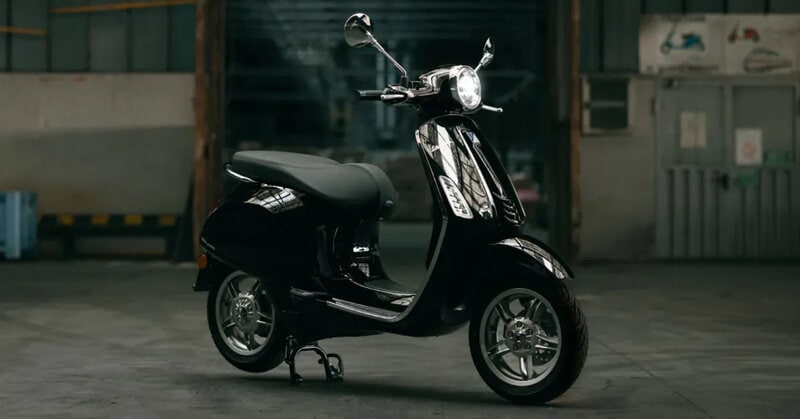
Vespa Adds a Pull-Out Battery to Elettrica
Swappable and pull-out battery systems can differentiate urban scooter platforms by solving charging friction in dense residential settings.
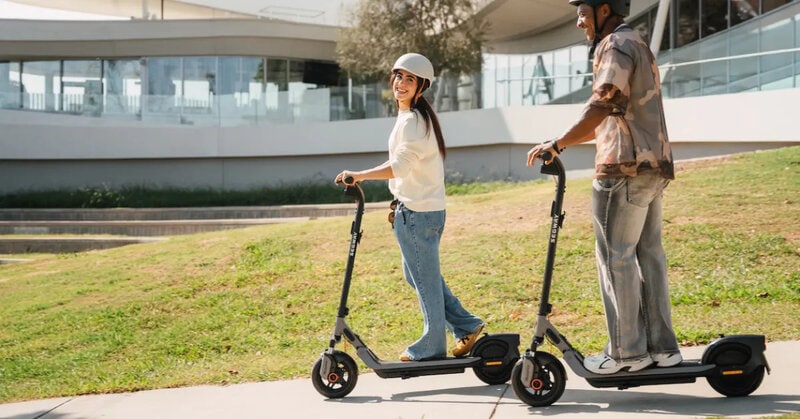
Segway Adds Apple Find My to Its Lower-Cost E3 Go Scooter
Affordable scooters with embedded smart recovery tools create new differentiation in crowded last-mile transportation markets.
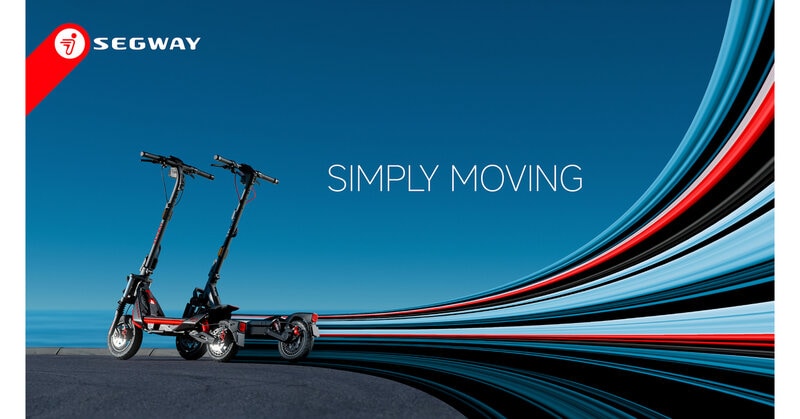
Segway Tests ZT3 MAX and MAX G3 Pro at Full Throttle
Certified real-world range metrics can differentiate electric scooter makers in a crowded market where reliability and commute confidence influence purchasing decisions.
Apollo Puts GPS Tracking and NFC Unlock in Its Dash Scooter
The inclusion of security and convenience features in lower-cost models is reshaping product differentiation across the commuter scooter market.
Workshop question
How could your brand reduce the day-to-day effort required to own and maintain its products?
Trend themes
Light EV makers are reducing daily hassles through portable formats, simplified access features, and easier charging designs that make micromobility feel more compatible with apartment living and routine commuting.
More grounded battery claims and real-world testing standards are creating room for brands to compete on transparency, reliability, and post-purchase confidence rather than inflated performance specs.
Anti-theft tracking, NFC unlocking, stability tuning, and adjustable speed controls are moving into entry-level models, expanding expectations for safer and more secure first-time ownership.
Industry implications
Dense-city travel systems are being reshaped by compact electric vehicles that fill gaps between walking, public transit, ride-hailing, and car ownership.
Connected hardware, location tracking, app-based access, and battery-management tools are turning light EVs into software-enabled personal devices rather than simple transport products.
Apartment-friendly charging, secure storage, and shared mobility amenities are becoming more relevant as residents adopt electric scooters and bikes without private garages.
Trajectory
Latest reading 7.2 for the week of Nov 9, 2026. Rising over the final 3 scored weeks (+0.8), −0.6 from its peak of 7.8 in the week of Oct 19, 2026. Momentum 4.4/10, persistence 7.5/10.
12 Trend Hunter articles were grouped into the wider weekly cluster this trend was identified in, over 4 weeks.
 High-Torque Gravel BikesMegamo Packs 150 Nm into Its Along 01 Bike
 Off-Road Electric E-BikesPriority Turns Its Sauce Bike Into the E-Sauce with a 750 W Motor
 Leaning Cargo E-TrikesFlekTrike Builds a Cargo Trike That Leans Into Turns and Locks Upright
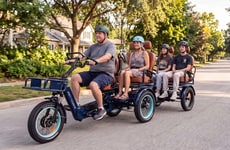 Multi-Passenger Electric TrikesSixThreeZero Adds 7,296 Wh of Battery to a Group-Hauling Trike
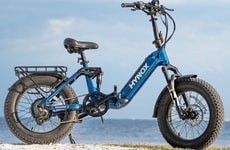 Fat-Tire Folding EbikesHynox Packs 100 Nm of Torque Into Its Foldable Trooper X
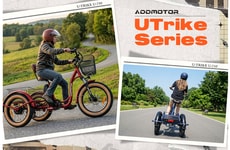 Adaptive Electric TrikesAddmotor Combines Tilting and Semi-Recumbent Riding Designs
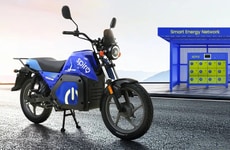 Africa-Focused Electric Motorcycle LinesYadea And Spiro Will Develop African Electric Motorcycles