
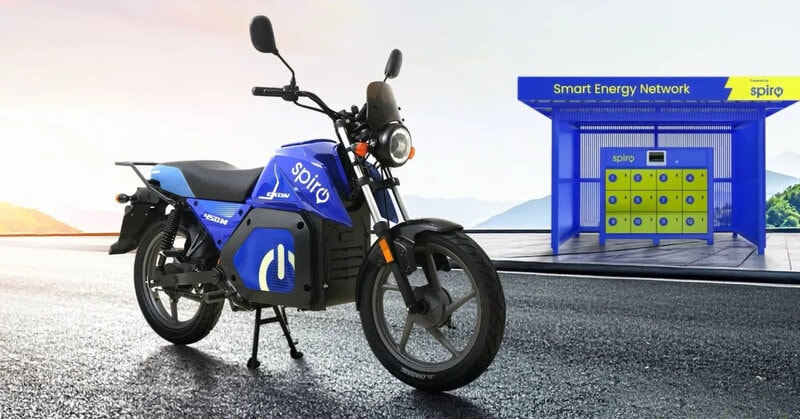
Yadea and Spiro partnered to develop electric motorcycles and scooters tailored to African markets, with models adapted for local roads and heavy commercial use. Yadea brings large-scale manufacturing and more than 100 million vehicles sold, while Spiro contributes a battery-swapping network supporting more than 130,000 motorcycles and 2,500 stations.
Yadea will supply electric two-wheelers, which Spiro will integrate into its energy network and regional assembly operations. The companies will jointly design models for high-mileage operators, including motorcycle taxi and delivery riders. Spiro says its network has completed more than 50 million battery swaps and supported two billion kilometers of travel.
For riders, quick battery exchanges and purpose-built vehicles could reduce downtime during all-day use. The partnership reflects a shift toward combining localized EV design with shared energy infrastructure. For Yadea, it opens access to Spiro’s African network, while Spiro gains manufacturing capacity that could expand its fleet and improve vehicle availability.
Image Credit: Electrek
What's Driving This Trend
- Localized EV Design
- Electric two-wheelers engineered for African road conditions and commercial workloads create room for durable, market-specific mobility platforms beyond imported vehicle templates.
- Battery-swapping Networks
- Dense swap-station infrastructure reduces charging downtime for high-mileage riders, reshaping energy access as a shared service for urban transport fleets.
- Commercial Two-wheeler Electrification
- Motorcycle taxi and delivery operators represent a scalable entry point for electric mobility models built around uptime, affordability, and fleet-ready maintenance.
Who This Affects Most
- Electric Vehicles
- Purpose-built motorcycles and scooters for emerging markets expand the EV industry through localized manufacturing, rugged design, and alternative charging ecosystems.
- Mobility Services
- High-use rider networks such as taxis and delivery fleets support new operating models where vehicle access, energy replenishment, and service reliability are bundled together.
- Energy Infrastructure
- Battery-swap systems position distributed energy networks as critical transportation infrastructure, linking grid access, storage logistics, and last-mile mobility demand.