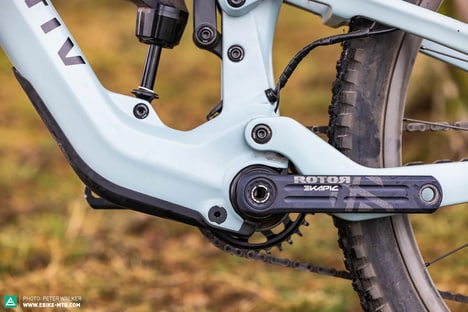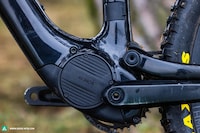
Bosch has reworked its 'Active Line Plus' e-bike motor for commuters and recreational cyclists, adding stronger assist while reducing bulk for everyday bikes. Built for US Class 1 e-bikes, the drive unit peaks at 600 watts, giving riders more help pulling away from stops or tackling hills without pushing the line toward mountain-bike territory.
The redesigned gearbox makes the unit smaller and lighter, helping bike brands fit it into slimmer frames that read more like conventional bicycles. Quieter gearing, smoother sensor tuning and support for Bosch's 'eShift' automatic gear changing keep the focus on pedaling instead of managing the motor.
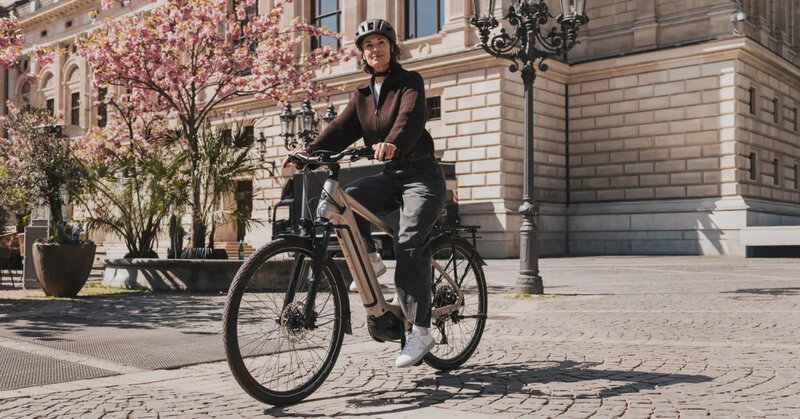
Trek's first North American use of the motor on the 'Marlin+' moves the redesign quickly into a mainstream bike. The smaller housing and quieter ride widen Bosch's appeal among brands building practical e-bikes for riders who want assistance without a bulky look or feel.
Image Credit: Bosch
Why This Trend Is Growing
- Slim E-bike Integration
- Compact motor housings are enabling bicycle brands to create assisted commuter models that preserve the familiar silhouette of traditional bikes.
- Quiet Assist Systems
- Lower-noise drivetrains and refined sensors are making electric assistance feel more natural, creating room for premium differentiation in everyday mobility.
- Automatic Gear Shifting
- Embedded shifting technologies are reducing rider effort and positioning commuter e-bikes as more accessible options for casual and urban cyclists.
Industries Being Reshaped
- Electric Bicycles
- Lighter and more powerful mid-drive motors are reshaping product design by allowing performance gains without the bulky aesthetics of earlier e-bikes.
- Urban Mobility
- Discreet pedal-assist platforms are expanding the appeal of low-emission transportation for commuters who prioritize practicality and ease of use.
- Cycling Components
- Advanced gearboxes, sensors and integrated electronics are opening new value pools for suppliers serving mainstream recreational and commuter bike segments.