
ebike-mtb examined recent eMTB launches and argued for bikes tuned to typical riders, featuring the Thömus Lightrider E_MAX and the modular FOCUS Jam² NEXT as examples of this shift. The piece presented the Lightrider E_MAX as an ultra-light full-power concept with compact packaging and the Jam² NEXT as a bike offering scalable range through swappable batteries.
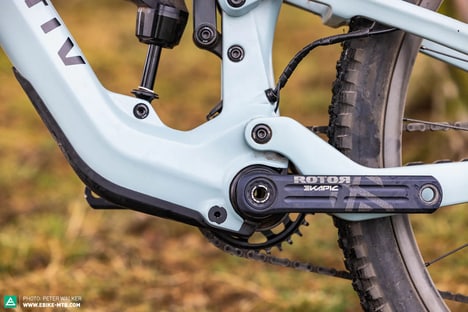
The article detailed specs and design choices, noting the Lightrider’s low 17 kg curb weight, compact maxon motor packaging and a 400 Wh battery that reportedly delivers comparable real-world range to larger systems. It also described the Jam² NEXT’s modular battery approach, which lets riders trade weight for extended capacity.
For consumers, this framing matters because most riders use Eco/Tour modes and benefit more from efficiency, lower weight and controlled power than sheer peak output. By prioritizing balanced packaging and modular range, these launches reflect a broader trend toward practical, everyday-oriented eMTB design.
Image Credit: Lars Engmann, ebike-mtb
What Makes This Trend Stand Out
- Lightweight Full-power Emtbs
- Ultra-light full-power frames and compact motor packaging enable comparable real-world range with smaller batteries, creating space for lighter, more maneuverable off-road e-bikes tailored to everyday riders.
- Modular Swappable Battery Systems
- Scalable battery modules that let riders trade weight for capacity point to a shift toward user-configurable range options and aftermarket ecosystems for interchangeable power packs.
- Efficiency-first Motor Tuning
- Motors and control software optimized for Eco/Tour usage rather than peak output highlight potential for drivetrains tuned to sustained efficiency and predictable power delivery for typical consumer riding profiles.
Sectors Adopting This
- Electric Mountain Bike Manufacturers
- Producers of eMTBs can reimagine product lines around balanced packaging and lower curb weights to attract mainstream riders who prioritize handling and everyday usability over raw power.
- Battery and Energy Storage Suppliers
- Suppliers focusing on high energy density, modular form factors, and rapid interchangeability are positioned to support new battery ecosystems that favor customizable capacity and lighter baseline builds.
- Motor and Packaging Component Suppliers
- Companies that design compact motors and integrated drive solutions may unlock demand for smaller, more efficient powertrains that preserve range while reducing mass and improving bike geometry.