Category
Lifestyle
Assisted Choices
Personalized avatars are now used for real-world functions.
Trend
Functional Avatar: Personalized avatars have long been used in gaming and social media, and now their use is extending to real-world functions, whether those relate to the purchase journey or functions like productivity. This shift comes as a result of the rapidly amalgamating digital and physical worlds, and caters to consumers' preferences for personalized and experiential shopping experiences.
Insight
For young consumers in particular, personalized digital avatars have become a new form of self-expression and communication. Digital avatars' emergence has typically been specific to conversational or entertainment-based formats, but their prevalence in many Millennial and Gen Z's communication styles has resulted in an opportunity for their use in other transactional experiences. The use of these personalized avatars in branded experiences results in a more interactive and enjoyable experience for those already accustomed to using them.
Trend themes
The use of personalized avatars in branded experiences results in a more interactive and enjoyable experience for consumers accustomed to using them.
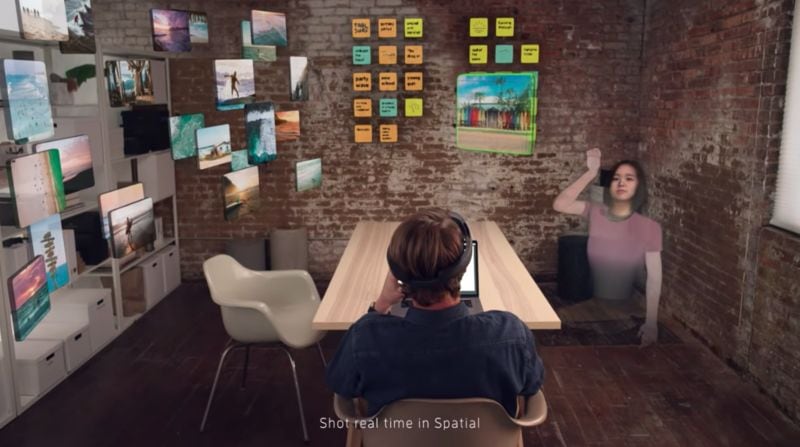
'Spatial', an augmented reality conferencing app, replicates face-to-face interaction and lets people collaborate seamlessly with each other.
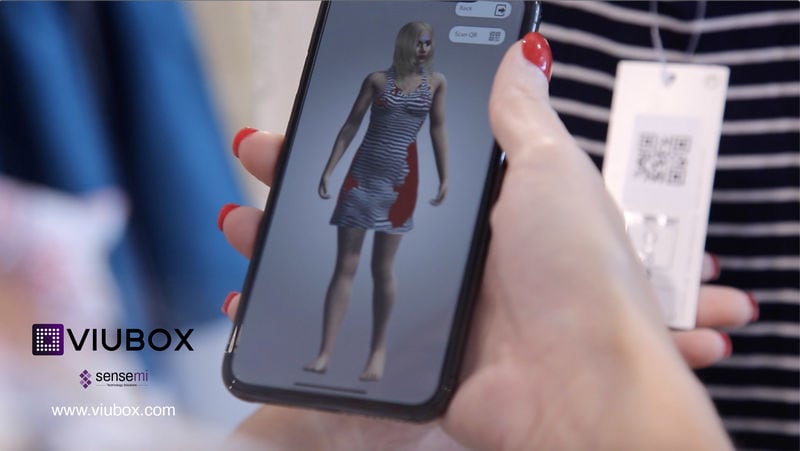
ViuBox's 3D avatars allow shoppers to try on clothes online and have the potential to eliminate the need for fitting rooms.
Industry implications
Companies in the e-commerce industry can leverage personalized avatars, digital fashion collections, and avatar-based try-on technology to enhance online shopping experiences
Fashion industries can use digital-only fashion capsules, 3D avatars, and personified brand avatars for personalized and engaging shopping experiences.
Businesses in the collaboration industry can use augmented reality collaboration apps to enhance remote work and bring people together seamlessly.
Workshop question
Trend signals
Trend score 4.9 out of 10, from popularity 82%, activity 56%, freshness 8%.
Evidence
Carlings' Digital Fashion Collection Boasts a Futuristic Outlook
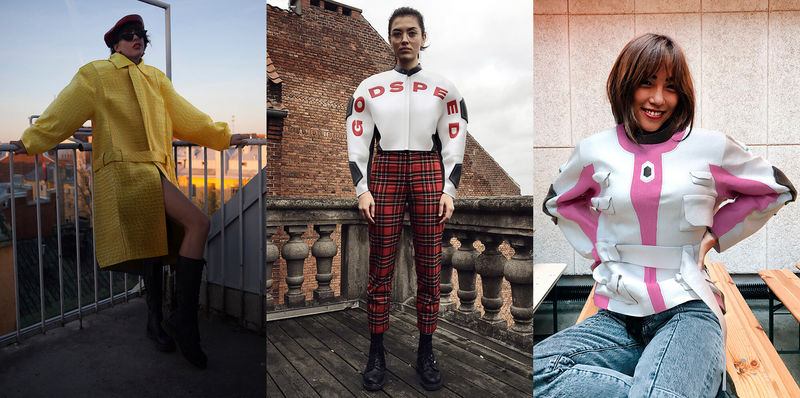
The fashion industry can explore ways to integrate technology and sustainability to meet evolving consumer needs, adapt to fast-changing trends and reduce environmental impacts.
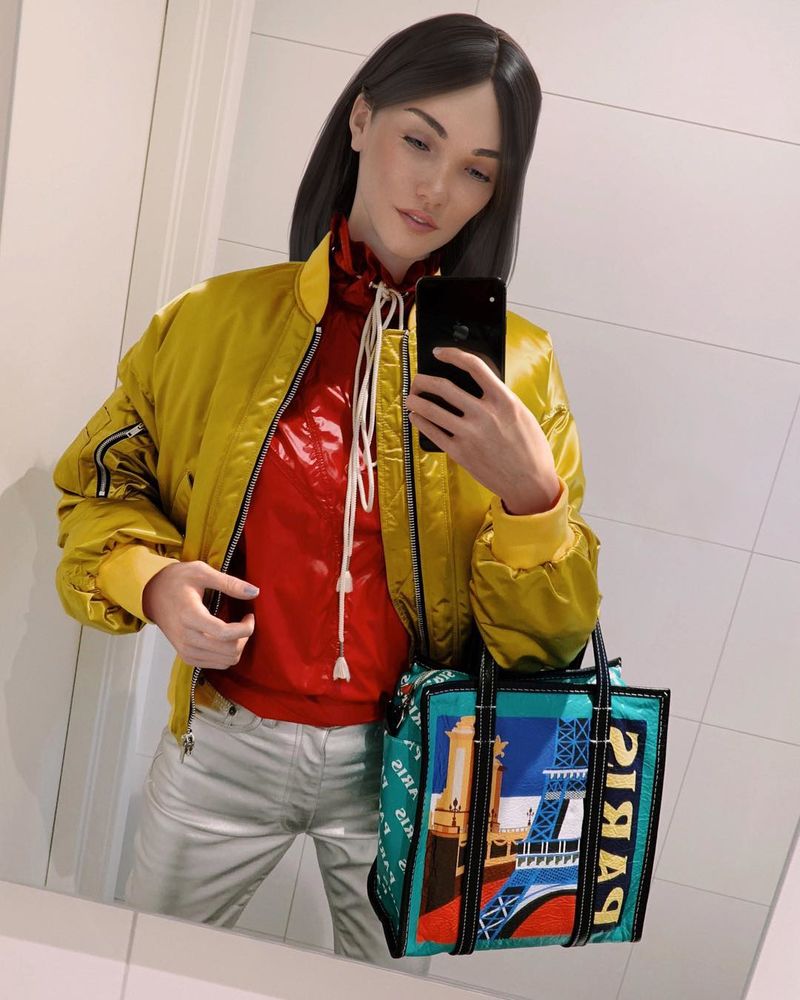
The 3D Virtual Fashion Avatar 'Daisy' Helps Consumers Connect with YOOX
The use of virtual avatars can revolutionize the online shopping experience and create more engagement and trust between customers and e-commerce platforms.
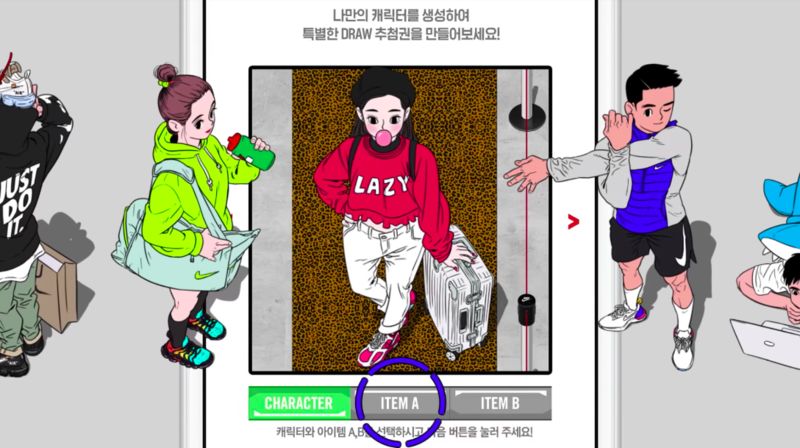
Nike Created a Virtual #AirMaxLine for Sneakerheads on Instagram
Retailers can adopt virtual queueing systems to transform traditional product release waits, increasing customer satisfaction and driving online engagement.
ViuBox Lets Shoppers Try Garments on Personalized 3D Models
Retail industry can use avatar-based try-on tech to attract and retain more customers by providing a hassle-free shopping experience.
'Spatial' Enhances the Conference Room Experience with Augmented Reality
Technology companies can capitalize on the growing demand for AR collaboration apps and spatial computing experiences.