
Category
Art & Design
Oven Aesthetics
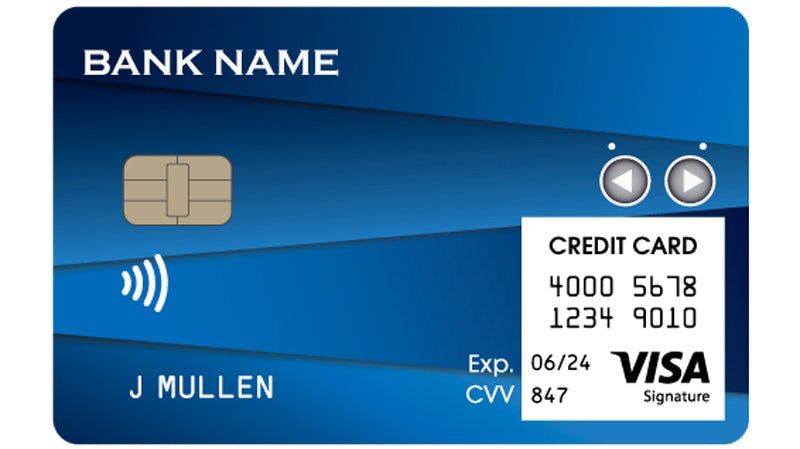
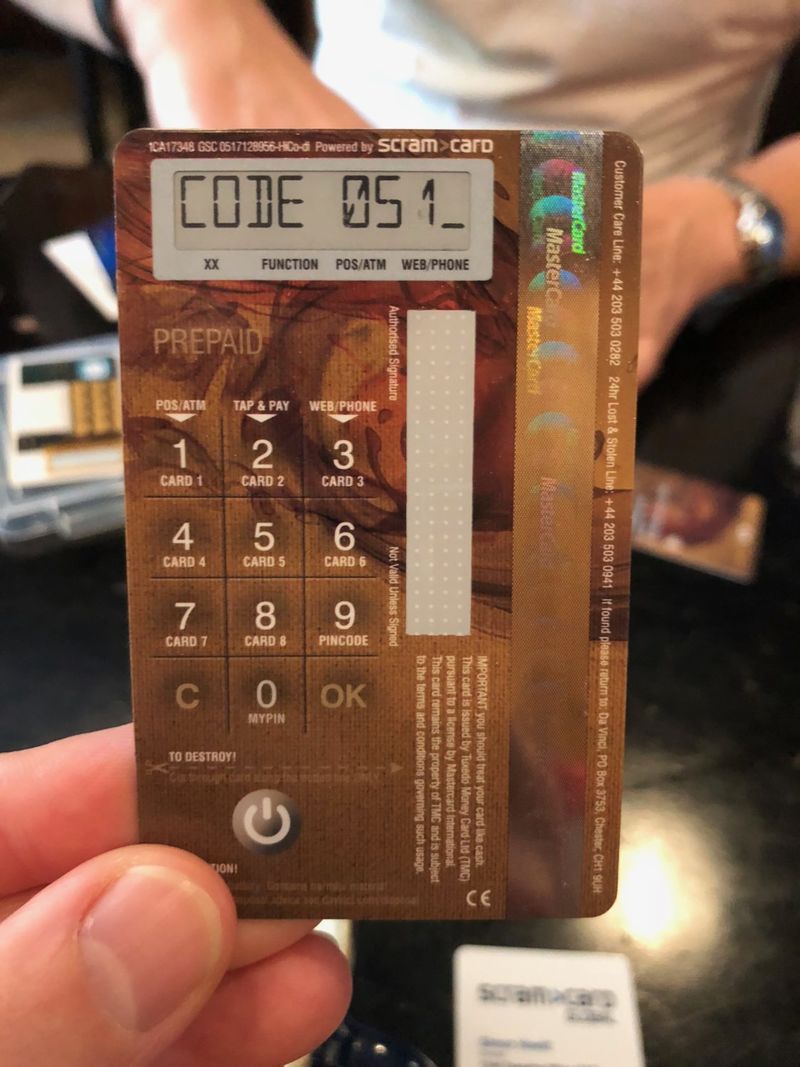
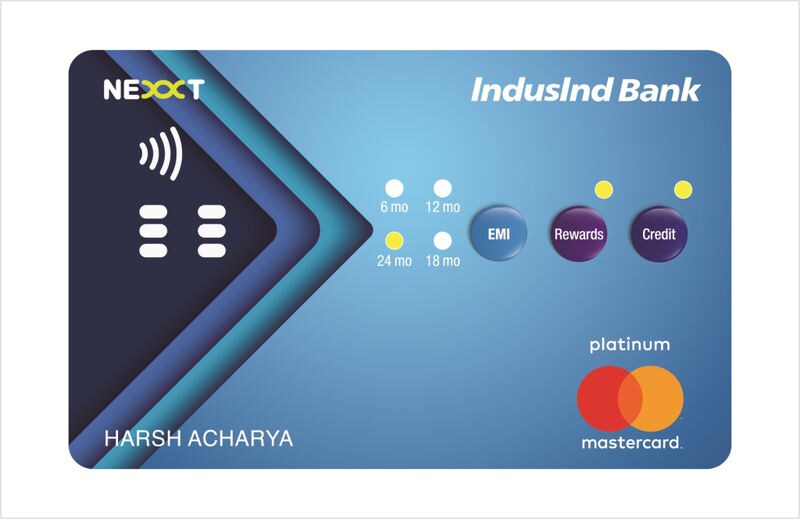
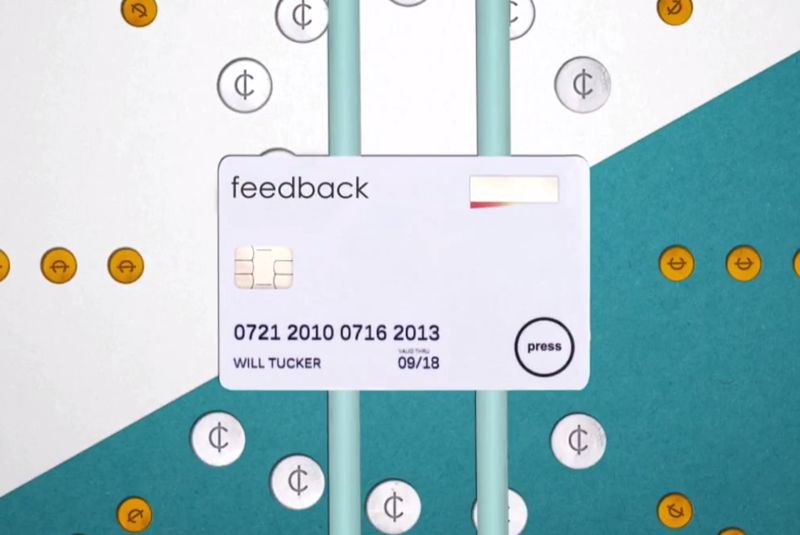
Credit and debit cards are designed with analog buttons.
Trend
Haptic Card: Banking institutions are giving consumers the ability to interact with dynamic credit and debit cards, differentiated by analog buttons. While the specific functions of these buttons can vary, the increased appearance of this feature suggests that in today's chaotic and contactless world, some still desire the gratification of haptic feedback.
Trend themes
Incorporating analog buttons on credit and debit cards for enhanced interaction with customers.
Development of physical cards for monitoring and managing financial resources in real time.
Development of compact and high-tech solution to consolidate multiple debit, credit, and loyalty cards.
Industry implications
Companies within the FinTech industry can take advantage of analog button integration to offer customized solutions for managing finances.
Payment processing companies can develop innovative solutions for real-time budgeting cards and dynamic wallet cards for a more secure and streamlined payment process
Banks can use real-time budgeting cards and dynamic wallet cards as a competitive offering and button-integrated bank cards to enhance customer interaction and provide flexible payment options.
Workshop question
Trend signals
Trend score 4.5 out of 10, from popularity 75%, activity 52%, freshness 8%.
Evidence
The Dynamics Card Combines All Your Plastic Money in One High-Tech Package
The credit card industry may need to evolve and integrate with new technologies in order to keep pace with the trend of high-tech consolidated cards.
'Da Vinci Choice' is a Card with a Built-In Keyboard and Screen
The innovative features of Da Vinci Choice have the potential to disrupt the banking industry by offering enhanced payment solutions.
IndusInd Bank's Nexxt Bank Card Design Provides Three Payment Options
The integration of interactive buttons in bank cards presents disruptive innovation opportunities in the banking industry, allowing for more personalized and convenient payment ex…
The Feedback Card Features a Button for Finance Monitoring
Financial institutions can partner with Feedback to offer innovative budgeting solutions to their customers.