Category
Lifestyle
Assisted Choices
Mocktails trade in sugary ingredients for healthy alternatives.
Trend
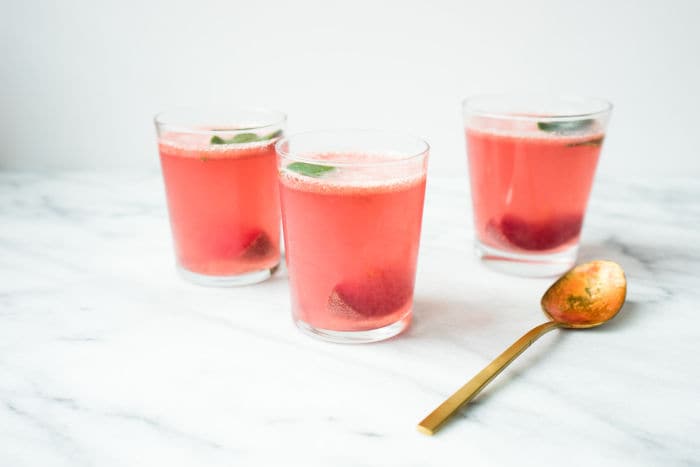
Fortified Mocktail: Typically associated with sweet, savory flavors, mocktails are moving away from sugary ingredients to convey a healthier perception. Integrating citrus flavors and natural ingredients like ginger, beverage brands are re-positioning non-alcoholic beverages as something that consumers will actively seek out rather than simply choose as a secondary option.
Trend themes
Beverage brands are re-positioning non-alcoholic beverages as something that consumers will actively seek out rather than simply choose as a secondary option by using citrus flavors and natural ingredients like ginger.
The rise in non-alcoholic drinks that are inspired by alcohol-based beverages is becoming extremely popular across the globe, since these kinds of drinks offer great taste with none of the nasty repercussions of a long night of drinking.
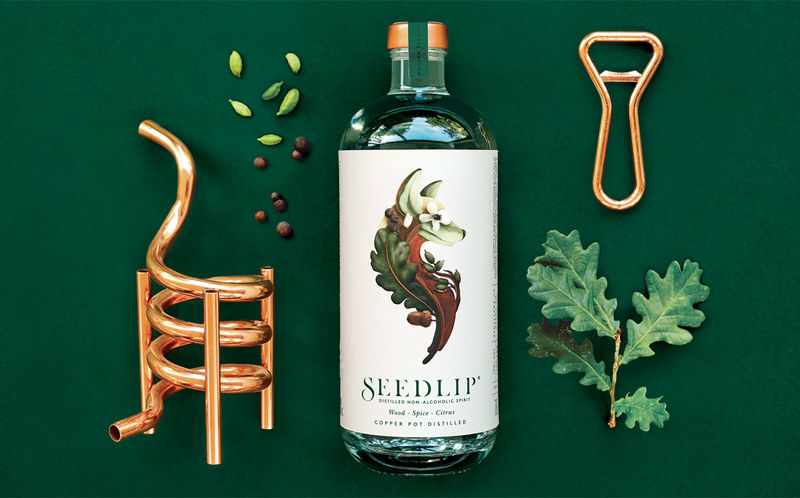
Seedlip's new product is an alcohol-free spirit made from distilled barks, spices and citrus peels, offering an alternative for those who are looking for a way to give their mocktails a more authentic taste.
Industry implications
There is an increase in demand for non-alcoholic beverages that retain the same taste and texture as normal alcoholic beverages, without the risk of a hangover.
Brands are rebranding packaging and creating fun new packaging systems for non-alcoholic beverages to make them more recognizable and stand out on shelves.
Ingredients like ginger or natural fruit flavors used in non-alcoholic beverages can be highlighted as an alternative to traditional soft drinks or water-based natural drinks.
Workshop question
Trend signals
Trend score 2.5 out of 10, from popularity 35%, activity 30%, freshness 8%.
Evidence
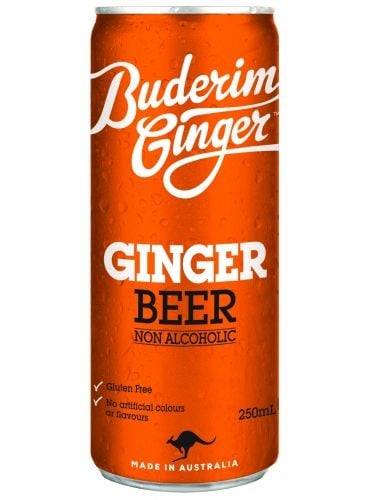
Buderim's Non-Alcoholic Beer is Powered by Carbonated Water and Ginger
Disruptive innovation opportunity: Incorporate the production of non-alcoholic beers into craft breweries to expand their product offerings and appeal to a wider customer base.
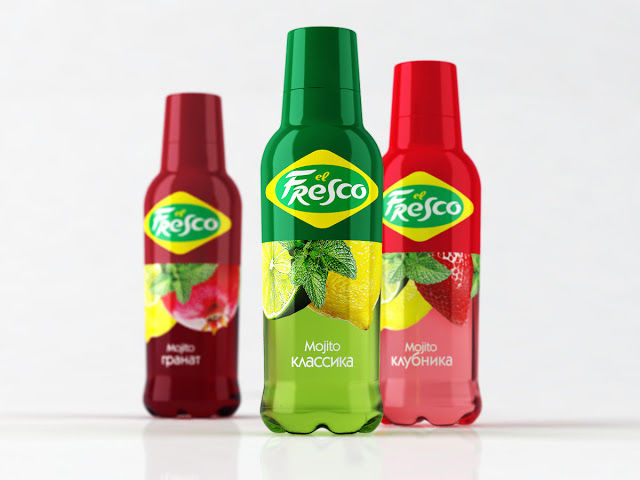
El Fresco's Mojito Soda Beverage Bottles Take Inspiration from Mixology
The beverage packaging industry can capitalize on the trend of unique packaging designs for cocktail-inspired drinks, offering innovative and eye-catching solutions that enhance b…
This Brand Has Created the World's First Alcohol-Free Spirit
The beverage industry presents a disruptive innovation opportunity for companies to expand their portfolio and develop new, natural, alcohol-free spirits targeted at health-consci…
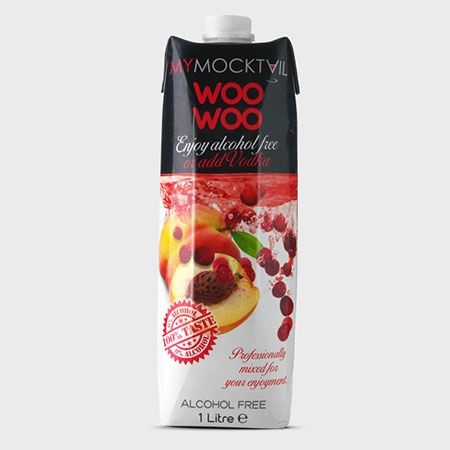
My Mocktail's Non-Alcoholic Beverages Come in Ready-to-Drink Packs
Beverage companies can leverage the trend toward non-alcoholic and low-alcohol beverages to meet changing consumer preferences.
This Delicious Spritzer Recipe Contains Plums, Ginger and Kafir Lime
Disruptive innovation opportunity: Develop innovative new beverage products and flavors to meet the evolving demands and preferences of consumers seeking unique and refreshing dri…