Category
Lifestyle
Performance Powders
Products that renounce unhealthful ingredients lure health-minded consumers.

Trend
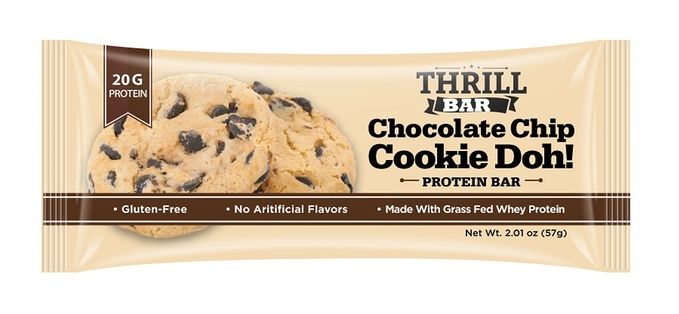
Exclusionary Branding: With the increase in consumers restricting certain ingredients from their diet including gluten and GMOs, brands are taking a reverse approach to product marketing by promoting what isn't in a product to be as transparent and applicable as possible. Speaking to a customer base that would have traditionally made food by hand, the products enhance an otherwise niche market by changing what the shopping experience entails; instead of avoiding prepackaged options, appropriate choices are quickly identified. This creates a clearer divide between brands that are applicable to healthy living versus those that don't meet stringent criteria of restrictive consumers.
Trend themes
Brands are using transparency to market what isn't in their products, appealing to health-conscious consumers.
The market for gluten and allergen-free snacks is growing, providing a range of healthier options.
More consumers are seeking all-natural products made without artificial colors, flavors or preservatives.
Industry implications
The food and beverage industry is changing rapidly in response to health-conscious consumers seeking healthier options.
Retailers are responding to consumer demand for all-natural products by offering healthier options in-store and online.
The health and wellness industry is incorporating more natural and allergen-free products in response to growing consumer demand.
Trend signals
Trend score 3.7 out of 10, from popularity 58%, activity 46%, freshness 8%.
Evidence
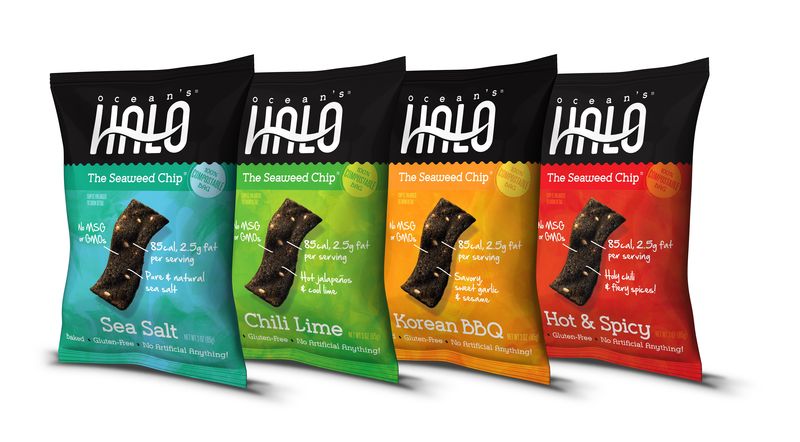
These Seaweed Chips Swim Against the Tide of Traditional Snacks
Opportunity for companies to develop new snack products using healthier and sustainable ingredients, targeted towards consumers seeking nutritious and environmentally-friendly sna…
BFree Foods' New Pitta Breads are Made for Those with Food Allergies
The food and beverage industry can tap into the demand for gluten-free and allergen-free products by developing new recipes and expanding product lines.
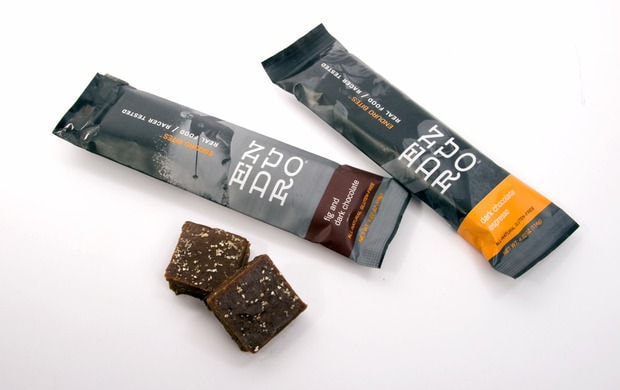
Enduro Bites is an All-Natural Energy Food for Health Nuts
The food and beverage industry has the opportunity to create innovative products to meet the growing demand for gluten-free and health-conscious snacking options.
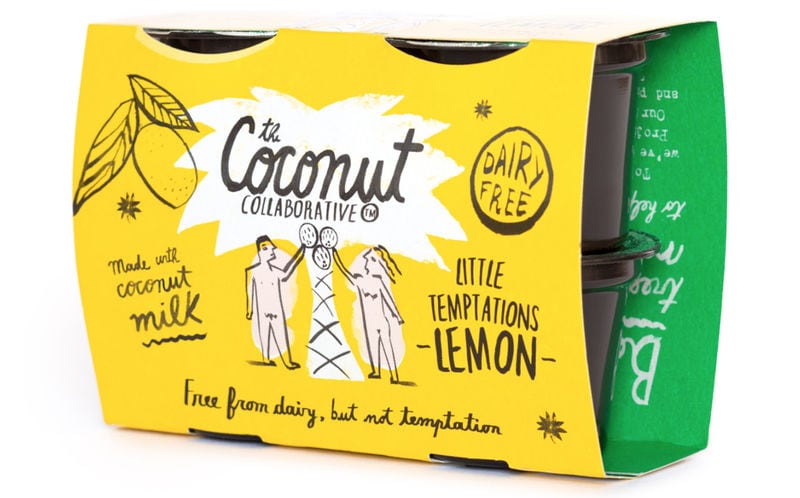
The Coconut Collaborative Little Temptations are Tasty and Healthy
Disruptive innovation opportunity: Develop innovative plant-based dessert options using ingredients like coconut milk, almond milk, or cashew cream to provide dairy-free and vegan…
These Organic Protein Bars Are a Healthy Alternative to Meals
The food and beverage industry can benefit from incorporating organic protein bars as a healthier snack alternative.
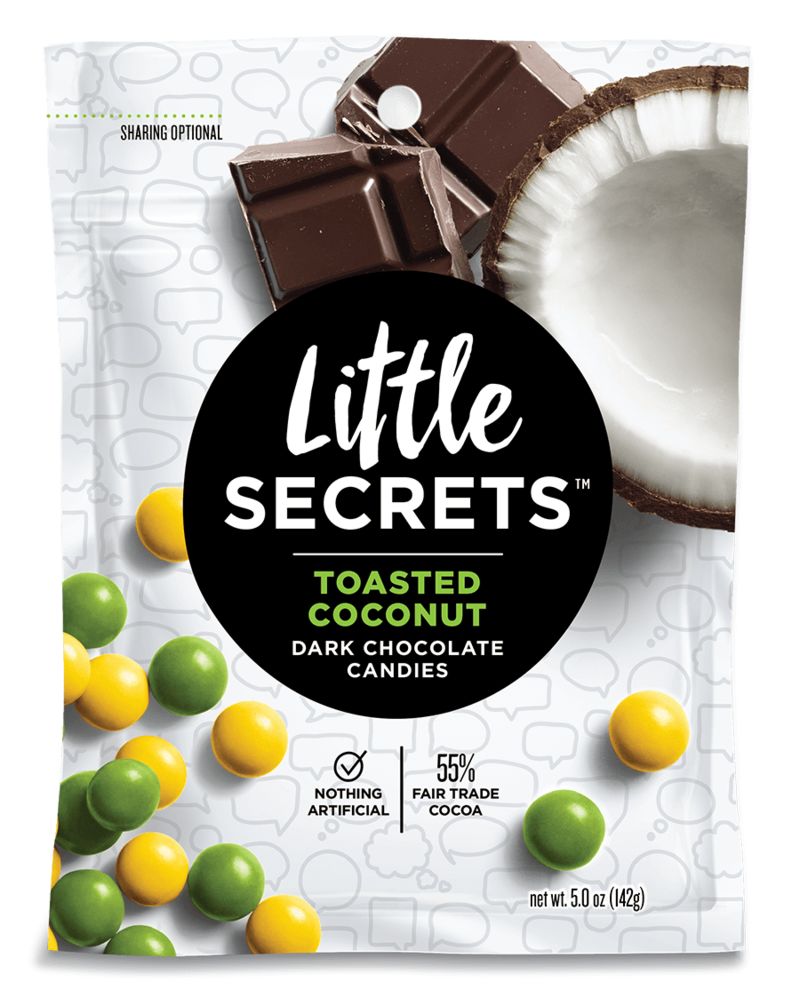
These Candy-Coated Chocolates are Made from All-Natural Ingredients
The confectionery industry can capitalize on the trend of clean ingredient foods by offering candy-coated chocolates made with all-natural ingredients.