



Category
Lifestyle
Assisted Choices
Amidst economic uncertainty, consumers revisit an age-old method to obtain goods.


Trend
Bartering 2.0: Returning to old customs to obtain goods or services in a fiercely competitive market, bartering is seeing an increase across the spectrum of consumers looking for a deal to those seeking to offer services for life essentials. Using social media and smartphone apps to connect, the updated concept of bartering is introducing the act to younger generations and augmenting the traditionally cut-and-dry economy to be more community and consumer focused.
Trend themes
Using apps and social media, businesses can create platforms for bartering and sharing, enhancing traditional commerce models.
Allowing users to pay for products or services with unique talents or videos creates a barrier-free payment method that rewards creativity.
Innovative energy-saving and waste-reducing technologies create opportunities to encourage more environmentally-friendly behaviors and consumer choices.
Industry implications
Developing bartering apps and platforms that connect individuals looking to trade goods and services will increase sales and brand loyalty.
Creating loyalty programs that reward unique customer actions, such as promoting content and posting videos, will encourage customer engagement and reduce churn.
Investing in technologies that promote sustainable practices, such as using food waste as energy sources, will reduce costs and create positive brand associations.
Trend signals
Trend score 4.6 out of 10, from popularity 77%, activity 53%, freshness 8%.
Evidence
The Merit Shop Trades Its Items in Exchange for Videos of Unique Talents
Disruptive innovation opportunity: Introducing novel payment systems that leverage user talents to purchase goods online.
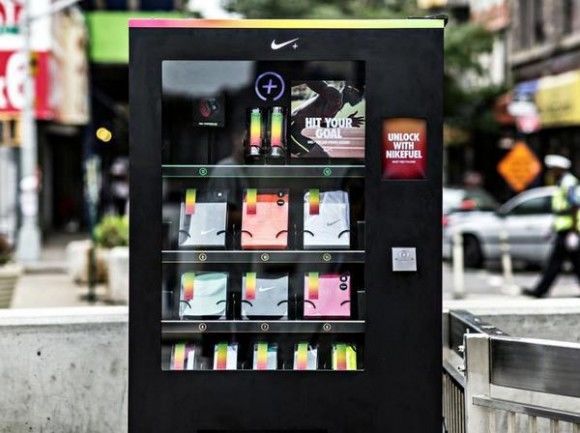
The Nike FuelBox Dispenses Gear in Exchange for Nike FuelBand Points
Fitness companies can use bartering dispensers to incentivize customers to buy gym membership or subscribe to fitness related supplies.
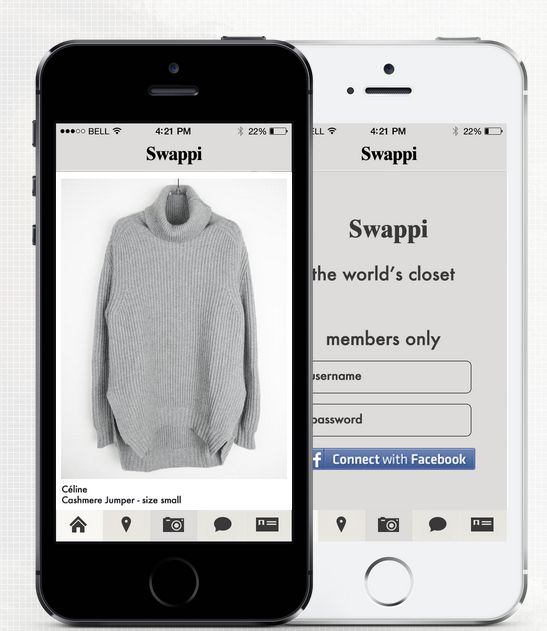
Swappi Helps Users Trade Clothes Via an App
The fashion and apparel industry can leverage fashion bartering apps to engage customers in sustainable practices and enhance brand loyalty.
The Methane Cafe is an Eco Cafe in Japan That Trades Trash for Tea
The food and beverage industry can embrace the trend of sustainable cafes by implementing energy-saving practices and repurposing food waste to create a more eco-friendly business.
Mealku Works to Let People Barter with Home-Cooked Meals
Opportunity for companies to create online platforms that connect home cooks and consumers, allowing for the exchange of home-cooked meals.

Mailbooks for Good Encourages People to Share Their Old Books
Disruptive Innovation Opportunity: Partnering with organizations like Mailbooks for Good to offer in-store book donation programs, enhancing community engagement and social impact…
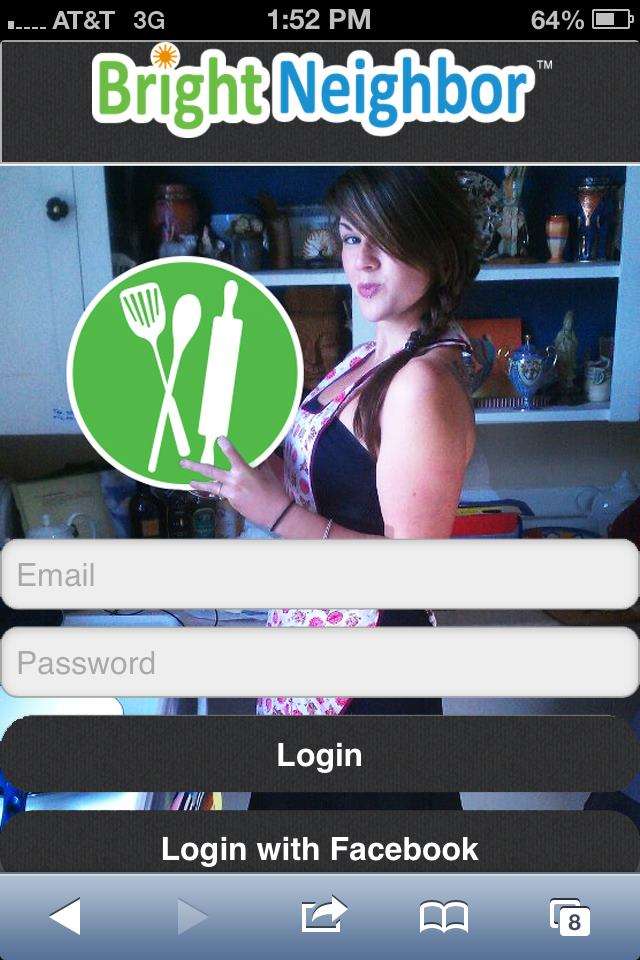
Bright Neighbor is the First Sharing Economy Mobile Platform
There is an opportunity for mobile app developers to create similar apps for other cities, as well as offer improvements and expanded functionality to existing apps like Bright Ne…






