
Category
Lifestyle
Baseline Support
Satiric celeb attire reflects consumer demand for relatable celebrities.

What's Happening
Mocking Celebriculture: As exposure to media and celebrity culture increases, some consumers grow tired of the frivolous obsession. In an attempt to seem more intellectual than most, this particular group of anti-celebrity consumers is seeking ways to do away celebuculture. This backlash represents a move toward more meaningful interests as consumers dive deeper into self-improvement.
Evidence
The Urban Cricket Graphic Apparel Beanies Feature Famous Personas
The fashion and apparel industry can explore disruptive innovation by incorporating pop culture references into clothing and accessories, as demonstrated by Urban Cricket's graphi…
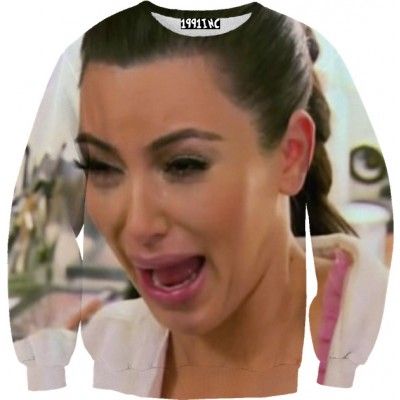
Make a Funny Fashion Statment by Wearing a Shirt of Kim Kardashian Crying
Fashion designers can create unique and edgy clothing lines featuring irreverent or parody-based themes.
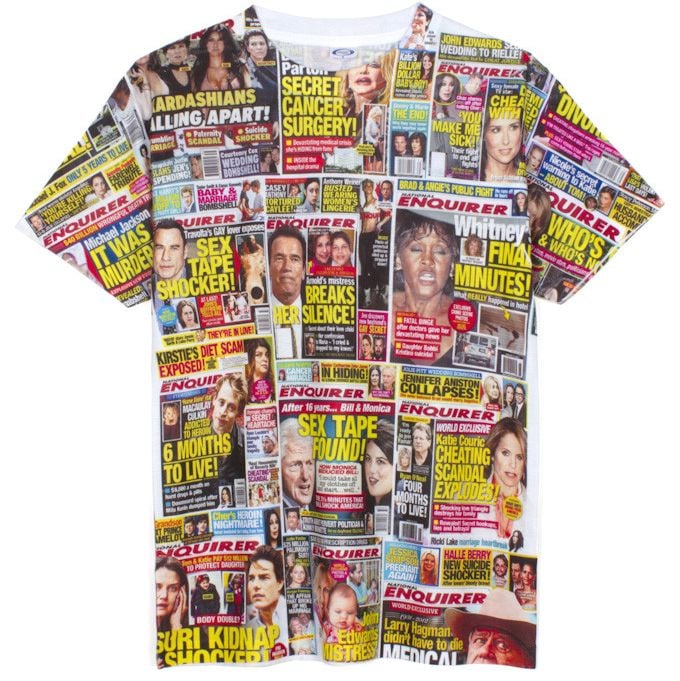
This Magazine Shirt From 'Nineteenth Letter Chicago' is Gossip-Ridden
Fashion retailers can leverage the trend of magazine shirts by offering a variety of gossip-themed clothing items to cater to the demand of customers looking for edgy and provocat…
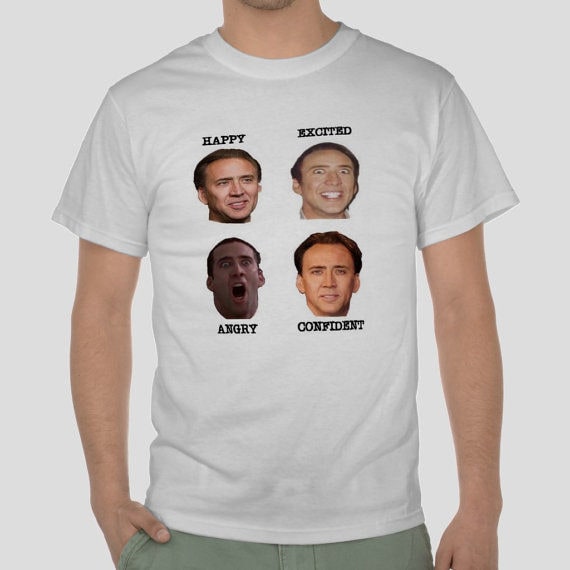
The Nicolas Cage Shirt Shows Off the Celebrity's Many Facial Expressions
Disruptive innovation opportunity: Incorporate customization and personalization into the retail experience by allowing customers to create their own unique graphic t-shirts featu…
Trend signals
Trend score 3.1 out of 10, from popularity 43%, activity 41%, freshness 8%.
Trend themes
As exposure to media and celebrity culture increases, anti-celebrity consumers seek ways to do away celebuculture, leading to opportunities for more meaningful interests.
Pop culture referenced apparel, particularly clothing depicting famous persons in humorous and memorable images is gaining popularity, creating potential partnership avenues for clothing companies and celebrities.
Satiric celeb attire is gaining popularity among consumers who are looking for relatable celebrities, leading to opportunities for clothing companies to create partnerships with comedians and satirists.
Industry implications
Fashion companies have an opportunity to partner with celebrities and comedians to create satirical or pop culture referenced clothes, reflecting consumers' desire for relatable and meaningful interests.
Celebrities can partner with clothing companies to create clothing lines that reflect their personalities and humor, leading to increased exposure and revenue streams.
Media companies can capitalize on the popularity of anti-celebrity culture by creating more meaningful content that resonates with consumers' desires for deeper self-improvement.