



Category
Lifestyle
Assisted Choices
Brands take more active roles in combating the loneliness epidemic.


Trend
Anti-Loneliness: With self-reported "loneliness" on the rise in wealthy countries around the world, brands are looking to combat this epidemic through everything from studying social eating habits to co-living design concepts. This involvement allows these companies to hone in on niche but widespread consumer interests, as well as provide the desired companionship.
Insight
Social media platforms allow efficient and on-demand communication, however, the absence of face-to-face interaction has steadily increased feelings of alienation among consumers. The growing loneliness epidemic is even reported to create physical health issues, on top of the mental stressors people who feel socially isolated have to deal with. As achieving happiness and healthy companionship are inherently human interests, consumers in the tech age struggle to battle these feelings of alienation through technology and the facilitation of face-to-face interactions.
Trend themes
Brands are taking a more active role in combating loneliness by studying social eating habits and designing co-living concepts.
New services are emerging to connect senior citizens with companions who can help with tasks, technology, and transportation.
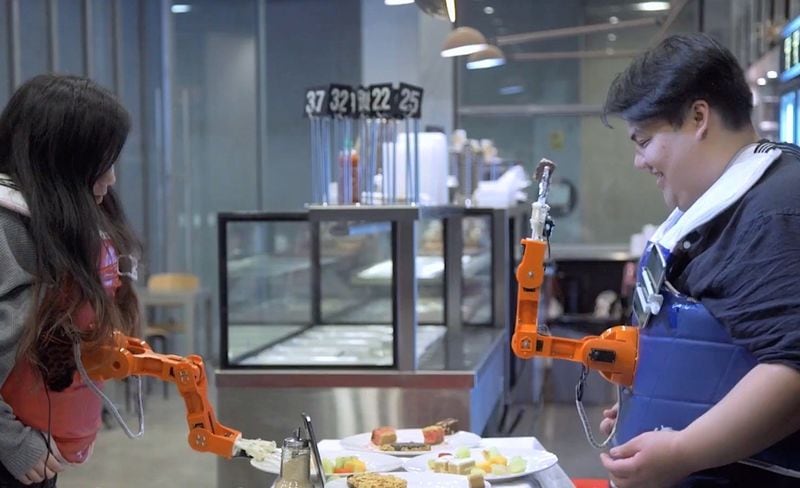
Research is being done on the social experience of eating, using robotics such as the 'Arm-A-Dine' to understand the loneliness epidemic.
Industry implications
Innovations in robotics, apps, and social media continue to shape how we address issues of loneliness.
Co-living concepts provide a unique solution to the affordable housing crisis and social isolation among urban residents.
As loneliness causes physical as well as mental health issues, there is a growing need for healthcare providers to address social isolation alongside traditional medical treatment.
Workshop question
Trend signals
Trend score 4.7 out of 10, from popularity 74%, activity 57%, freshness 8%.
Evidence
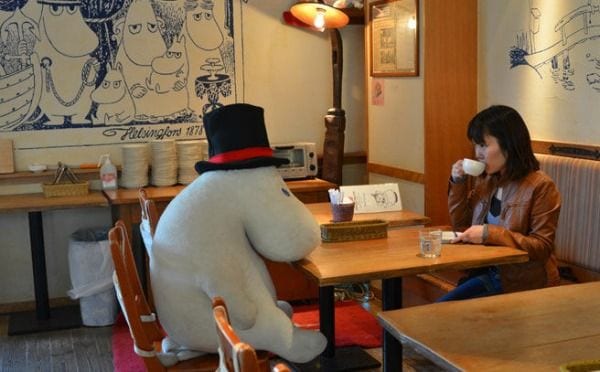
Stuffed Animals in 'Moomin Cafe' Never Let You Dine Alone
Offering objects for companionship, like stuffed animals, in restaurants could disrupt the hospitality industry and provide a unique offering for patrons looking to dine alone.
One Shared House 2030 Aims to Find Solutions to the Housing Crisis
Disruptive innovation opportunity: Transforming the real estate industry by reimagining housing models and creating more inclusive and affordable living options.
'Papa' Connects Senior Citizens to "Grandkids on Demand"
The on-demand companionship trend presents opportunities for home care service providers to expand their offerings and cater to the emotional needs of senior citizens.
The 'Arm-A-Dine' is Being Used to Investigate Social Eating
The 'Arm-A-Dine' could be applied in the hospitality industry to enhance dining experiences and create a unique social atmosphere.






