



Category
Lifestyle
Assisted Choices
Banking processes are made more secure through emerging biometric systems.

Trend
Biometric Banking 2.0: Addressing consumer concerns around security and a need for convenience, financial institutions are rolling out and experimenting with emerging biometric security measures. This more advanced approach to protection speaks to the way in which biometric technology will likely play a growing role in the future of security.
Insight
As technology advances, consumers are becoming more aware of the dangers associated with information breaches and the overall need for privacy. Today's consumer already shares so much digitally, and they are coming to realize the importance of sharing only the information they need to share, creating a new precedent of privacy in general.
Trend themes
As technology advances, consumers are becoming more aware of the dangers associated with information breaches and the overall need for privacy.
As a growing number of retailers are opting to go completely cashless, it is becoming more feasible for consumers to leave their wallets at home and instead favor biometric and mobile payment systems.
Biometric identification methods are being increasingly incorporated by banks, and advancements are being made to create more accurate and cost-effective options.
Industry implications
Biometric security measures are being implemented in banking and finance to increase security and convenience for customers.
With the increasing popularity of cashless transactions, retailers and payment companies are leveraging biometric payment methods to offer a seamless and secure shopping experience.
Advanced biometric identification methods such as palm vein recognition are being implemented in government and healthcare sectors for increased security and fraud prevention measures.
Workshop question
Trend signals
Trend score 3.2 out of 10, from popularity 58%, activity 29%, freshness 8%.
Evidence
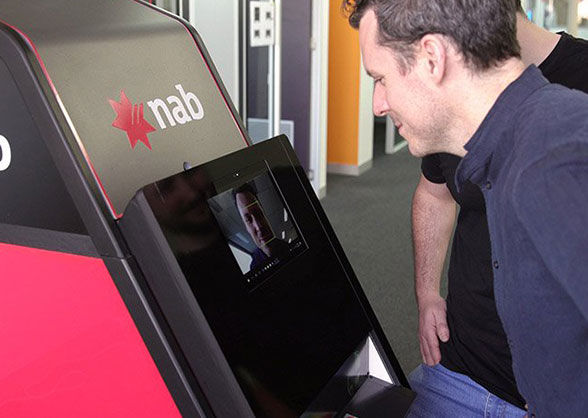
NAB's Banking Machine Removes the Need for a Physical Bank Card
The banking industry can leverage facial recognition ATMs to improve customer experience, enhance security, and reduce reliance on physical bank cards.
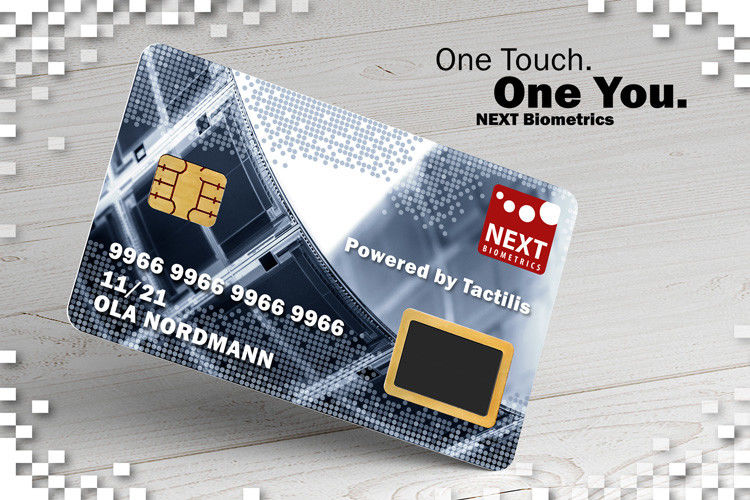
NEXT Biometrics and Infineon Introduce New Biometric Payment Cards
The development of biometric payment cards offers an opportunity for companies within the payment industry to offer a unique and secure payment method.
The VibWrite System Uses Biometric Authentication Technology
VibWrite's finger vibration authentication technology has the potential to disrupt the traditional biometric security industry.
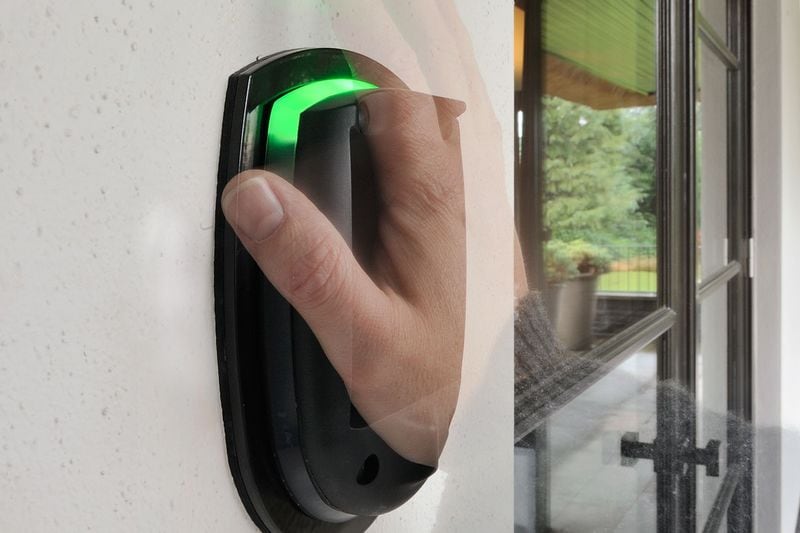
The Palm-ID Card Solution Offers Increased Biometric Security
Opportunity to develop access control and security solutions that incorporate vein-pattern-based identification.
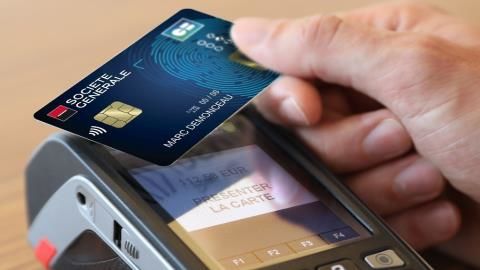
Societe Generale Implements Idemia's Platform for Security
The banking industry can harness the potential of fingerprint-activated contactless cards to improve payment security and provide seamless transactions for their customers.






