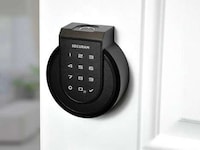
Fingerprints are often used as a form of biometric security, but this academic institution is developing authentication technology that uses finger vibrations as a new low-cost alternative. Researchers from Rutger University are working on a system called VibWrite, which uses the individual's finger bone vibrations to grant access.
Biometric methods are often considered the most secure, but the high cost of equipment is often a drawback. Proved 95% accurate, the VibWrite uses an affordable vibration motor and sensor that can be installed "almost anywhere." The theft-resistant authentication technology allows users to choose between a gesture, number or pattern. The team is focusing on making the hardware more weather-resistant and improving authentication algorithms.
Biometric identification methods are being increasingly incorporated by banks. The VibWrite could provide personal banking with an inexpensive option.
Key Themes Behind This Trend
- Finger Vibration Authentication
- VibWrite's low-cost finger vibration authentication technology has the potential to disrupt traditional biometric authentication methods.
- Weather-resistant Hardware
- The VibWrite team is developing weather-resistant hardware to ensure the technology can be used in a variety of environments.
- Gesture, Number or Pattern Identification
- The VibWrite system's ability to allow users to choose between gesture, number or pattern identification could lead to wider adoption in various industries.
Where This Applies
- Security Industry
- VibWrite's finger vibration authentication technology has the potential to disrupt the traditional biometric security industry.
- Financial Industry
- The VibWrite could be implemented by the financial industry as a low-cost biometric authentication option for personal banking.
- Access Control Industry
- The VibWrite's low-cost hardware and theft-resistant authentication technology could disrupt the access control industry.