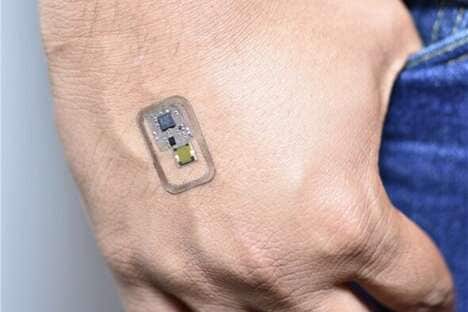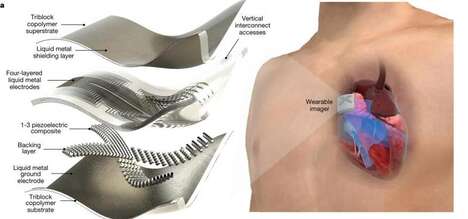
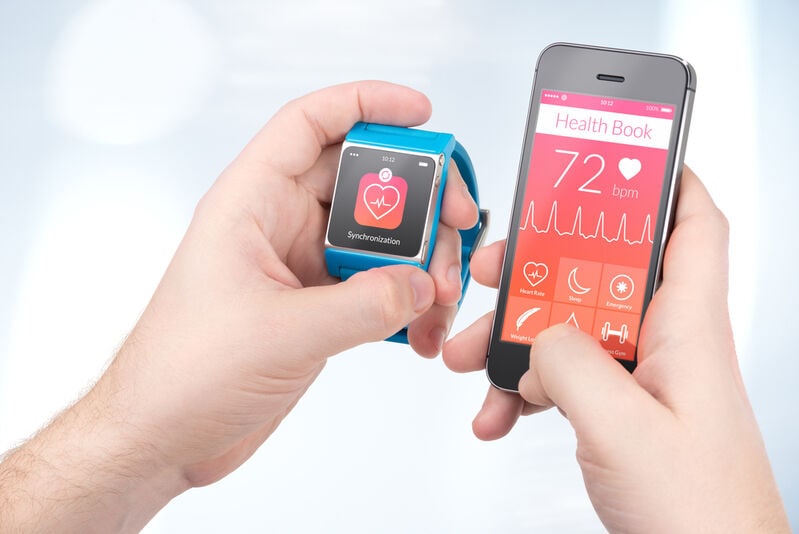
The University of California, Irvine (UCI) has developed a new health wearable that is completely battery-free and can monitor patients' vital signs in real-time.
As of right now, the university has only launched a prototype of the new device but based on early trials, it appears the technology is a viable option for gathering key biometric data such as body temperature and blood pressure. Of course, what differentiates this device from mainstream wearables is that it does not require a battery or external power source to operate. Instead, the device can be powered in two main ways: through a connected device or, more interestingly, via finger tapping.
“Imagine you’re out working in a remote location — anywhere, the desert on a mission, in the mountains hiking, or even a space station, for example — and you need to keep track of your health information on demand, or there’s an incident, and you need to monitor someone’s vital signs urgently and accurately…This self-powered and wireless device allows you to do that," said UCI researcher Rahim Esfandyar-Pour
Image Credit: Shutterstock
What's Driving This Trend
- Battery-free Wearable Monitors
- Opportunities for developing new battery-free wearable health monitors that can track vital signs and biometric data in real-time and that have remote access capabilities.
- Kinetic-powered Health Trackers
- Opportunities for developing health trackers and wearables that can be powered by kinetic energy, such as finger tapping, eliminating the need for batteries and allowing for greater portability and mobility.
- Real-time Biometric Data Collection
- Opportunities for developing wearable devices that can monitor and gather real-time biometric data, even in remote locations and challenging environments, and that can transmit this data wirelessly for remote access and analysis.
Who This Affects Most
- Wearable Technology
- Opportunities for developing and innovating new wearable technologies and devices that can collect and transmit vital sign and biometric data with greater accuracy, convenience, and portability.
- Healthcare
- Opportunities for integrating battery-free health wearables into healthcare systems, especially for remote health monitoring and patient care, and for developing new medical applications and analytics based on real-time biometric data.
- Military and Defense
- Opportunities for developing battery-free wearable health monitors for military and defense applications, such as monitoring the health of soldiers in challenging environments, and for providing real-time biometric data for tactical decision-making.