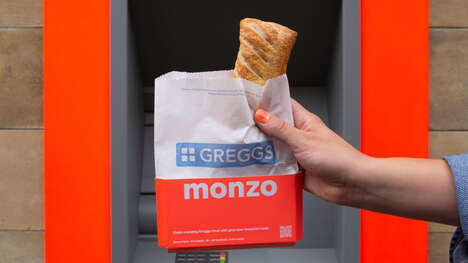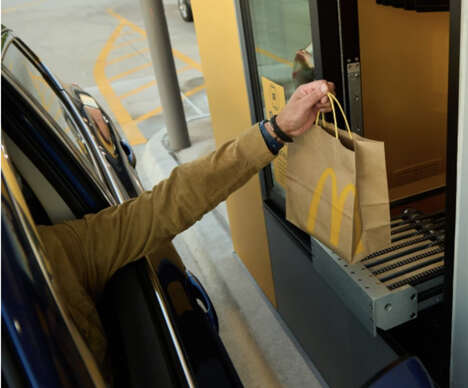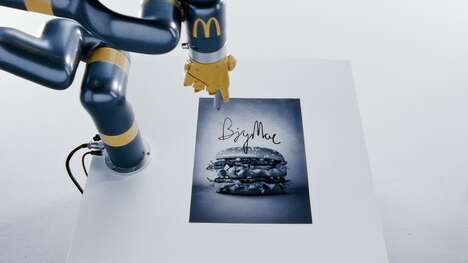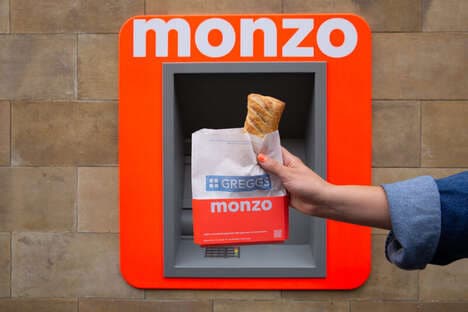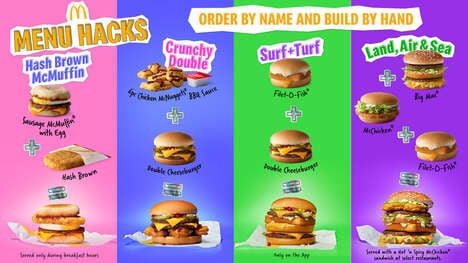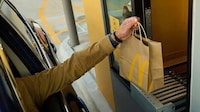
In Boston, McDonald's is testing out a new technology called the 'Big Mac ATM,' which has the potential to change the way customers around the world order a McDonald's burger.
At the touchscreen kiosks, McDonald's customers will be able to purchase a Big Mac, which is cooked on-site and loaded into the heated machine. While McDonald's implemented a similar touchscreen system in 2015, these systems required diners to pick up their orders in person. These new Big Mac ATMs completely eliminate the need to wait in a long line or interact with staff at a fast food restaurant.
This new way to order at McDonald's is in line with a number of other ideas on the automation of food service, including robot-run restaurants, smart menus that make meal recommendations and other low-tech self-serve stations.
What's Driving This Trend
- Automated Food Service
- The 'Big Mac ATM' is a prime example of the automation of food service, with potential for further advancements in this area.
- Self-service Technology
- The touchscreen kiosks and Big Mac ATMs demonstrate the growing trend of self-service technology in the fast food industry.
- Disruptive Innovation in Fast Food
- The 'Big Mac ATM' introduces a disruptive innovation in the fast food industry by completely eliminating the need for customers to wait in line or interact with staff.
Who This Affects Most
- Fast Food
- The fast food industry has the opportunity to incorporate more automation and self-service technology, creating a more convenient and efficient customer experience.
- Restaurant Technology
- The implementation of touchscreen kiosks and food-dispensing ATMs signals a growing industry for restaurant technology, allowing for increased efficiency and reduced labor costs.
- Robotics in Food Service
- The concept of robot-run restaurants, coupled with the introduction of the 'Big Mac ATM,' highlights the potential for disruptive innovation in robotics within the food service industry.