



Category
Lifestyle
Assisted Choices
Consumers adopt allergen-detecting devices to ensure healthy air.

Trend
Irritant Identification: As consumer expectations ramp up in the face of fast-accelerating technology, many are embracing handheld devices that test the atmosphere and food for health-compromising allergens and enable the collection of related data. This progression highlights the active role taken by the modern consumer in managing their own health risks and the role of technology in enabling the consumers to take such control.
Trend themes
As consumers take an ever more active role in managing their health risks, they adopt new technologies like allergen-detecting devices to ensure healthy air and food.
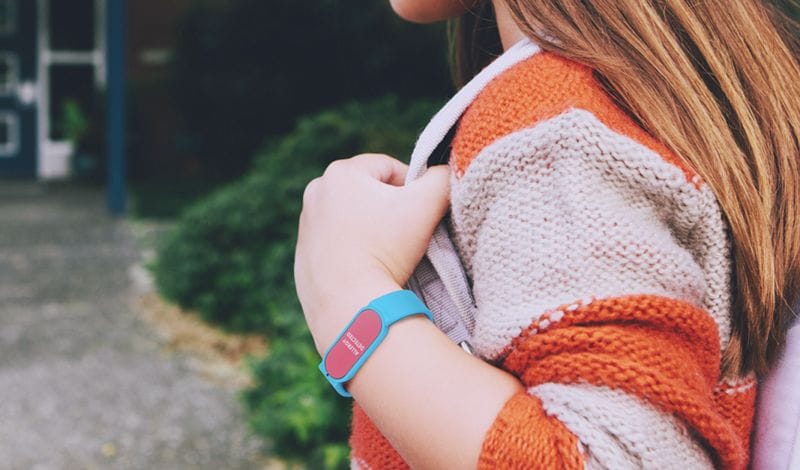
Wearable anti-allergy devices, such as medical information bands or allergic reaction trackers, use data to offer personalized, targeted treatment for allergies and health conditions.
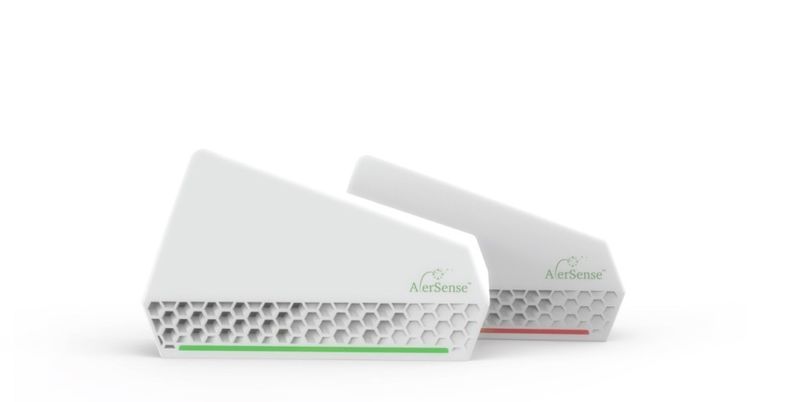
The internet of things (IoT) and big data combine to create smart allergen sensors, such as AlerSense, which provides asthma and allergy alerts for early prevention and treatment.
Industry implications
The healthcare industry can leverage new allergen detection and wearable devices, as well as IoT and data analytics, for better prevention and treatment of allergies and related diseases.
Consumer electronics manufacturers can take advantage of the growing demand for portable allergen-detecting devices, such as the Nima Sensor or the Allergy Reliever, that integrate with personal gadgets and IoT platforms.
Restaurants, hotels, and other food service providers can use allergen-detecting devices and IoT sensors, such as the Nima Sensor and AlerSense, to improve food safety, customer satisfaction, and brand reputation.
Workshop question
Trend signals
Trend score 3.2 out of 10, from popularity 53%, activity 35%, freshness 8%.
Evidence
'Aibi' is a Wearable Device That Helps Children Monitor Their Allergies
The development of allergy tracking wearables like Aibi presents opportunities for innovation in the wearable technology industry.
AlerSense's Device Provides Asthma and Allergy Alerts
Incorporating smart allergen sensors in healthcare can lead to more proactive treatment plans.
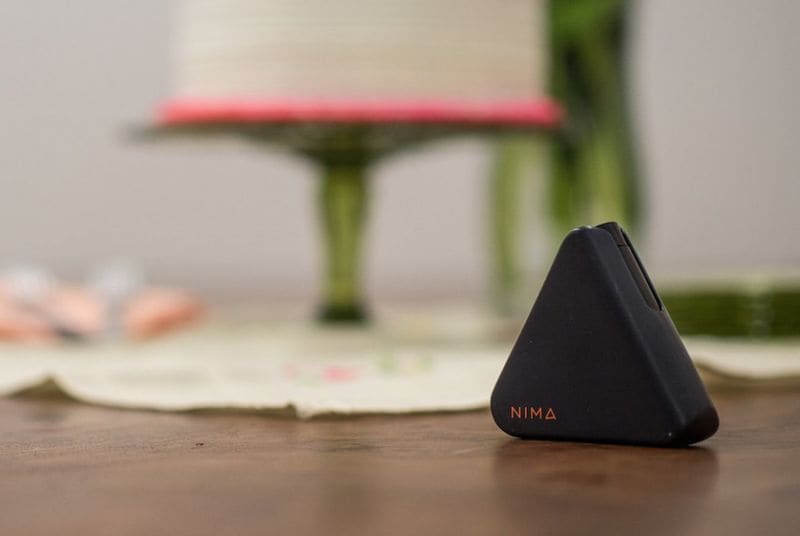
The Nima Sensor Can Sense if Meal Includes Foods You Can't Eat
The food and beverage industry can benefit from investing in the development of food-testing gadgets like the Nima Sensor to meet the growing demand for allergen detection and cat…
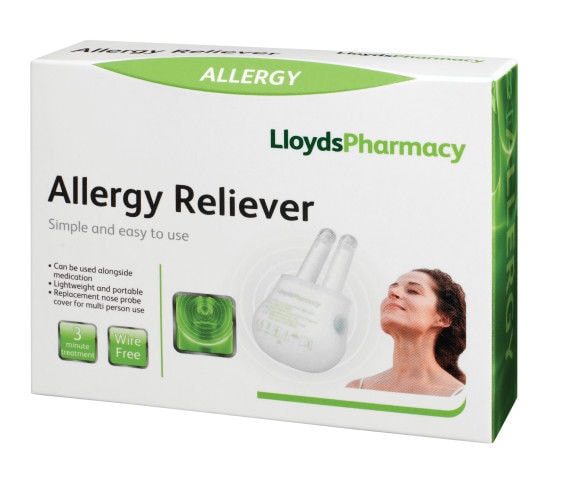
This 'Allergy Reliever' Uses Light Therapy to Reduce Symptoms
The healthcare industry can explore the potential of integrating light therapy into allergy treatment options, providing more options for patients.
This Safety Wristband Stores Medical Records In Case of Emergencies
Wearable technology companies should prioritize innovation in integrating smart record-keeping functionality into wristband devices.






