



Category
Tech
Delegated Interfaces
Skin-related diseases are becoming easier to detect at home.
Trend
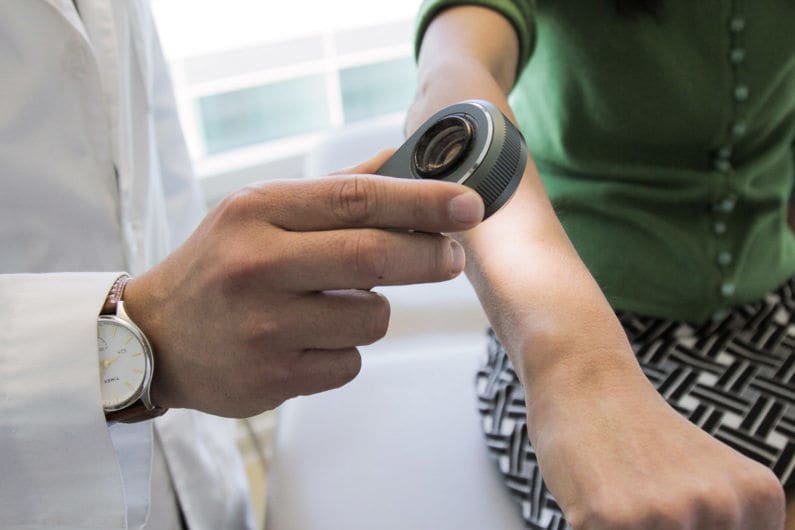
Accessible Detection: Wearables and camera accessories are being designed to detect potentially dangerous skin abnormalities in those who use them. Innovations in this area are fast-emerging due to the rising awareness of the hazardous effects of the sun and toxic pollution. The accessibility of these devices outside of the doctor's office provides a window into an emerging industry of preventative products and initiatives – a consequence of expanding consumer autonomy.
Trend themes
Wearable devices and camera accessories are being designed to detect potentially dangerous skin abnormalities at home, providing consumers with autonomy and contributing to the preventative products industry.
Deep learning algorithms and image recognition algorithms trained with thousands of photos of skin lesions are becoming as effective as dermatologists and could be implemented on smartphones for medical use.
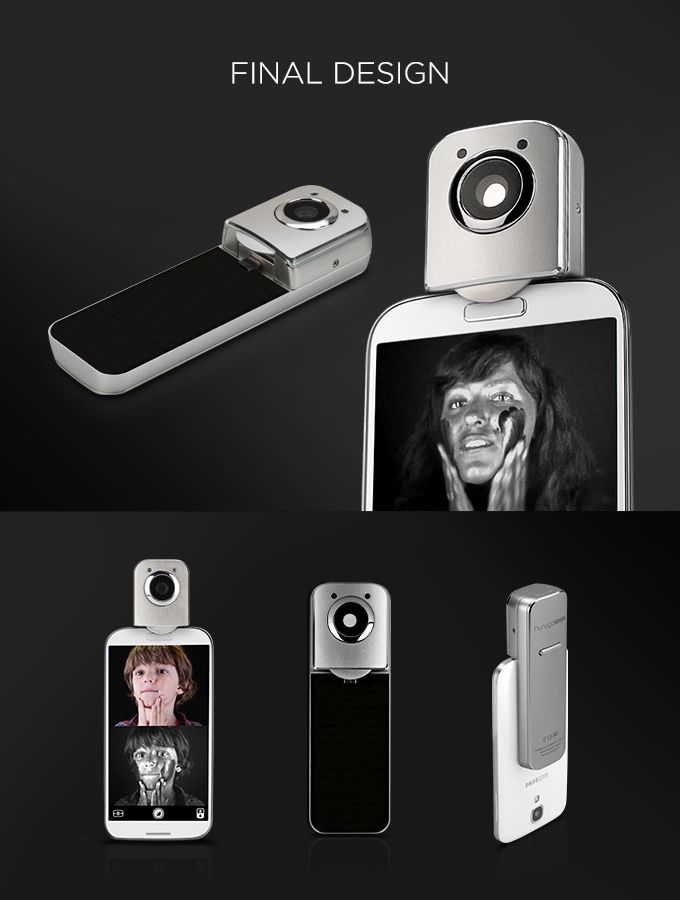
Smartphone attachments that capture ultraviolet light and show it on users' screens are growing in popularity, serving as a tool for users to see how well they've applied sunscreen or whether their sunglasses provide sufficient UV protection.
Industry implications
The preventative products industry is expanding as at-home skin health detection devices continue to advanced and offer consumers greater autonomy.
Development of artificial intelligence for skin cancer detection and ultraviolet cameras represent a growing trend of integrating technology in healthcare.
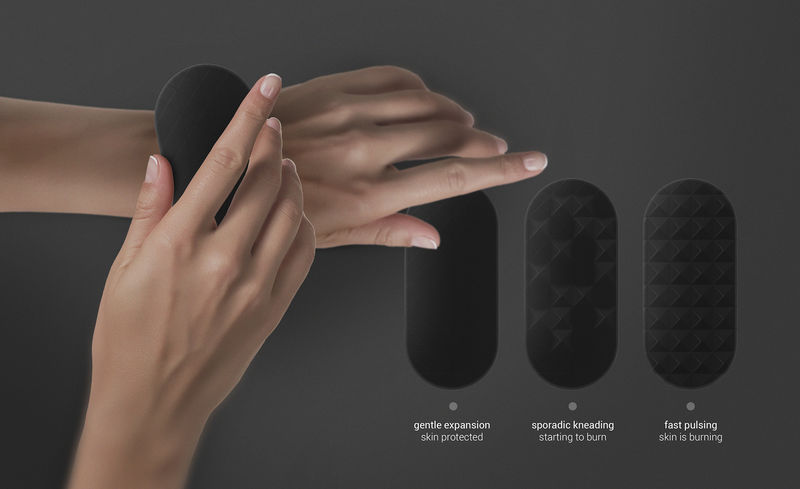
The development of wearable skin-scanning devices for sun protection, such as the SOL, cater towards consumers with an active lifestyle who may be more susceptible to skin damage.
Workshop question
Trend signals
Trend score 4.3 out of 10, from popularity 68%, activity 54%, freshness 8%.
Evidence
SOL Offers Wearable Skin Protection That Reminds Users to Take Care
Disruptive innovation opportunity for the healthcare industry to develop wearable devices that contribute to proactive skin protection and preventative healthcare.
The Nurugo SmartUV Camera Shows Light in the Ultraviolet Spectrum
The mobile accessories industry can explore the development of unique smartphone attachments, such as ultraviolet cameras, to enhance user experiences.
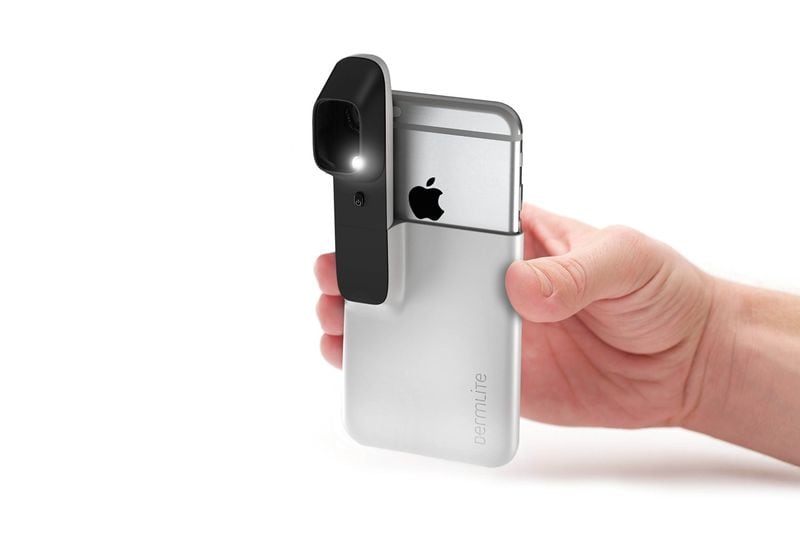
The 'DermLite' Smart Skin Scanner Tracks Skin Health
Opportunity for healthcare providers to adopt smart skin scanners and related technologies to improve early detection and preventive care.
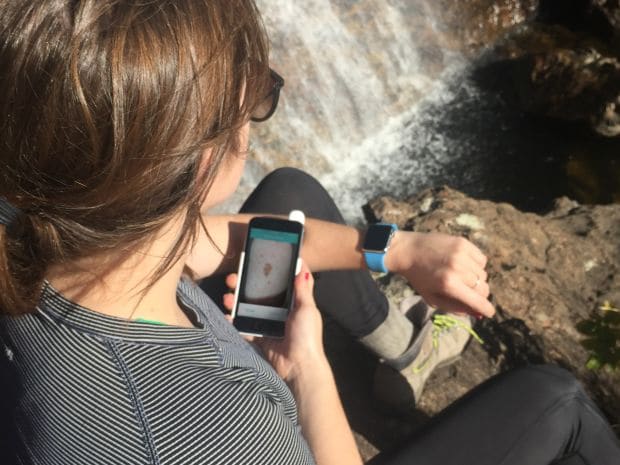
The HÜD Smartphone Skin Cancer Screener Detects Problems Early On
The HÜD Smartphone Skin Cancer Screener demonstrates the potential of technology in healthcare, paving the way for advancements in telemedicine, remote patient monitoring, and pre…
This Deep Learning Algorithm is as Effective as a Dermatologist
Developing AI-powered algorithms for a range of medical applications, including skin cancer detection which could have the potential to revolutionize dermatology.
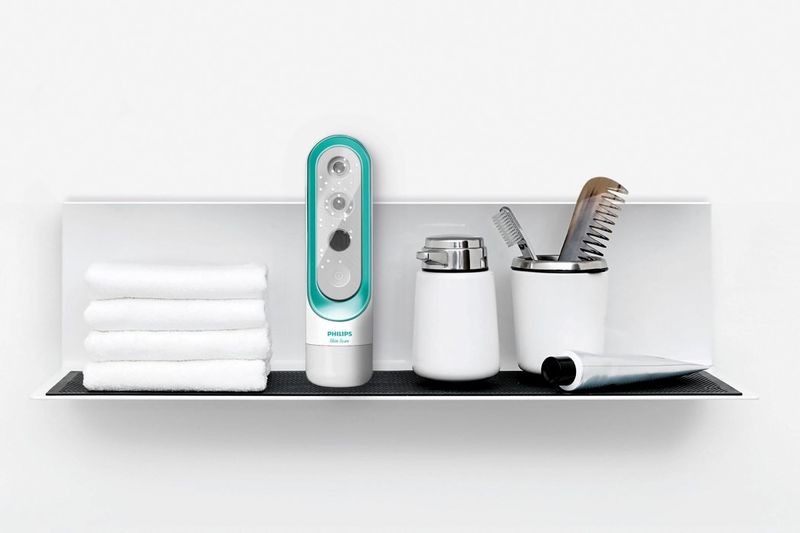
The Philips 'Skinscan' Acts as a Personal Skin Cancer Screening
The Philips 'Skinscan' presents disruptive innovation opportunities within the medical devices industry to create advanced technologies for personal health monitoring, diagnosis…






