

Category
Lifestyle
Baseline Support
VR's many applications bleed into industries concerned with training and safety.


What's Happening
Virtual Safety: The Virtual Reality industry is now being incorporated into safety programs that train and teach protocol in a range of industries–including everything from driving to simulated mail delivery experiences. These safety solutions offer a more enhanced path to becoming certified in the protocols expected of the individuals.
Insight
Businesses are increasingly taking employee safety more seriously, due to public pressures that condemn hazardous working conditions. Organizations can streamline safety training, and provide training to more people, if these programs leverage new technologies that make training immersive and educational.
Evidence
KFC Employees are Learning to Make Food in Virtual Reality
VR training programs can be used widely in the food and beverage industry to provide immersive training experiences for employees.
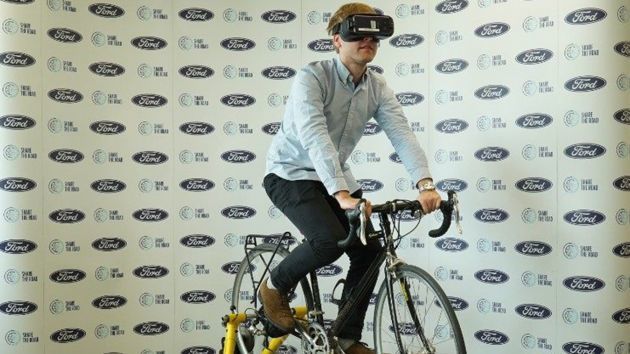
The Ford WheelSwap Experience Helps to Promote Road Safety
Automakers like Ford can leverage VR technology to enhance driver training and promote safer road behaviors.
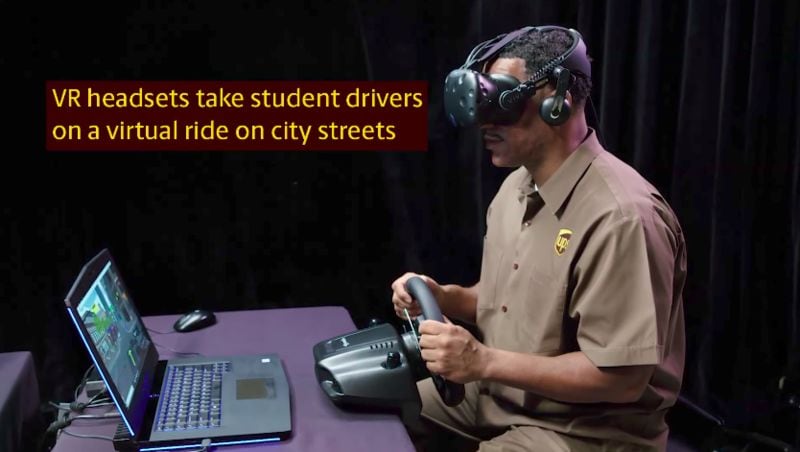
UPS is Now Using a VR Driving Simulator to Train New Drivers
The use of VR driving simulators in UPS's driver safety training program is creating opportunities for logistics and shipping companies to improve driver safety and reduce acciden…
The Royal Mail Trains Its Postal Workers on the Dangers of Dog Attacks
Postal services can use VR to train their workers to avoid dog attacks, reducing the number of dog attack incidents and improving safety measures.
Workshop question
Where could your brand see the value in using VR for training and safety purposes?
Trend signals
Trend score 3.1 out of 10, from popularity 52%, activity 35%, freshness 8%.
Trend themes
Employers can leverage Virtual Reality technology to create immersive safety training programs for employees, reducing the potential for workplace accidents and injuries.
By introducing gamified training programs, industries can create more engaging and effective learning experiences, which can encourage employees to learn and retain more information.
Industries can utilize VR technology to create empathy-building experiences that allow employees and individuals to better understand the perspectives of others, which can lead to increased empathy and understanding in the workplace.
Industry implications
Industries such as transportation, construction, and manufacturing can incorporate VR technology into their safety training programs to create more immersive and effective training experiences for employees.
Food service industries like KFC can utilize gamification and VR technology to create more engaging and informative training programs for employees, which can lead to increased productivity and accuracy in the workplace.
Industries concerned with road safety, such as car manufacturers and transportation companies, can leverage Virtual Reality technology to create experiences that promote better understanding and empathy between drivers, cyclists, and pedestrians.