
Category
Lifestyle
Baseline Support
Alcohol brands are increasingly offering low-alcohol aperitifs.

What's Happening
Low-ABV Aperitif: Brands in the alcohol industry are increasingly with low-ABV products, and this is now extending to traditional aperitif beverages. These low-alcohol beverages are meant to appeal most to Millennial and Gen Z consumers.
Insight
Young Millennials and older Gen Z consumers are more likely to enjoy beverages for their flavors rather than their high alcohol content, and these demographics have been found to consume less alcohol in general than their predecessors. Thus, brands in the alcohol industry must focus more on flavor and product experience to best appeal to these generations.
Evidence
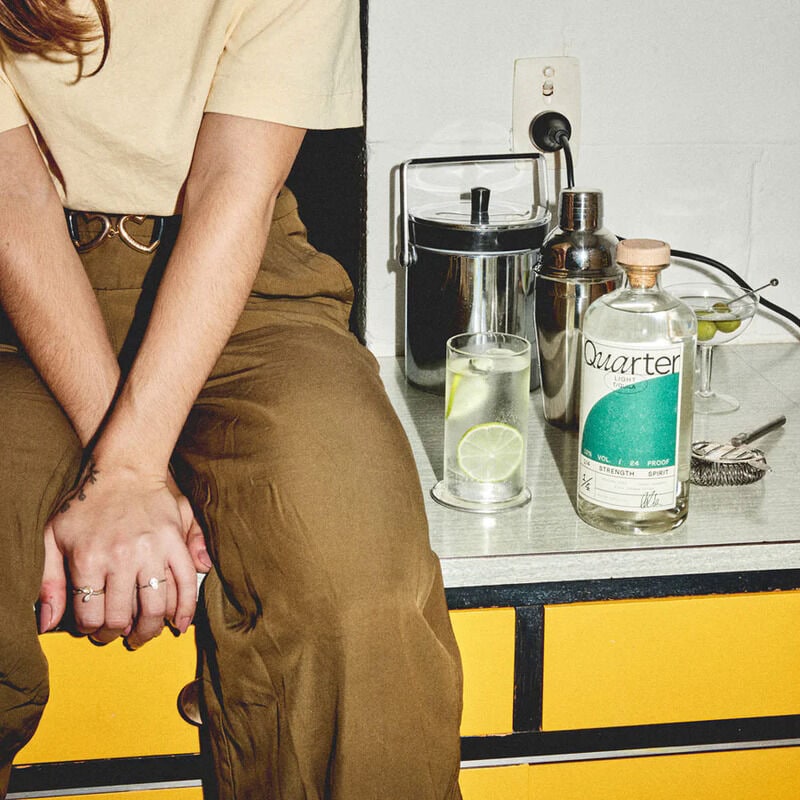
Quarter T/quila Delivers a Full-Flavor Experience at Just 12% ABV
The spirits industry can capitalize on the growing demand for low-ABV options by developing and promoting lighter versions of their products.
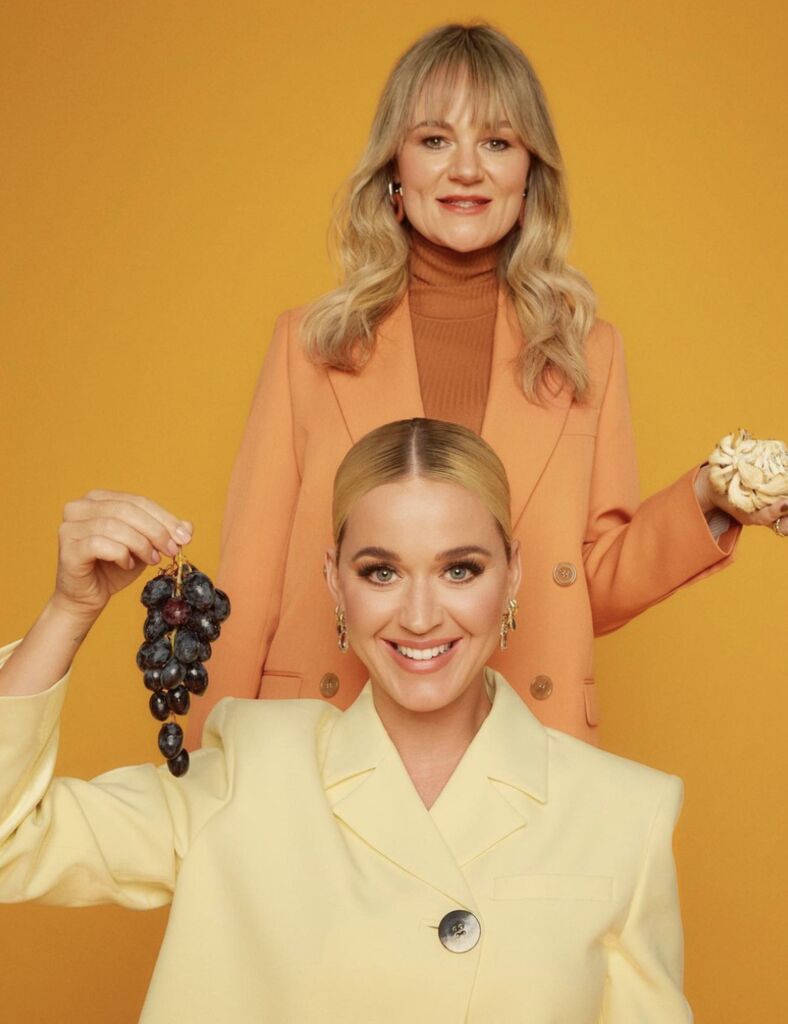
Katy Perry Launches Non-Alcoholic Apertif Line Called De Soi
Beverage companies can capitalize on the trend towards health-conscious and alcohol-free options by developing new products featuring adaptogens and other natural ingredients.
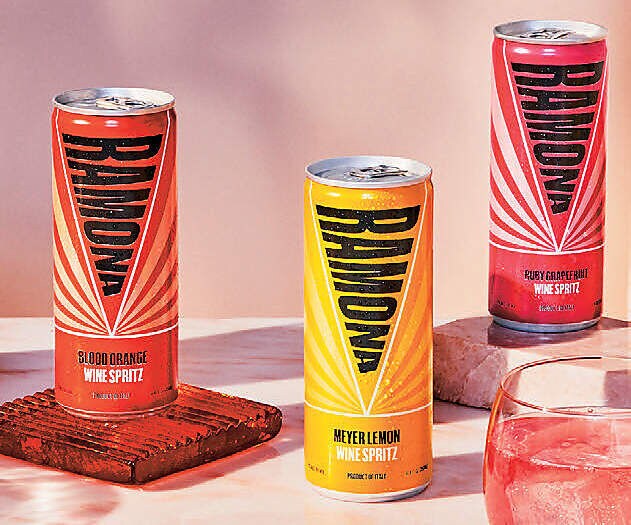
Ramona's Easy-Drinking Cans Combine Fine Wine and Italian Wine Spritzers
The beverage industry can capitalize on trends towards organic, low-alcohol beverages and canned wine, by creating and distributing products that meet the needs of health-consciou…
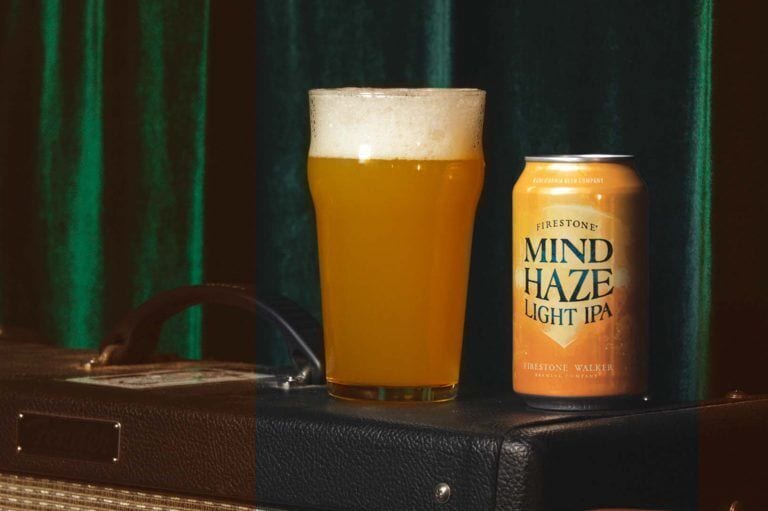
This Health-Conscious IPA Boasts a Low ABV and Calorie Count
Breweries can tap into the growing demand for low ABV, lower calorie and sessionable craft beer by experimenting with new flavors and recipes.
Tenneyson's Black Ginger Mimics the Heat of Booze
Opportunity to disrupt traditional alcoholic beverages with more plant-based, no- and low-alcohol, and botanical options.
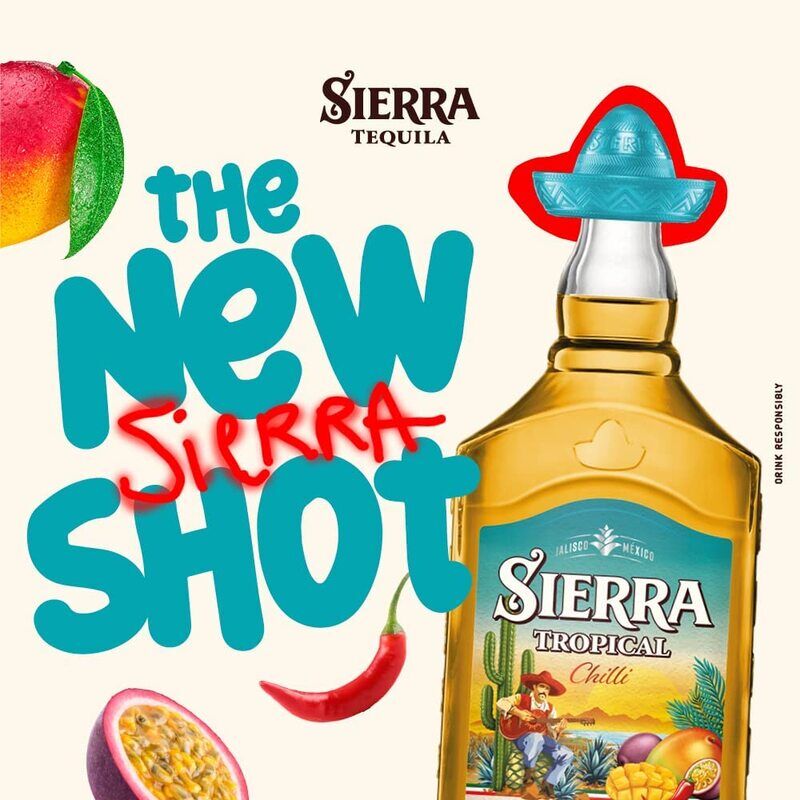
Sierra Tropical Chilli is Bottled at 18% ABV & Has a Sombrero Shot Glass
The alcoholic beverage industry can benefit from a shift towards producing low-ABV drinks to cater to consumers who are conscious of their alcohol intake.
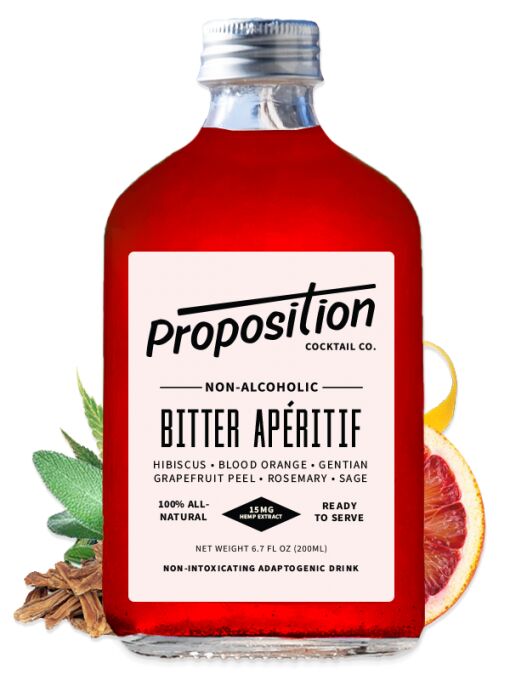
Proposition Cocktail Co Offers a Natural Refreshing Beverage
The beverage industry can explore creating more natural non-alcoholic drinks that appeal to the health-conscious consumer.
Workshop question
How is your brand altering its products and branding to appeal to younger demographics?
Trend signals
Trend score 4.0 out of 10, from popularity 53%, activity 52%, freshness 15%.
Trend themes
Alcohol brands are offering low-alcohol options, such as aperitifs, to appeal to younger, health-conscious consumers.
Non-alcoholic and adaptogen-packed aperitifs, such as Katy Perry's De Soi, are on the rise, providing a buzz-free alternative to traditional aperitifs.
Lightweight and low-calorie beers, such as Firestone's Mind Haze Light, are increasingly popular among consumers who prioritize health-consciousness and sessionability.
Industry implications
The alcohol industry needs to prioritize flavor and product experience to appeal to younger, health-conscious consumers who prioritize low-ABV beverages.
Non-alcoholic beverages, such as adaptogen-packed aperitifs, are disrupting the alcohol industry by offering buzz-free alternatives with purported health benefits.
The rise of lightweight and low-calorie beers is disrupting the beer industry and appealing to consumers who prioritize health-consciousness and sessionability.