



Category
Tech
Delegated Interfaces
Apps help people with allergies predict, track and treat their symptoms.

Trend
Predictive Allergy: Allergy apps are increasingly popular, and offer users easier ways to predict when their symptoms will flare up based on seasonal changes, and help people prepare for those symptoms in advance.
Insight
The way many North American consumers approach their health now isn't just about treating problems as they come up, but taking a more proactive approach that can potentially reduce the chances of illness, health issues or fitness problems. Thus, consumers seek out both information and brands that help them support their health in a proactive way.
Trend themes
Increased usage of allergy apps reflects a shift towards proactive management of health beyond just treating illnesses.
Allergy apps rely on integrated sensor technologies for real-time data collection to provide accurate insights into allergens.
AI and machine learning are being used to personalize allergy predictions and aid in the early assessment of allergy risks, especially in infants.
Industry implications
The Health and Wellness Industry can leverage the trend of personalized health management by offering innovative proactive health solutions.
The Technology Industry can invest in the development of integrated sensor technologies and AI-powered solutions for personalized health management.
The Pharmaceutical Industry can leverage the trend of personalized health management by offering innovative allergy treatments and solutions.
Workshop question
Trend signals
Trend score 2.6 out of 10, from popularity 44%, activity 25%, freshness 11%.
Evidence
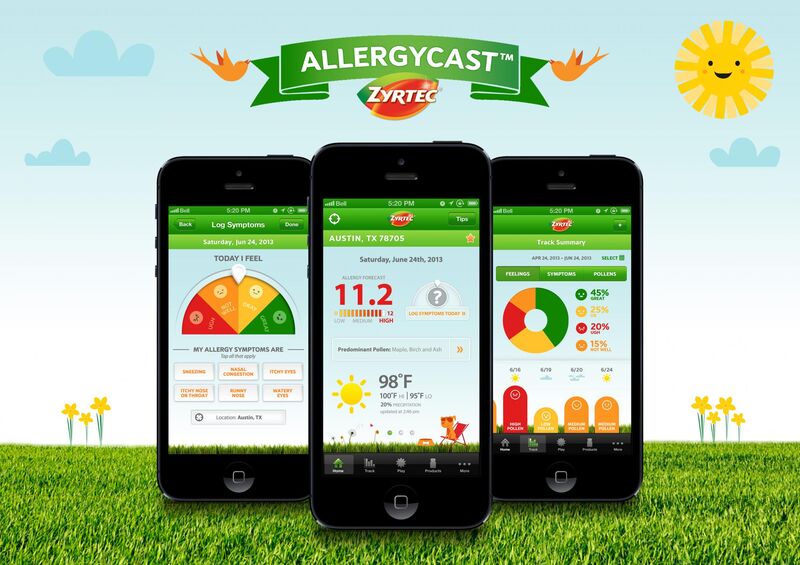
Zyrtec AllergyCast Uses an Algorithm to Predict Allergy Symptoms
The development of predictive and personalized allergy management solutions through the use of technology and data analysis.
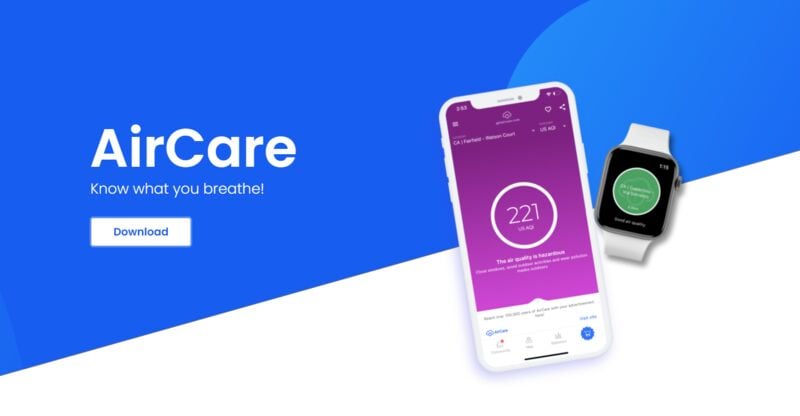
The AirCare App by Gorjan Jovanovski has a Bright and Intuitive UI
The healthcare industry can benefit from the use of smart air quality tracking apps for personalized treatment plans and preventative care.
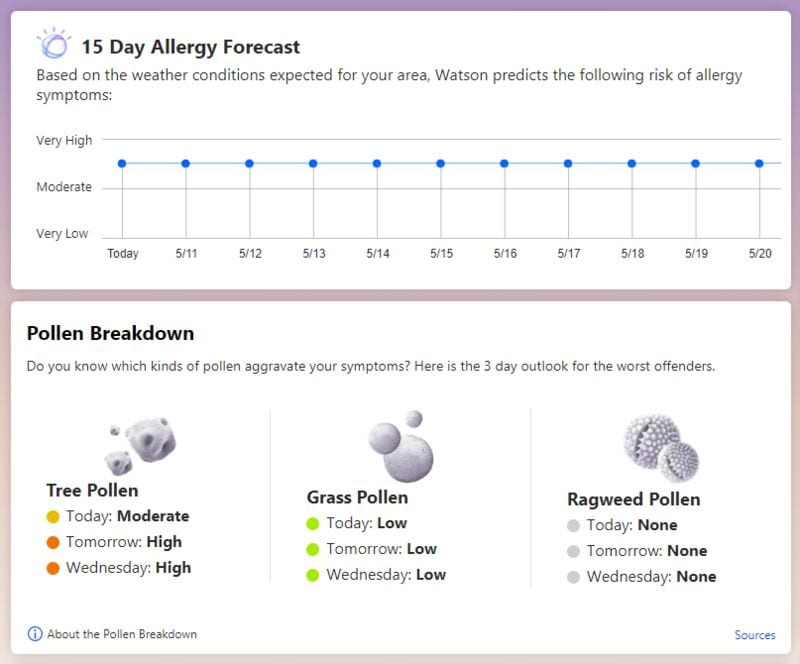
The Weather Channel's 'Allergy Insights with Watson' Uses Machine Learning
Healthcare industry can utilize AI and machine learning technology to provide more accurate and personalized solutions for allergy tracking and management.
MYOR Announces Launch of NURTURE Precision Infant Care
Healthtech companies like MYOR can leverage biomarkers and AI-powered systems to develop comprehensive preventive care plans for infants with allergies.
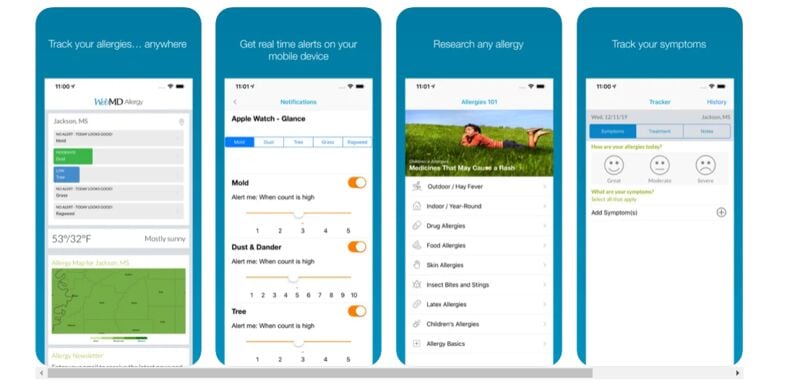
The WebMD Allergy App Tracks Seasonal Allergy Symptoms
Opportunities exist for healthcare providers to create personalized apps or tools to enable better allergy tracking and treatment.
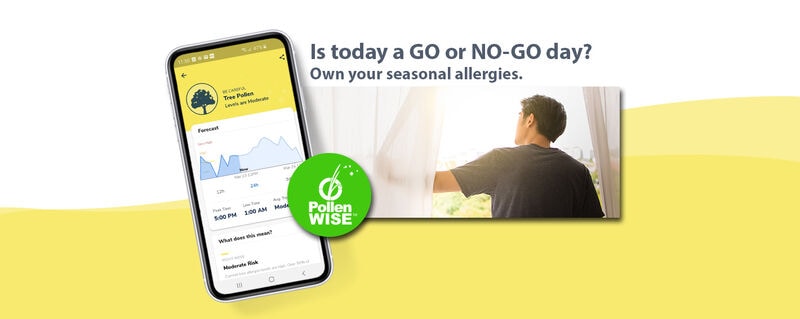
The Pollen Wise App Allows Users to Predict Seasonal Allergies
Real-time allergy monitoring apps could be used by healthcare providers to track and respond to changes in a patient's allergic reactions.
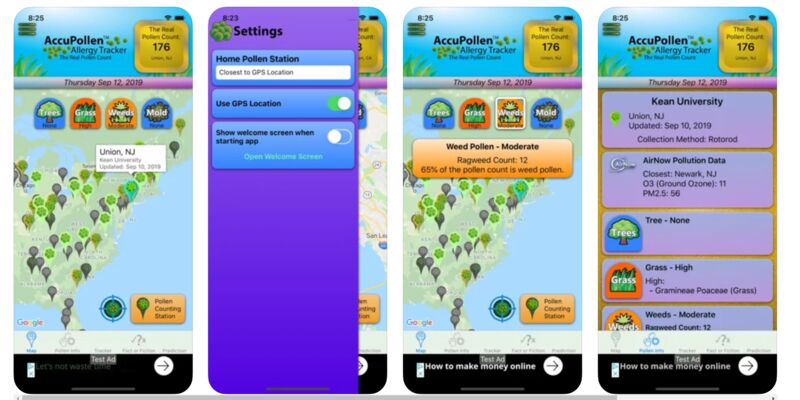
The AccuPollen Allergy Tracker Provides a Precise Allergen Breakdown
The AccuPollen Allergy Tracker app is a game-changer in allergy management that has potential to transform healthcare treatments.






