



Category
Tech
Delegated Interfaces
Artificial digital influencers are on the rise and collaborating with brands.
Trend
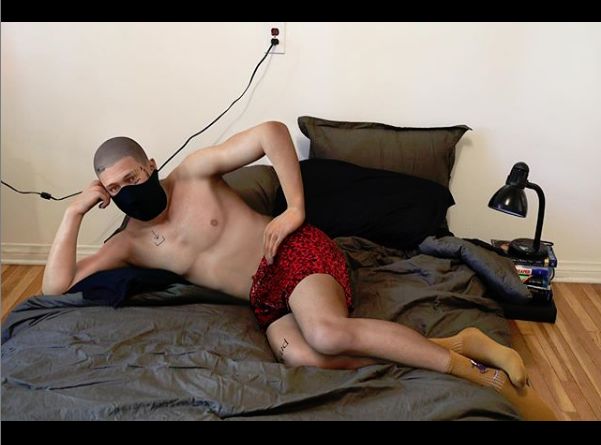
Virtual Influencer: Computer-generated social media influencers are on the rise, and so now are their collaborations with big brands due to their enormous popularity online. These virtual models are created by appropriating the images and aesthetics of successful real-life models in the influencer space.
Insight
The influencer space has grown so much that consumer fatigue is starting to set in. Consumers are increasingly questioning the motives and authenticity of influencers, and are more frequently seeing the influencer industry as just an extension of traditional forms of marketing. Alternative creations in this space are often transparent about their lack of authenticity, and so appeal to consumers via mystery and intrigue.
Trend themes
The creation of computer-generated influencers is a trend that could disrupt the traditional influencer space, offering brands new, fresh, and mysterious collaboration opportunities.
The emergence of hyper-realistic digital avatars is something that has led to an entirely new type of influencer who interacts with their followers in ways that used to only be possible with physical people.
The creation of fictitious digital humans has allowed for brands to create a brand ambassador that is entirely on-brand and can push fashion and marketing forward in the digital age.
Industry implications
The fashion industry can look to computer-generated influencers, virtual luxury fashion models, and digital media influencers to collaborate with and market to customers in new and unique ways.
The marketing industry can benefit from the emergence of hyper-realistic digital avatars and fictitious brand-representing influencers to reach customers in new and innovative ways that blur the lines between reality and the digital world.
The tech industry can explore the potential of computer-generated influencers, hyper-realistic digital avatars, and fictitious digital humans to push the boundaries of what is possible in the digital space, and use them to highlight the cutting-edge technology that makes them possible.
Workshop question
Trend signals
Trend score 5.3 out of 10, from popularity 83%, activity 66%, freshness 8%.
Evidence
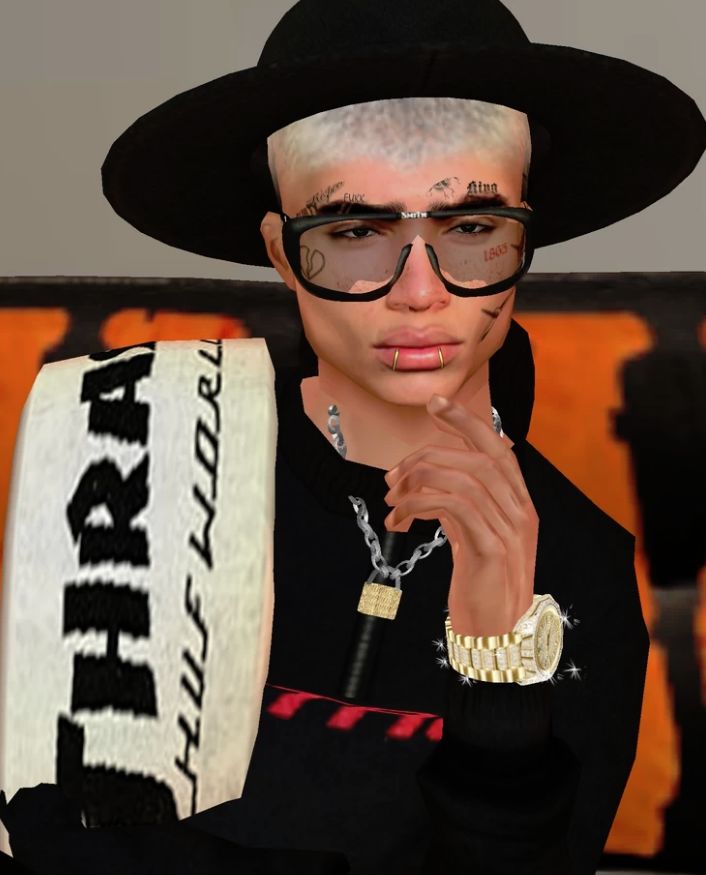
Lil Wavi is a Digital Human with a Scandalous Attitude
Identifying disruptive innovation opportunities in the fashion industry, particularly in the realm of digital influencers.
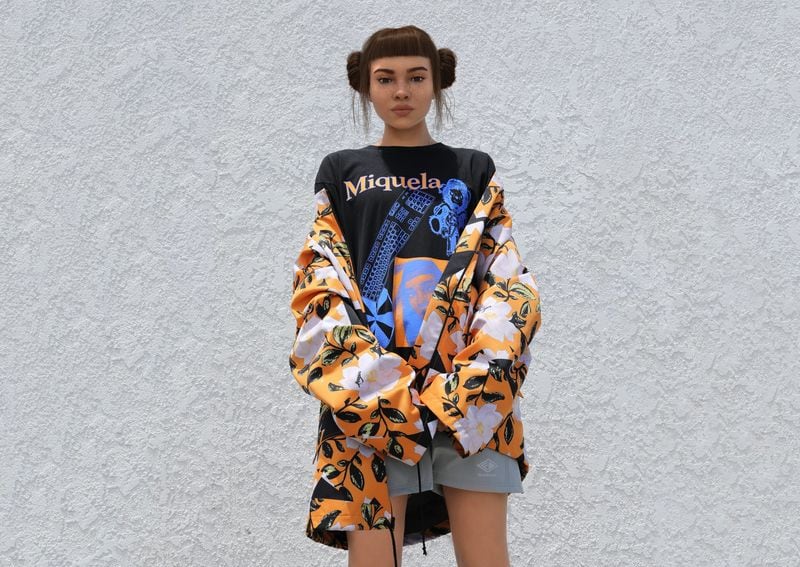
Lil Miquela Showcases an Exclusive T-Shirt by Barneys
Disruptive innovation opportunity: Fashion retailers can collaborate with virtual influencers to create exclusive clothing items and tap into the growing market of digitally influ…
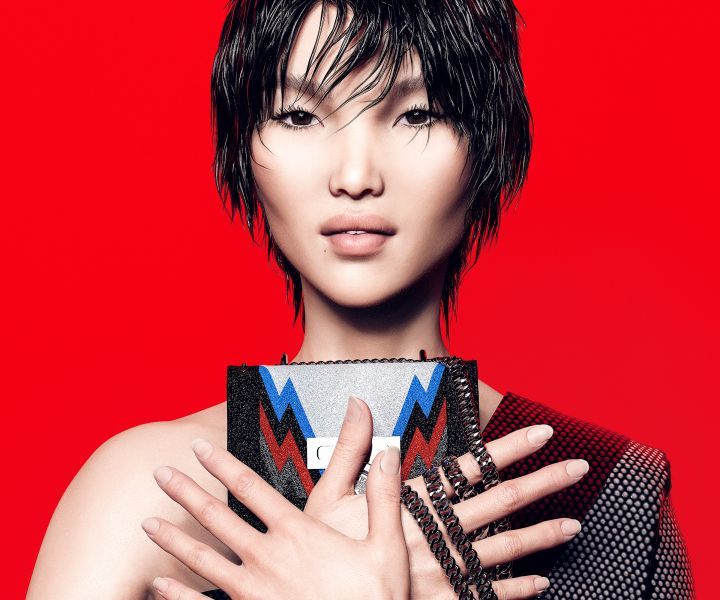
Balmain's 'Virtual Army' Features Diverse CGI Supermodels
Luxury fashion brands can utilize virtual models to create innovative and inclusive advertising campaigns, highlighting their products in a unique and futuristic way.
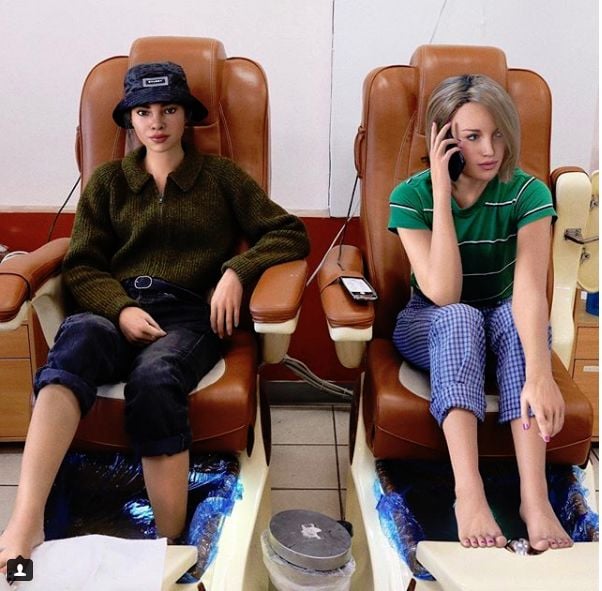
Bermuda is the Fully Digitized Entity Behind @Bermudaisbae
The fashion industry can leverage hyper-realistic digital avatars to showcase clothing and accessories virtually, offering a unique online shopping experience for customers.
Blawko22's Media Presence Extends to Social Commentary
Partnering with digital media influencers provides opportunities for advertising agencies to reach new audiences through innovative campaigns.






