Category
Lifestyle
Baseline Support
Consumers consider human rights an integral part of brand loyalty.

What's Happening
Humanitarian Fashion: The globalization of business, paired with the interconnected nature of the digital world, has lead consumers to consider companies stakeholders in human rights. In addition to sustainable production, consumers are now actively searching for brands that make civil liberties a mission or a goal. Though change might be slow, this progression indicates companies are evolving to better align their practices and beliefs.
Evidence
This Company Aims to Empower Socially Isolated and Poor Women
The fashion industry can tap into the trend of anti-oppression fashion by adopting ethical and sustainable practices, supporting marginalized communities, and transforming the tra…
The TOMS #withoutshoes Donate Shoes for Each Posted Foot Picture
Disruptive innovation opportunity: Redesign footwear production processes to make them more sustainable and accessible for children in need.
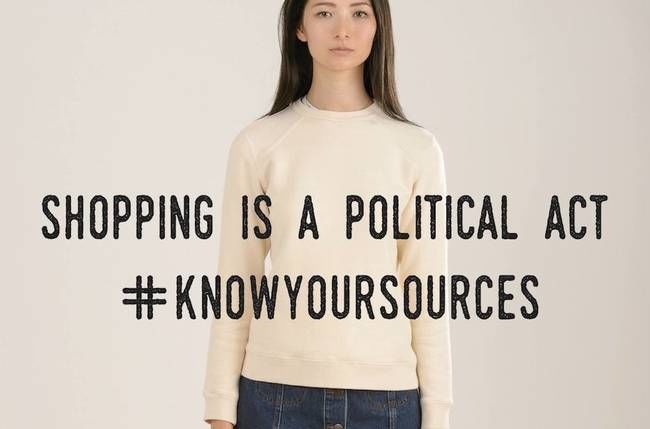
This Company Sheds Light on How Its Garments are Produced
Seizing the opportunity to differentiate by being transparent about the manufacturing process, working conditions, and environmental impact.
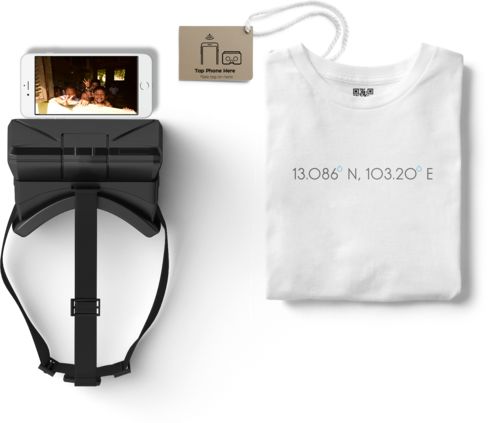
Gimme360's Wearable Technology Brings You Closer to Your Social Impact
Gimme360's wearable technology and virtual reality videos can revolutionize the way charities interact with donors and deliver impact, giving them a competitive edge in the social…
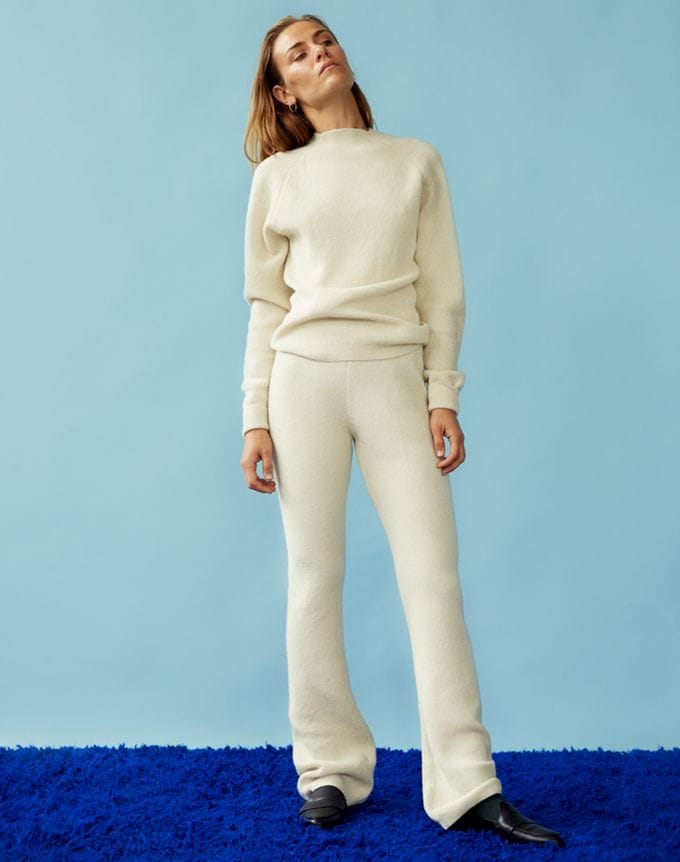
The Brand 'Carcel' Helps to Empower Impoverished Women Around the World
Disruptive innovation opportunity: Leveraging prison-made fashion to tap into a new market segment while addressing social issues and creating positive change.
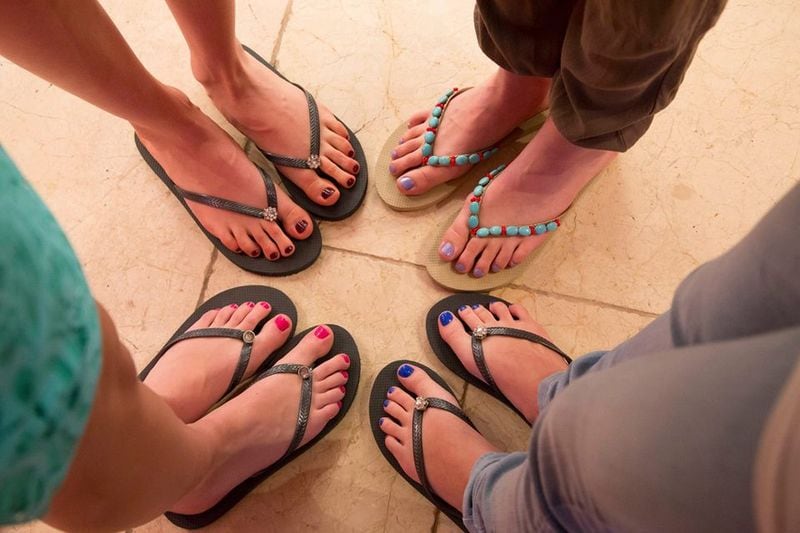
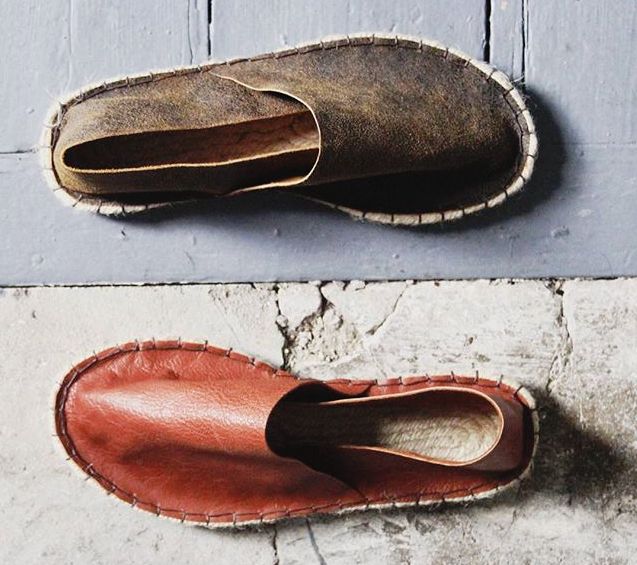
Her Own Feet Offers a Stylish Pair of Sandals That Give Back to Women
Disruptive innovation opportunity: Transform the fashion industry by incorporating social responsibility into the core business strategy.
Workshop question
How can your brand better align itself with the morals and values of its targeted consumers?
Trend signals
Trend score 4.9 out of 10, from popularity 75%, activity 64%, freshness 8%.
Trend themes
Consumers are now actively searching for brands that make civil liberties a mission or a goal.
Consumers have begun demanding more information about where their clothing comes from.
Wearable technology is being used to bring consumers closer to their social good impact with transparency and interaction delivered through virtual reality video.
Industry implications
Companies can promote human rights as part of their brand mission while offering sustainable, ethical fashion.
Technology companies can harness the power of wearable technology to deliver social impact and transparency in a range of fields.
More fashion companies should consider using prison labor as a way to provide transferable skills, employment and the potential for a better future for underprivileged women.