



Category
Lifestyle
Assisted Choices
Insect repellents evolve to satiate the modern tech-savvy consumer.
Trend
Digitized Protection: As consumer dependence on technology continues, products like insect repellents are evolving to feature high-tech, digital components. Moving away from the typical spray format, repellents are being integrated into wearable technology and mobile apps to not only make application more convenient, but also streamline the process to be easily integrated into day-to-day activities. This turn toward tech integration suggests that consumers are not only looking for new ways to experience things, but also expect a technological tie-in, even when it comes to personal protection and health.
Trend themes
As consumers become more dependent on technology, companies are integrating digital components into personal protection products like wearable insect repellents and mobile apps to make application more convenient and encourage day-to-day use.
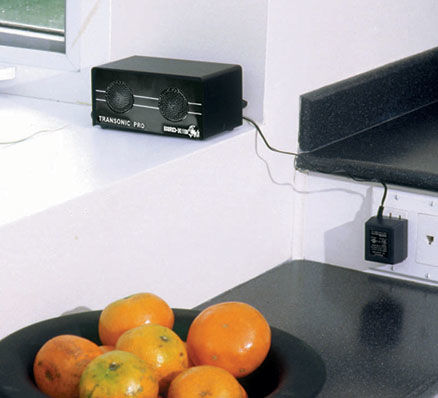
Electronic pest control systems, like the Transonic PRO, that use sound waves instead of dangerous chemicals or inhumane traps are becoming a popular pest management option for consumers concerned about safety and animal welfare.
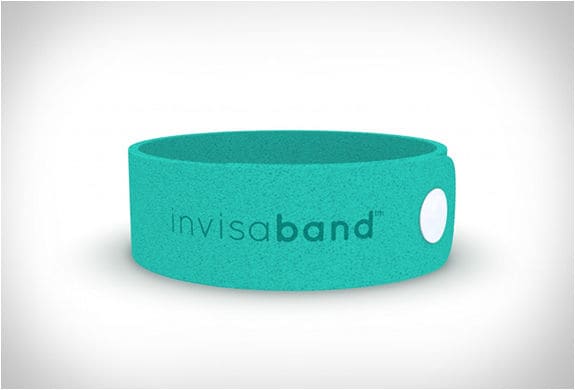
Companies are introducing a range of creative and effective mosquito-repelling products like bracelets infused with geraniol extract, musical camping lanterns that also repel insects, and light-sensing malaria tests.
Industry implications
The personal care industry can benefit from tech integration in products like insect repellents, offering consumers a greater variety of high-tech personal protection options.
As consumers become more concerned about animal welfare and the use of dangerous chemicals in their homes, the pest control industry can offer electronic pest control systems as a humane option.
Medical startups, like Matibabu in Uganda, are developing innovative and non-invasive healthcare solutions that use technology, such as light-sensing malaria tests, to improve access and increase efficiency in healthcare.
Workshop question
Trend signals
Trend score 3.6 out of 10, from popularity 53%, activity 47%, freshness 8%.
Evidence
This Handy Wearable Device Helps to Keep Bugs at Bay
Integrating insect-repelling features in outdoor clothing and gear to provide added value for consumers.
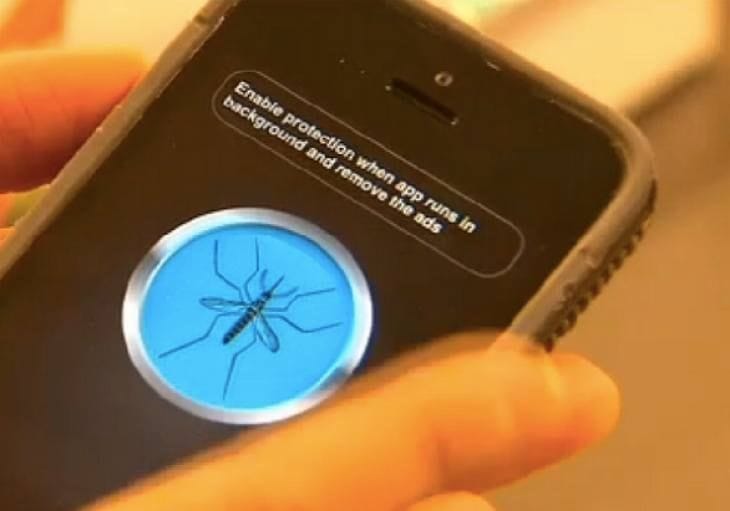
The Anti Mosquito Sonic Repeller App Claims to Keep Mosquitoes Away
The rise of mosquito-repelling apps creates opportunities for developers in the mobile app development industry to create innovative solutions for insect control and prevention.
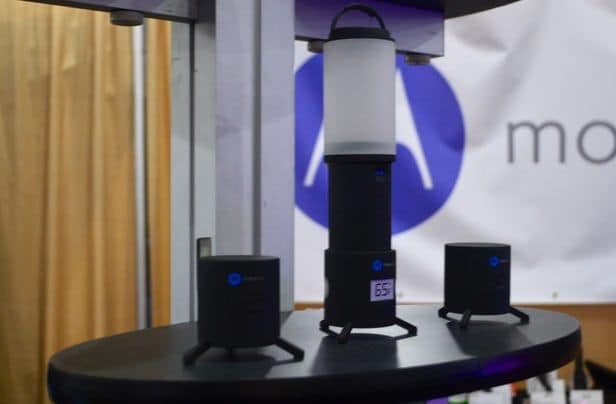
This Camping Lantern Repels Insects and Plays Music
Companies that specialize in outdoor and adventure gear can explore opportunities to create innovative products that combine various functionalities.
This Electonic Pest Control System is Humane and Safe to Use
Pest control companies can provide new electronic pest control solutions to cater to consumers looking for eco-friendly and humane pest control methods.
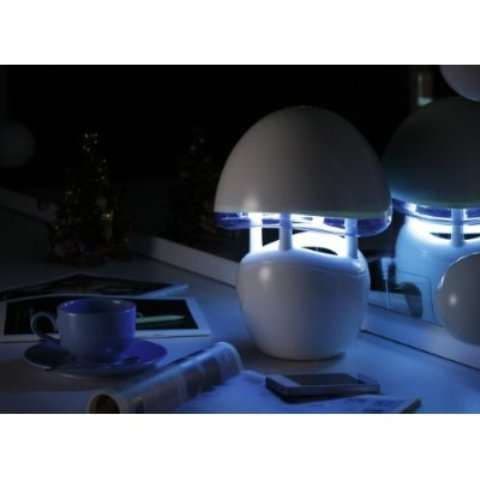
Mosquito in a Trap Keeps Those Pesky Bugs Away From You
Creating advanced trapping technologies is a disruptive innovation opportunity within the insect pest control industry.
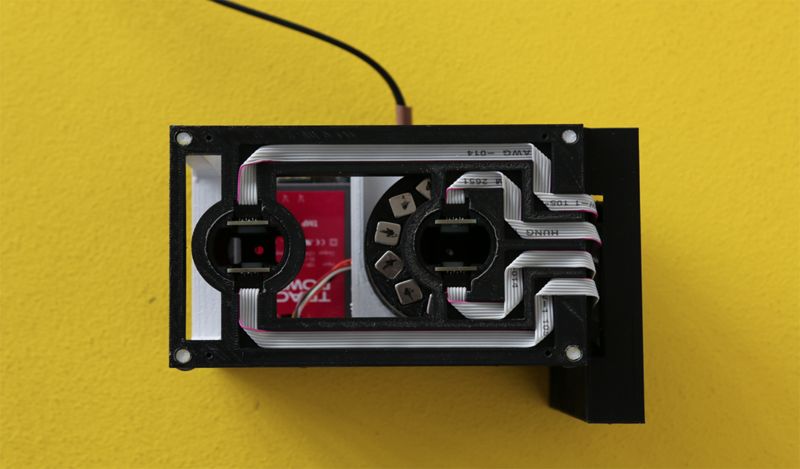
Ugandan Startup Matibabu Can Quickly Diagnose Malaria With Light
The healthcare technology industry can leverage this trend to develop innovative solutions for diagnosing and preventing malaria.






