Category
Lifestyle
Baseline Support
Industrial spaces incorporate digitally optimized mirrors for user appeal.


What's Happening
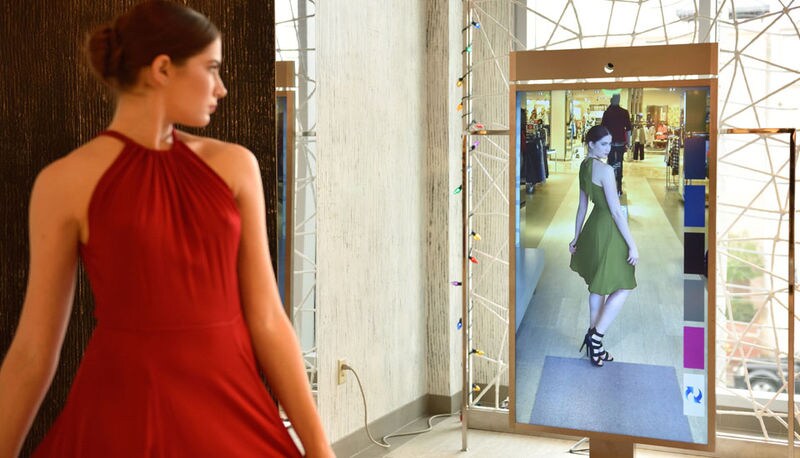
Connected Vanity: Mirrors have been optimized for digital use in a variety of public spaces, ranging from retail locations to gyms. These next-generation mirrors present a benefit that is two-fold: they play upon consumers' narcissistic tendencies, while simultaneously offering a form of interactivity and connectivity that's now demanded in both public settings and personal devices.
Evidence
Neiman Marcus' Memory Mirror Digitally Compares Outfits
Opportunity for the retail industry to implement high-tech mirrors to improve customer experience and drive sales.
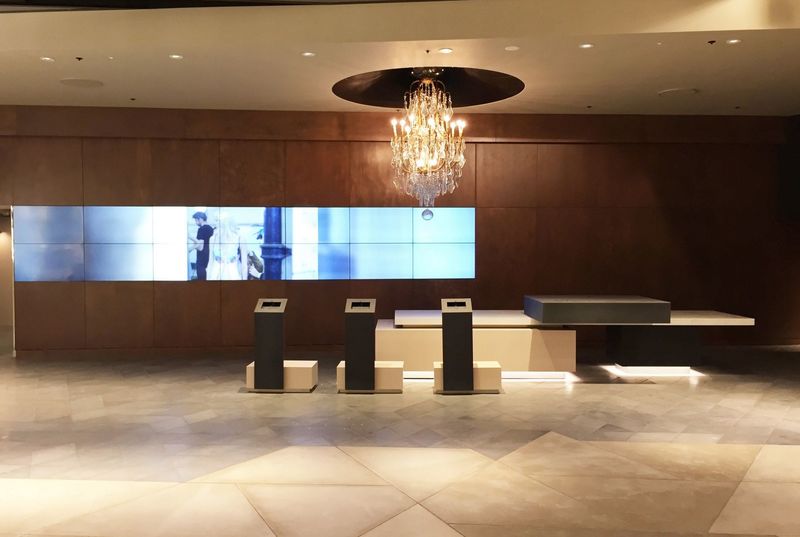
Harvey Nichols' Newest Retail Store Design Boasts Engaging Details
Design firms and architects can explore new ways of incorporating technology and interactive elements into retail store designs.
Samsung's Mirror and Transparent OLED Makes Retail Visually Engaging
The retail industry can leverage interactive retail mirrors to enhance the shopping experience and increase customer engagement.
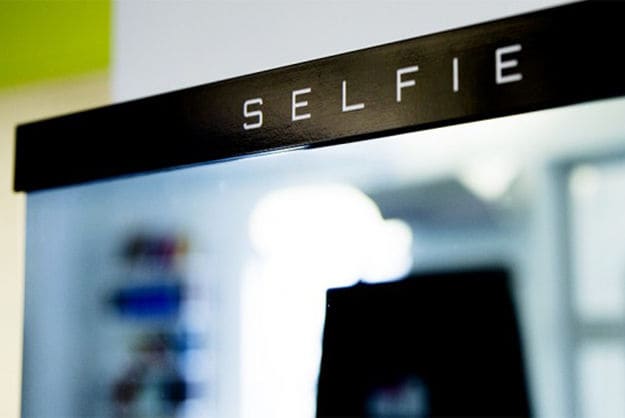
The Selfie Mirror by iStrategyLabs Snaps Pics and Puts Them on Twitter
The Selfie Mirror could be valuable for retail stores to encourage social media sharing and promote adoption of their brand within its targeted audience.
MirrorMirror Uses Facial Recognition to Display Digital Feeds
Smart mirrors like MirrorMirror could be integrated into the home automation market to provide users with real-time information and enhanced functionality.
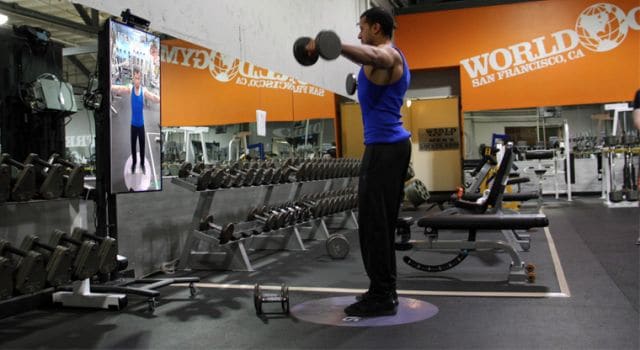
The SmartSpot Device Tracks and Recognizes Different Exercises
The smart weightlifting mirror falls within the fitness technology industry, providing innovative solutions that enhance workout performance and tracking capabilities.
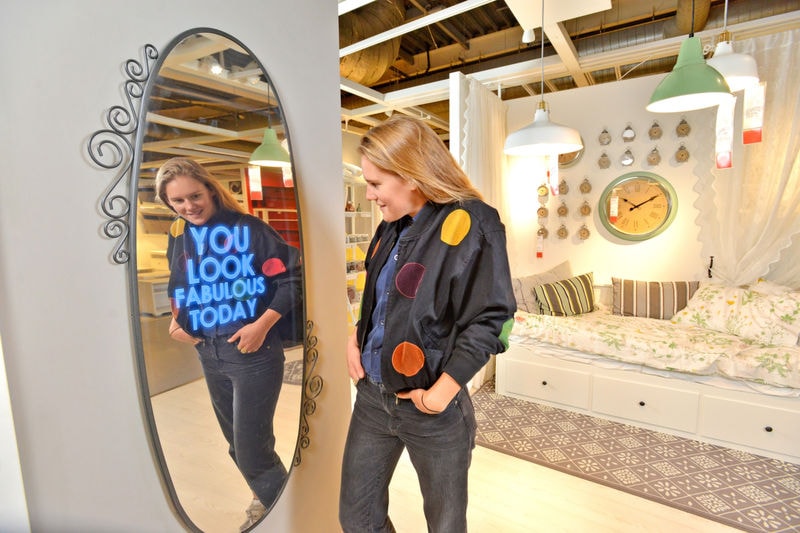
This Motivational IKEA Mirror Boosts Esteem In-Store
Opportunity for retail technology companies to create innovative platforms that use AI and sensors to enhance the shopping experience.
Workshop question
How can your brand leverage technology to create interactivity with consumers?
Trend signals
Trend score 5.0 out of 10, from popularity 74%, activity 67%, freshness 8%.
Trend themes
Mirrors are being enhanced with digital features in public spaces and retail locations alike.
Facial recognition technology is being used in mirrors for diverse purposes ranging from social media sharing to personalized information display.
Retail spaces are becoming increasingly immersive and interactive by integrating technology in stunning new ways.
Industry implications
The trend of digitally optimized mirrors and interactive retail is disrupting the traditional ways in which retailers reach customers.
Smart mirrors with fitness features and real-time feedback offer exercisers new ways to optimize their workouts.
Digital mirror interfaces that offer customized information could play a big role in the integration of home automation systems.