



Category
Tech
Delegated Interfaces
Zoos and national parks are turning to VR for more ethical viewing practices.
Trend
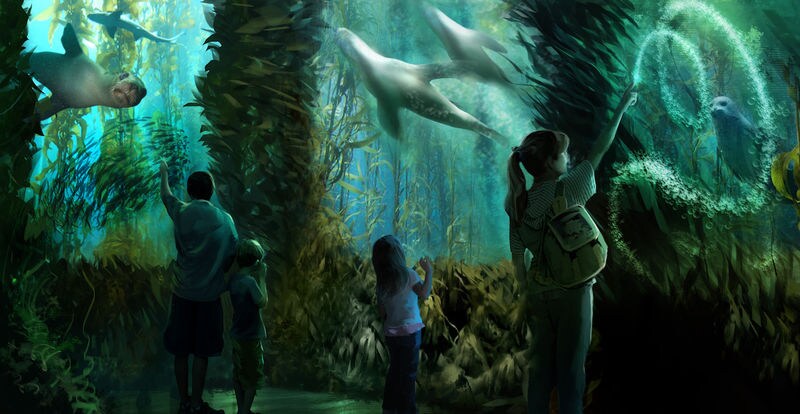
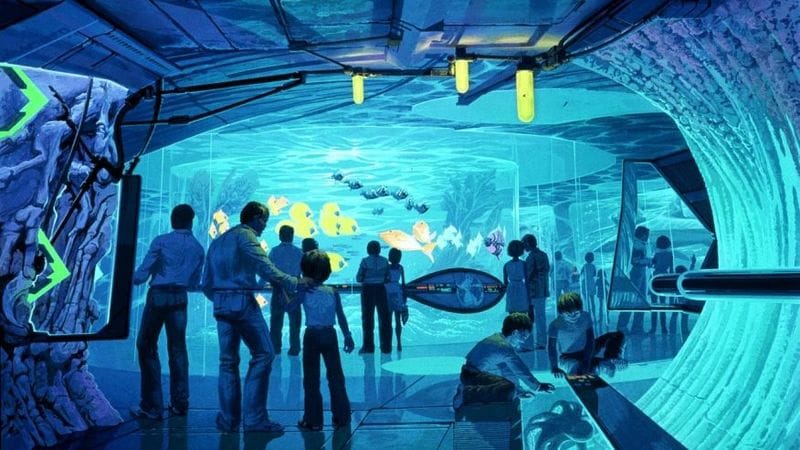
Virtual Zoology: Virtual reality is now being incorporated into the zoos and parks industry for more cruelty-free animal viewing. Whether actively preventing harm, or avoiding the consequences of keeping animals in captivity, virtual applications in zoology will slowly result in a more ethical form of understanding wildlife for the average consumer. With more public information on the downfalls of animal captivity and poaching, and as consumers increasingly seek out experiences that align with their personal values, this application of VR and smart technology serves to assuage consumer guilt while still giving them the informative and immersive experiences they crave.
Trend themes
With virtual zoos becoming more prominent, there is an opportunity to create cruelty-free animal viewing experiences with similar immersive experiences.
As conservationists face increasing challenges due to animal poaching, there is an opportunity to create anti-poaching technology that emphasizes the use of IoT systems and LPWAN technology.
Technology that blends the physical with the digital can create an opportunity for innovative, inspiring, and immersive learning experiences for people of all ages through AR and VR technology.
Industry implications
By fusing VR, AR, and smart technology with traditional entertainment structures, there is an opportunity to create new forms of immersive entertainment experiences.
The conservation industry can use sensors and satellite technology to prevent poaching in remote areas where endangered animals live.
Virtual reality in the education sector can be used to build immersive experiences for students to learn about marine biology that would otherwise not have been possible.
Workshop question
Trend signals
Trend score 4.0 out of 10, from popularity 61%, activity 52%, freshness 8%.
Evidence
National Geographic's Encounter: Ocean Odyssey is Cruelty-Free
The entertainment industry can create innovative, immersive experiences for audiences by exploring the use of motion-capture technology and moving away from traditional animal exh…
Landmark Entertainment is Releasing Its 'LIVE Centers' Across China
Advancements in VR technology present opportunities for the entertainment industry to create new innovative entertainment experiences.
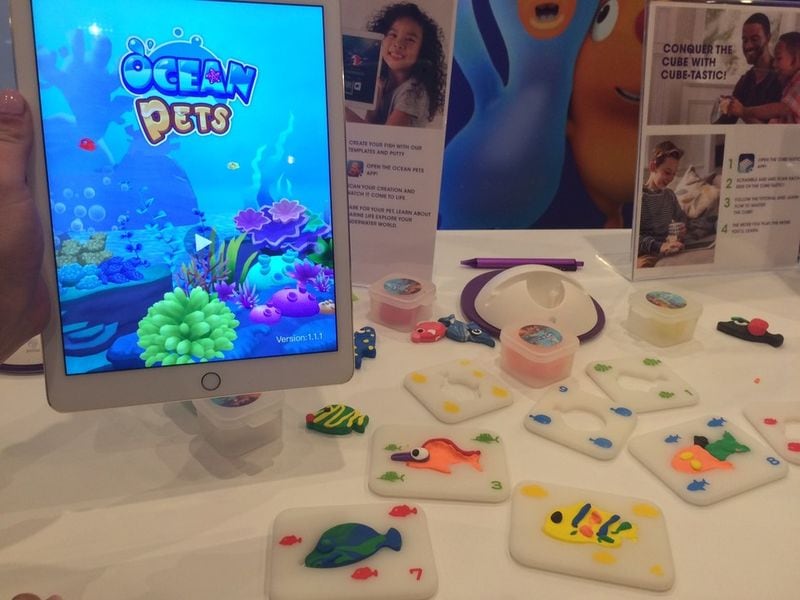
Pai Technology's 'Ocean Pets' is a Unique Virtual Aquarium for Kids
Incorporating digital elements into traditional toys opens up possibilities for innovative and interactive play experiences.
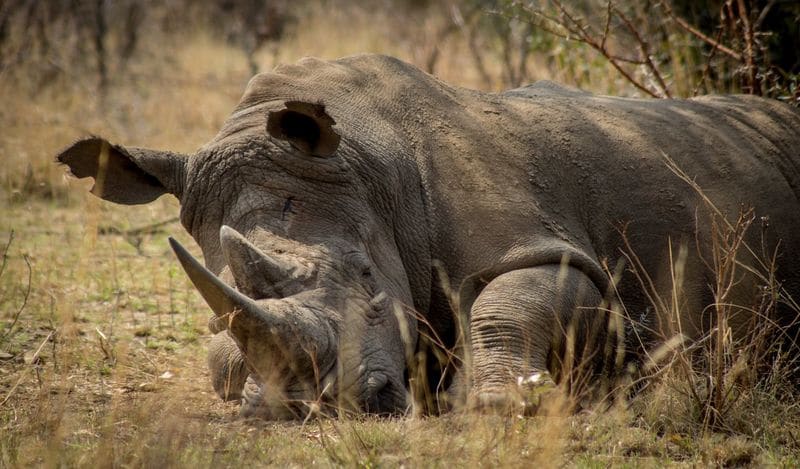
This Animal Poaching Prevention Effort Uses IoT and LPWAN Technologies
The application of anti-poaching sensors provides an innovative solution for protecting endangered species in game reserves and national parks.
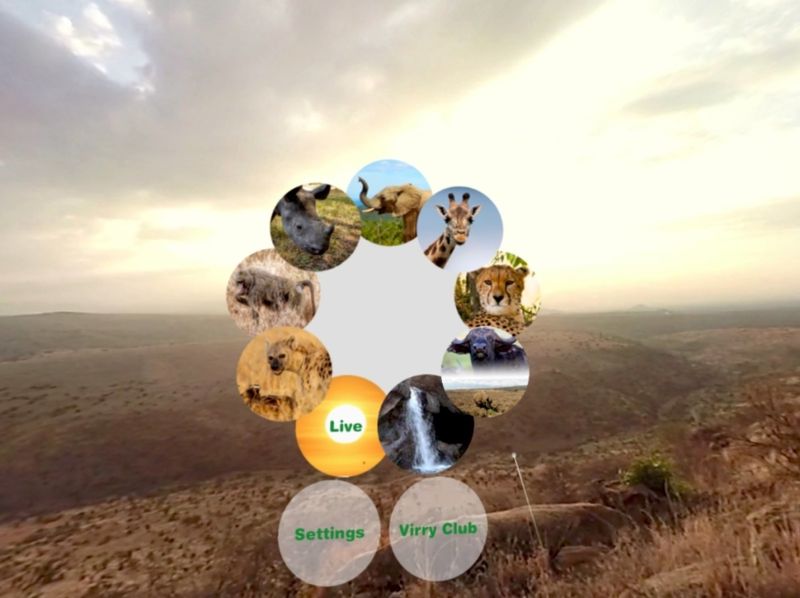
'Virry VR: Wild Encounters' Puts Players Close to Wild Animals
Developers can create new immersive and educational gaming experiences using VR technology and 360-degree filming techniques that incorporate wildlife and natural environments.
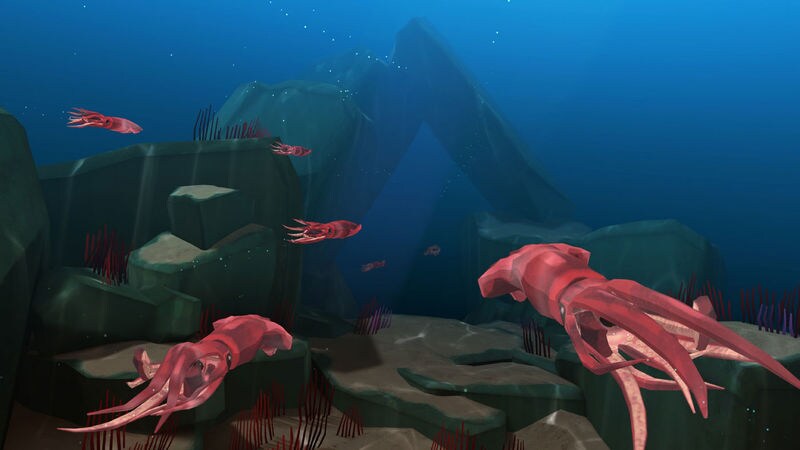
'BBC Earth: Life in VR' Immerses Viewers in the Californian Coast
Incorporating immersive VR experiences into travel destinations can attract a wider range of visitors and enhance their experience.






