



Category
Tech
Delegated Interfaces
New devices increase their value by piggybacking off of common tech products.
Trend
Crossover Computing: Considering the relative cost of new devices for consumers, it can be difficult to motivate consumers to make purchases. Clever tech producers have thus created highly functional, yet inexpensive products by harnessing the power of devices consumers already own. Extending this concept, upstart brands that leverage a knowledge of consumers' industry-specific purchases can deliver quality, affordable products.
Trend themes
Companies are creating highly functional, yet inexpensive products by leveraging the power of devices consumers already own.
Products and programs are making use of the immense power of smartphones and tablets to create new multifunctional devices.
The low cost point and eco-friendly nature of repurposing old devices allows for more consumers to access technology.
Industry implications
By repurposing existing consumer electronics, companies can create new innovative products at a lower price point.
Smartphone-powered home security systems creates a more cost-effective option for homeowners and renters.
Smartphone-powered devices such as multifunctional projectors can improve the delivery of content in classrooms and professional settings.
Workshop question
Trend signals
Trend score 5.1 out of 10, from popularity 74%, activity 70%, freshness 8%.
Evidence
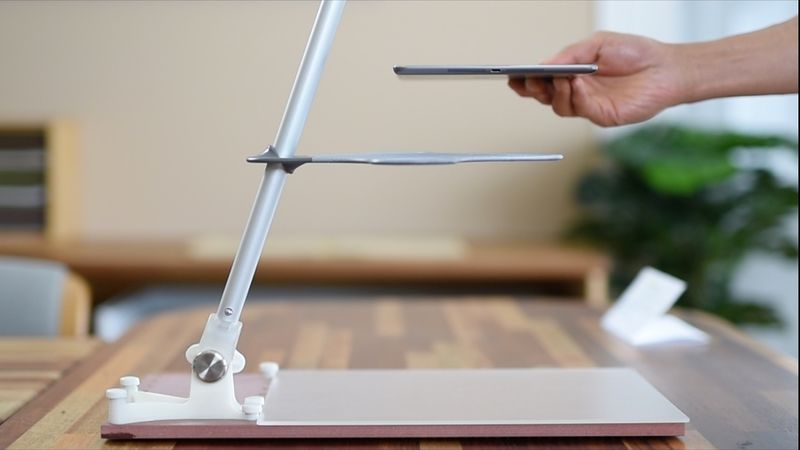
The 'EllyStand' Smart Device Holder Stand is Multipurpose
The 'EllyStand' aligns with the mobile accessories industry, offering a versatile and functional product for smartphones and tablets.
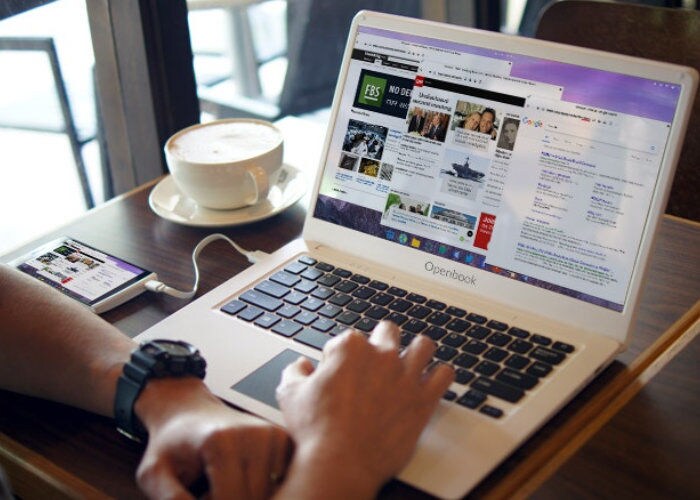
The 'Openbook' Laptop Uses the Processing Power of Your Smartphone
Opportunity for consumer electronics companies to develop innovative products that leverage smartphone processing power and enhance user experience.
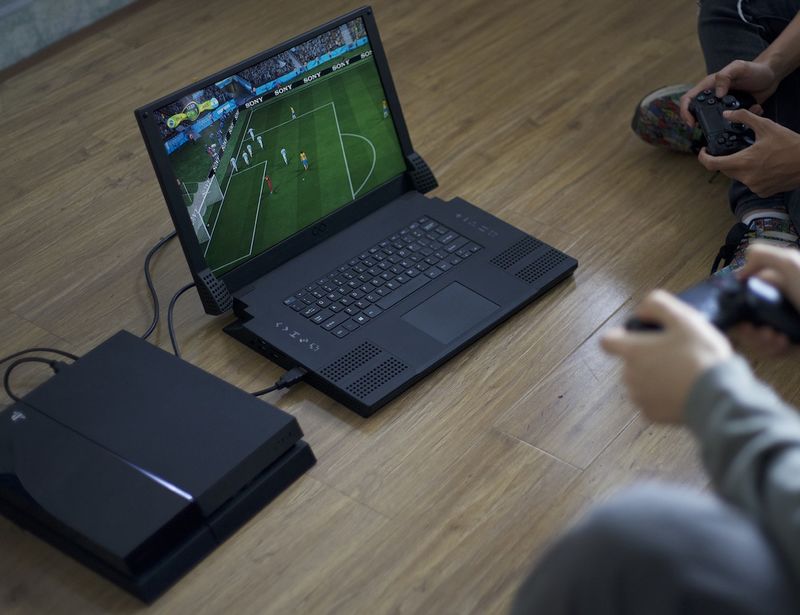
The 'XFINITUM' Hybrid Laptops Rely on Smartphones to Operate
The consumer electronics industry can leverage the trend of smartphone-powered computing to develop more cost-effective and energy-efficient hybrid laptops for mobile computing.
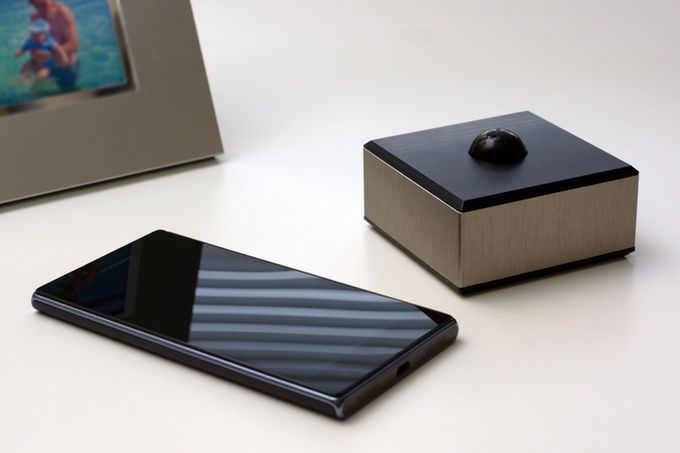
The 'Seas' Smart Home Security System Uses Old Devices to Work
Affordable, flexible, and no-internet options for home security systems.






