Category
Lifestyle
Assisted Choices
Brands overthrow consumer perceptions that higher costs mean higher quality.

Trend
Subversive Deception: Brands that are known to be more affordable are using various advertising platforms to intentionally deceive consumers into believing they are consuming products that are much more expensive than they already are. More than exposing the associations consumers often make that expensive and minimally branded products are higher in quality, these campaigns push to subvert those notions. This shift allows for brands that are associated with cheaper products or services to push past negative assumptions about the quality of their products, and reframe consumers' perspective – while still holding on to their consumer base and core values.
Trend themes
Brands deceive consumers through advertising to subvert notions of quality based on cost, granting them the opportunity to alter their consumer base's perspective while still holding on to core values.
Brands create guides and campaigns to distinguish their product from similar, more expensive products, granting them the opportunity to increase brand recognition and loyalty.
Brands market affordable, high-quality products that convey an at-home spa experience, granting them the opportunity to appeal to consumers searching for self-care rituals.
Industry implications
Producing sophisticated advertising to subvert consumer knowledge of product and elevate brand recognition.
Creating product guides and marketing campaigns to distinguish similar and affordable products from higher quality ones.
Marketing products and scents depicting a luxurious at-home spa experience that appeals to all consumers, including those unable to afford the more elitist options on the market.
Workshop question
Trend signals
Trend score 5.4 out of 10, from popularity 81%, activity 74%, freshness 8%.
Evidence
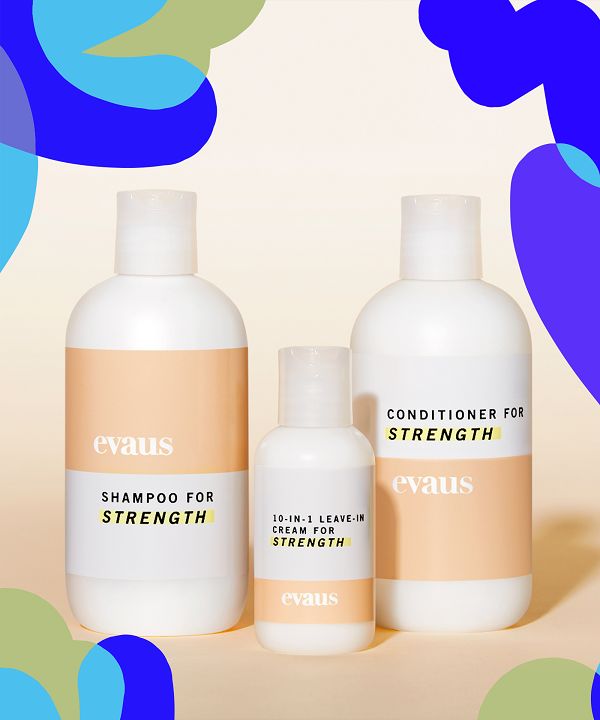
Suave Professionals Has Released a Creative Ad to Market Its Shampoo
Hair care brands can explore reverse branding techniques to challenge consumer perceptions of quality based on affordability.
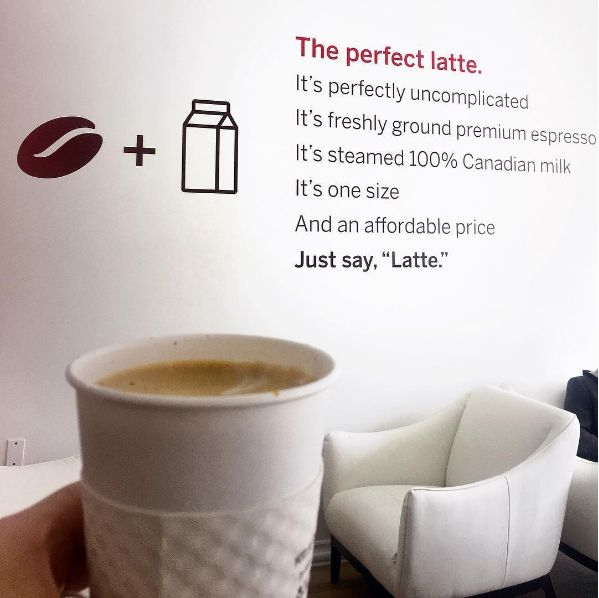
Tim Hortons Opened a Fake Cafe Called 'Perfectly Uncomplicated Lattes'
Coffee shop chains and independent coffee shops can explore unique branding strategies and experiential concepts to differentiate themselves and attract customers.
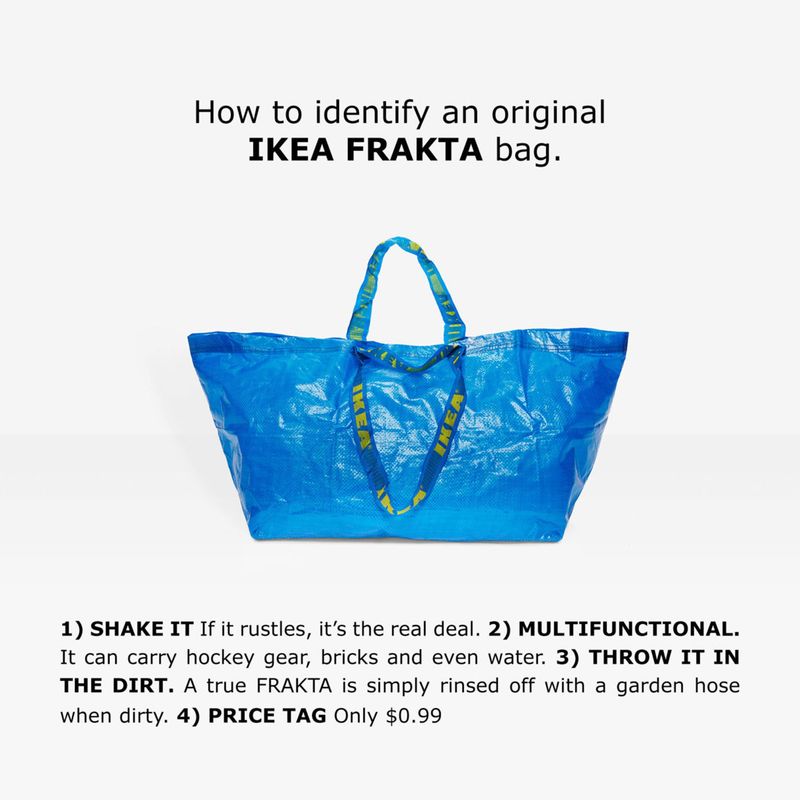
This Guide Distinguishes the IKEA Frakta from a High-Fashion Look-Alike
Fashion brands can leverage the trend of luxury knock-offs to create unique content and engage with consumers through humorous guides or campaigns.
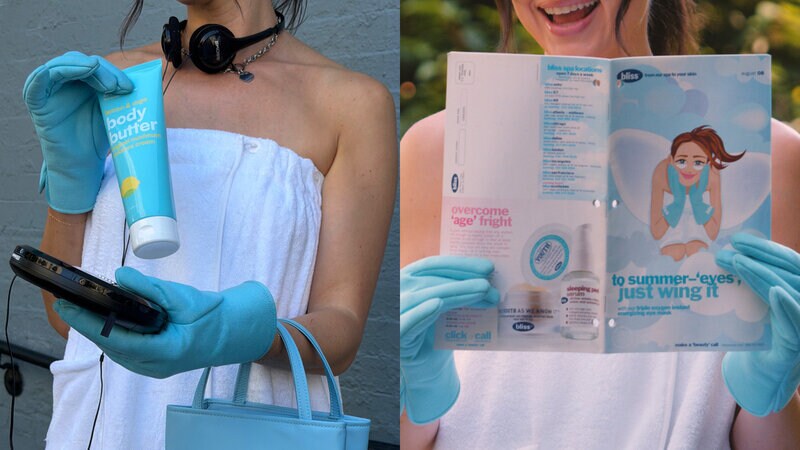
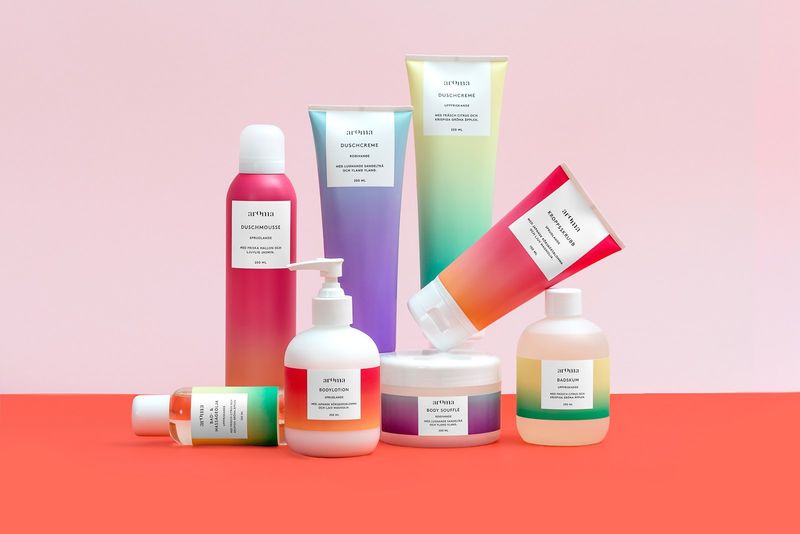
'Aroma' is a Line of Affordable Luxury Bath and Shower Products
The self-care products industry can explore disruptive innovation opportunities by offering affordable luxury options that prioritize sensory experiences and personalized scents.
The New McDonald's Item Celebrates the Mid-Autumn Festival in Asia
The culinary industry can explore the creation of high-end and gourmet menu items to cater to a wider range of customers.