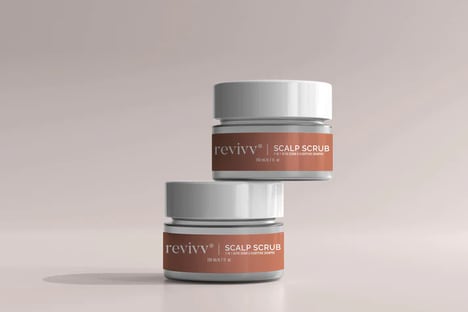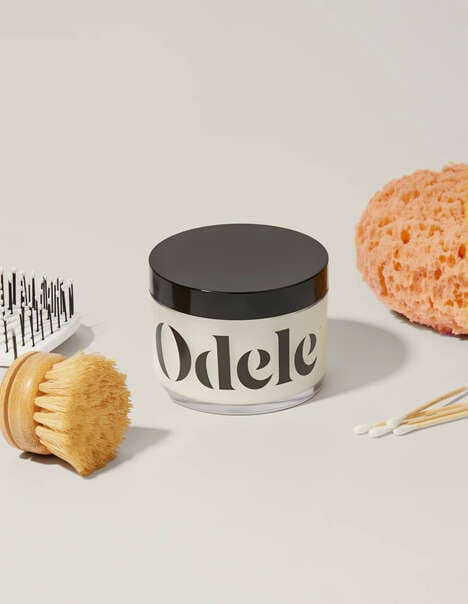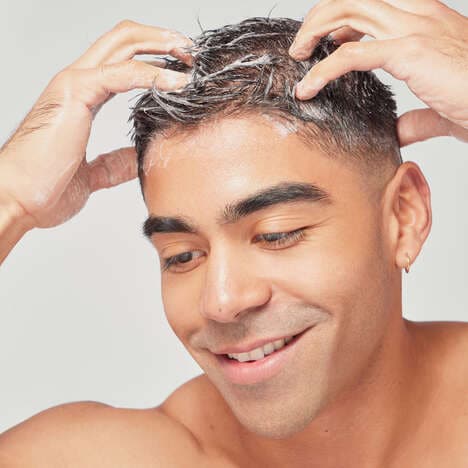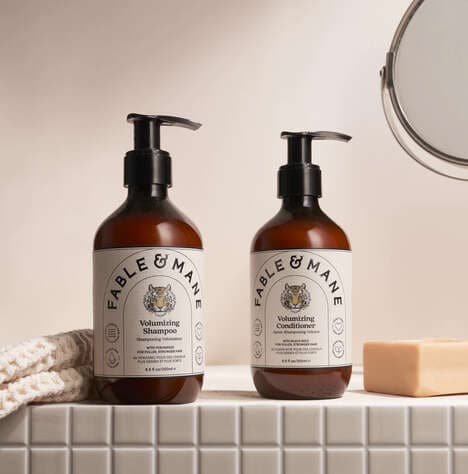
Exfoliation is a word that's commonly used to describe skincare products that help to slough away dry, dull skin, and now Aveda is putting this term to use for its Invati Exfoliating Shampoo.
Aveda explains that "Invati" means "invigorate" in Sanskrit, a is a fitting tie-in to the product that uses a blend of Ayurvedic herbs like ginseng and organic turmeric to promote the growth of thicker, fuller hair. Alongside these potent herbs, Aveda's unique shampoo also includes scents such as lavender, rosemary, geranium and more.
The cleansing, exfoliating shampoo also boasts salicylic acid derived from wintergreen as a key part of removing excess sebum and product residue that collects and clogs the pores, preventing the growth of healthy hair.
Key Themes Behind This Trend
- Ayurvedic Hair Care
- A growing trend in the beauty industry, Ayurvedic hair care products offer a natural and holistic approach to promoting healthy hair growth.
- Exfoliating Shampoos
- Exfoliating shampoos are becoming popular as consumers seek deeper scalp cleansing and removal of product buildup for healthier hair.
- Herbal Ingredients
- The use of herbal ingredients, such as ginseng and turmeric, in hair care products is on the rise, driven by the demand for natural and organic options.
Where This Applies
- Beauty and Cosmetics
- The beauty and cosmetics industry can leverage the trend towards Ayurvedic hair care products by developing innovative formulations that offer scalp exfoliation and natural hair growth support.
- Hair Care
- The hair care industry can embrace the trend of exfoliating shampoos by creating new product lines that cater to the demand for deep scalp cleansing and removing buildup.
- Natural and Organic
- The natural and organic products industry can capitalize on the use of herbal ingredients in hair care by developing innovative formulas that utilize traditional remedies and promote scalp health.