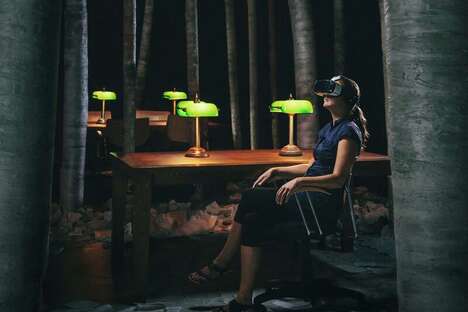
Biidaaban First Light was recently shown at the 2018 Tribeca Film Festival and showcased the power of VR with its masterful storytelling and design. The film was created in a joint venture between producer Lisa Jackson, the National Film Board of Canada, 3D artist Matthew Borrett and design agency Jam3. The parties involved in this project worked closely together to create a post-apocalyptic Toronto in a VR space and combined stunning artwork to showcase the city based on indigenous inspirations.
VR spaces are often associated with gaming, but works like Biidaaban First Light are pushing the boundaries of the technology and showcase its potential beyond video games. The use of VR immediately draws the viewer into a space in a way that conventional film cannot, and allows for a higher degree of interaction and observance within a created world. In the case of Biidaaban First Light, viewers were dropped into a stunning post-apocalyptic world all while the viewer inhabited a space no larger than an average room.
What Makes This Trend Stand Out
- Immersive VR Storytelling
- Creating immersive VR experiences that go beyond gaming can enhance the way we consume and interact with media.
- Indigenous-inspired VR
- Using VR technology to showcase and preserve indigenous art and culture is a trend with great potential.
- Post-apocalyptic VR
- Post-apocalyptic themes in VR create unique storytelling opportunities for filmmakers and interactive content creators.
Sectors Adopting This
- Film and Entertainment
- VR technology offers new ways for filmmakers and content creators to engage their audiences.
- Art and Culture
- Indigenous-inspired VR experiences have the potential to revolutionize the way we experience and preserve art and culture.
- Gaming and Interactive Media
- VR storytelling has potential to disrupt the gaming and interactive media industries with its ability to create immersive experiences.