Category
Tech
Delegated Interfaces
Brands raise awareness for disabilities by simulating the experience.

Trend
Experiential Empathy: It can be difficult for someone without a disability to relate to the daily experience of someone with one, prompting brands and artists to create tech-laden experiences that simulate aspects of being disabled. Such experiences not only raise awareness for the disability in question, but also help consumers to connect in a truly empathetic way. Brands that harness technology to mimic a given experience stand to provide consumers with a more authentic connection to their offering.
Trend themes
Brands and artists are using technology to simulate experiences such as memory loss or disabilities to raise awareness and create more empathy among consumers.
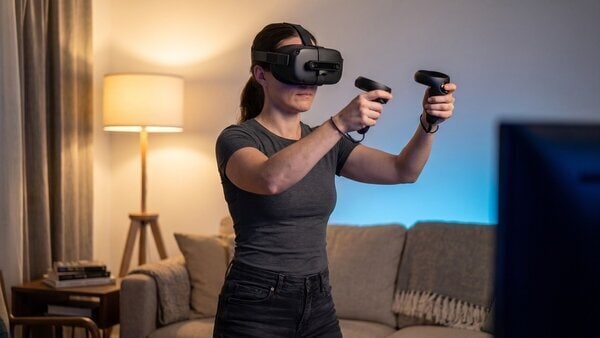
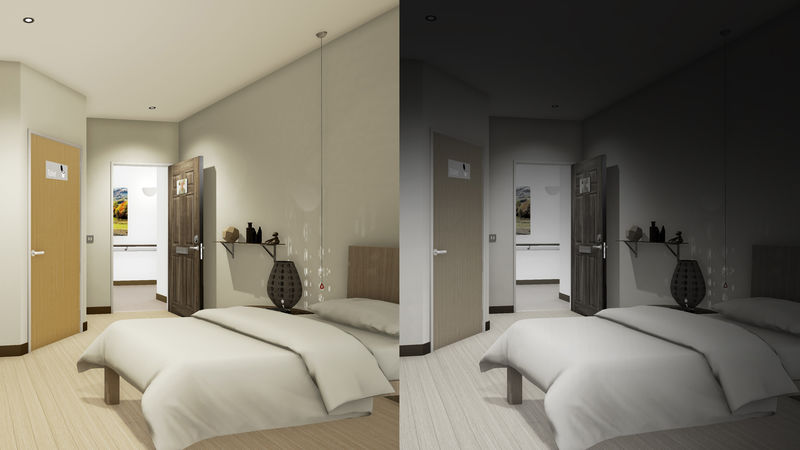
Virtual Reality tools and kits are being developed to help architects and designers to better understand the challenges faced by people with disabilities and design more inclusively.
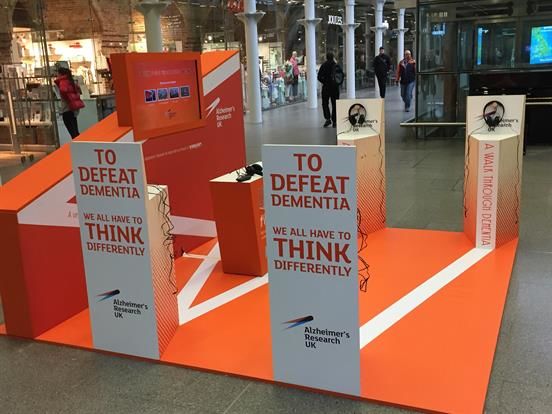
Businesses are using creative campaigns that disrupt the norm to raise awareness and funds for health issues such as Alzheimer's disease.
Industry implications
The architecture industry can benefit from trends such as virtual reality empathy to design long-term care homes, hospitals, or sheltered housing that accommodate people with disabilities.
Charities can use creative campaigns to raise awareness and funds for health issues such as Alzheimer's disease, as seen in the Day Shazam Forgot campaign.
The technology industry can use simulated experiences to create more authentic connections to their offerings, as well as develop tools such as dementia-focused VR to understand and address the challenges faced by people with disabilities.
Workshop question
Trend signals
Trend score 4.0 out of 10, from popularity 67%, activity 44%, freshness 8%.
Evidence
The Virtual Reality Empathy Platform Helps Architects Design Inclusively
Integrating virtual reality technology into the architectural design process to create more inclusive and dementia-friendly environments.
This VR Experience Shows What It's Like for People Living with Dementia
Opportunities for healthcare providers to improve patient care and training through the use of virtual reality technology.
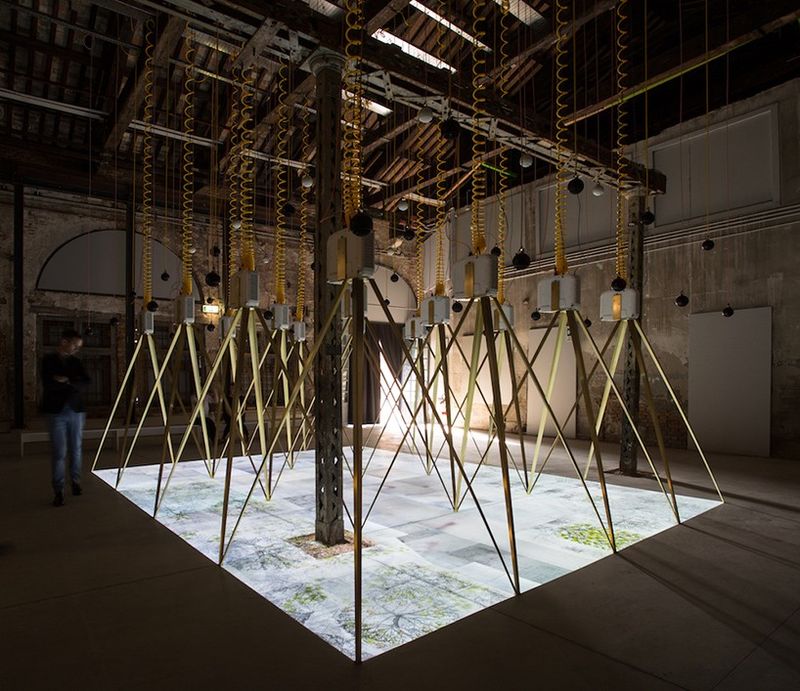
This Floor Plan Changes to Show the Struggle of Memory Loss
The architecture and design industry can explore innovative ways to create dementia-friendly spaces and buildings.
The Day Shazam Forgot Campaign Sought to Raise Awareness for Alzheimer's
There is an opportunity for healthcare organizations to partner with brands to educate consumers about important health issues and drive donations towards relevant research organi…
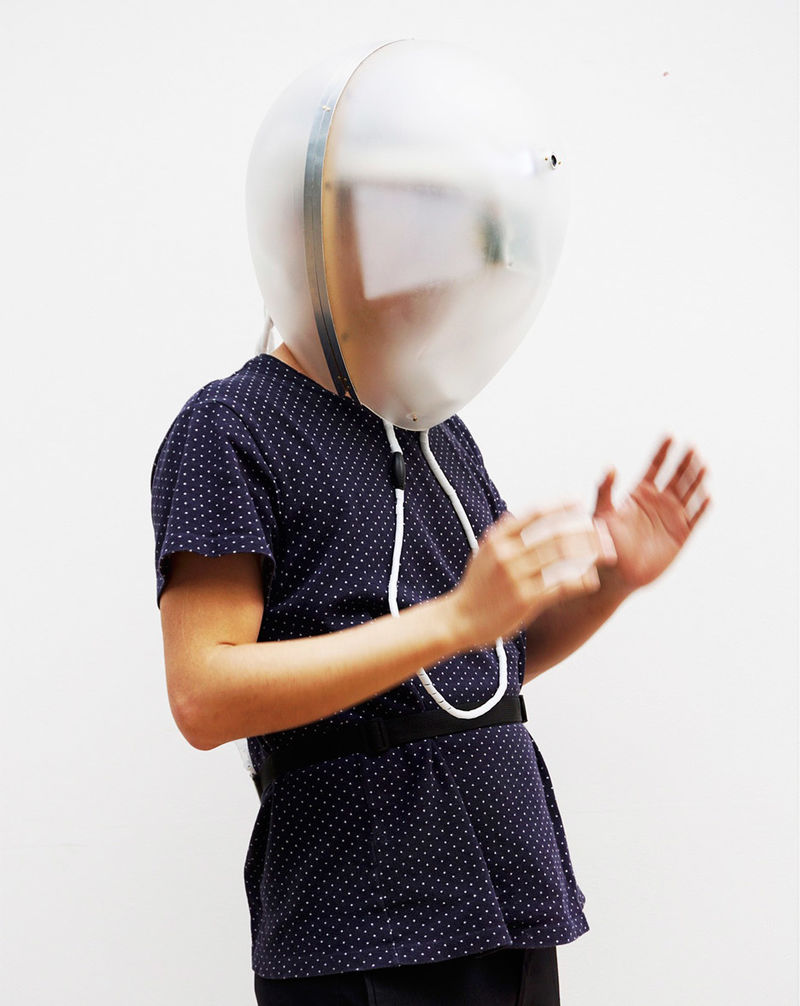
This Hi-Tech Helmet Enables People to Experience Dementia
Opportunity for healthcare providers and assistive technology companies to develop user-centric products and services for individuals with dementia.