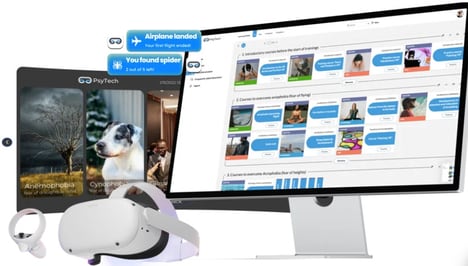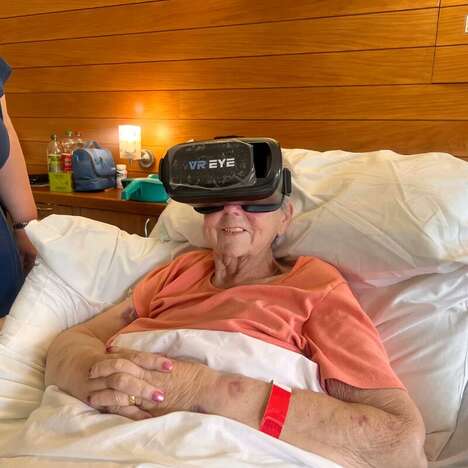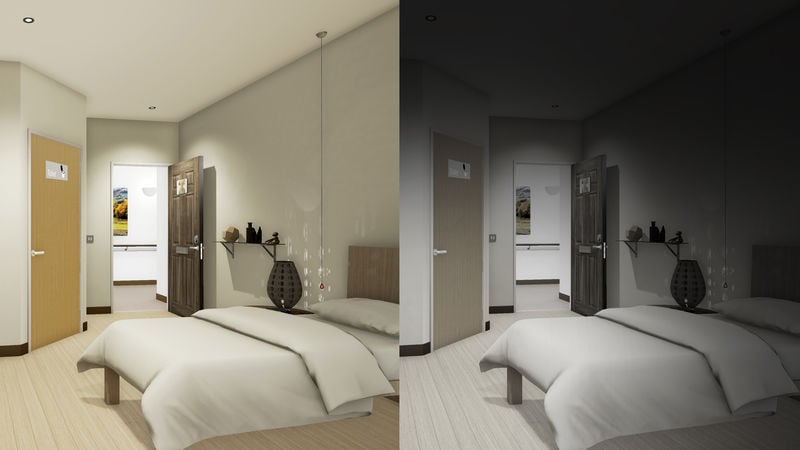
The built environment has a huge impact on how people with either physical or cognitive disabilities live on a day-to-day basis, and the new Virtual Reality Empathy Platform is a tool to make it easier for architects to design appropriately. The virtual reality kit, which includes a high-performance laptop, a virtual reality headset, a games controller, a camera, and specially designed software, helps architects and designers to better understand the challenges faced by people with dementia.
One of the biggest barriers when designing for a person with dementia is in understanding their impairment. While it is relatively easy to conceptualize the challenges faced by someone with a physical disability like vision impairment or mobility problems, dementia is a matter of perception. The Virtual Reality Empathy Platform gives an immersive, first-person experience of the symptoms of dementia in a virtual environment, helping architects to recognize the design strategies they should implement when building long-term care homes, hospitals, or sheltered housing.
Why This Trend Is Growing
- Virtual Reality Empathy
- Using virtual reality to create empathy and understanding for people with dementia in the built environment.
- Inclusive Design
- The importance of designing buildings and spaces that are accessible and supportive for individuals with disabilities, including dementia.
- Perception-based Challenges
- Understanding and accommodating the unique challenges faced by individuals with dementia in the design of living spaces.
Industries Being Reshaped
- Architecture and Design
- Integrating virtual reality technology into the architectural design process to create more inclusive and dementia-friendly environments.
- Healthcare
- Applying the Virtual Reality Empathy Platform to design better long-term care homes, hospitals, and other healthcare facilities for individuals with dementia.
- Technology and Software
- Developing specialized software and tools to support architects and designers in creating dementia-friendly spaces using virtual reality technology.