
PsyTechVR's Version 2.0.7 represents a significant advancement in AI-enhanced virtual reality therapy. The update introduces several key improvements, including automated session planning through the upgraded MindGap AI, which is said to streamline therapy customization while reducing preparation time for practitioners. Enhanced EMDR protocols now provide finer control over therapeutic parameters like movement amplitude and pacing, alongside new features designed to minimize nausea, which has been identified as a critical consideration for telemedicine applications.
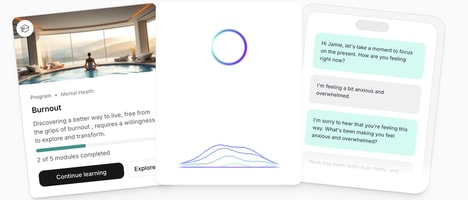
The addition of specialized OCD exposure modules, particularly the 'Clutter' category, demonstrates the virtual reality therapy platform's commitment to addressing niche therapeutic needs. These refinements are complemented by interface optimizations, such as intuitive sound effect controls and nature-inspired mindfulness icons — features intended to enhance usability and emotional engagement during sessions.
Image Credit: PsyTechVR
Why This Trend Is Growing
- Automated Therapy Customization
- AI-driven session planning enables therapists to easily tailor virtual reality therapies, effectively decreasing setup time and increasing personalization.
- Immersive Telemedicine Solutions
- Advancements in VR technology aim to reduce common issues like nausea, enhancing patient experience in remote therapeutic environments.
- Niche-specific Therapy Modules
- Targeted OCD exposure treatments via VR showcase the growing potential for specialized mental health interventions.
Industries Being Reshaped
- Digital Health Platforms
- As virtual therapy tools evolve, digital healthcare providers are positioned to deliver more comprehensive and accessible mental health services.
- Mental Health Technology
- The integration of AI in mental health tools is redefining therapeutic practices, offering new avenues for treatment and patient interaction.
- Virtual Reality Development
- The need for intuitive and engaging interfaces is driving demand in the VR industry, pushing advancements that benefit therapeutic applications.