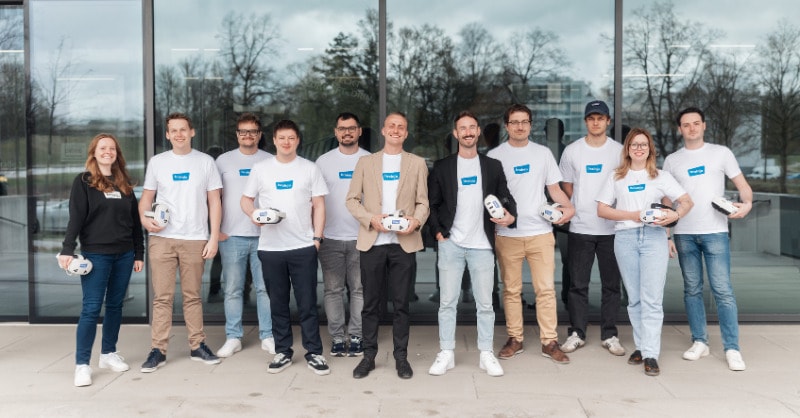
Brainjo, a Regensburg healthtech startup founded in 2022, launched a prescribable VR-based digital health app (DiGA) for children with ADHD, featuring immersive therapy exercises and a reward system to boost engagement.
The company closed a €2 million seed round led by High-Tech Gründerfonds to fund clinical trials and regulatory steps toward reimbursement. The platform was built in partnership with MEDICE and translates validated therapy tasks and homework into virtual environments where children practice coping skills in game-like scenarios. A roughly 100-child clinical study is already underway to generate the evidence needed for DiGA approval by 2028 and for doctors to prescribe the app.
For families, the solution aims to reduce wait times and improve adherence by making therapy accessible at home; the deeper immersion of VR is positioned as a clinically relevant way to maintain engagement versus app-only training tools.
Image Credit: Brainjo
Why This Trend Is Growing
- Prescribable VR Therapy
- A regulatory-backed pathway for physicians to prescribe immersive VR programs as clinically validated treatments that can substitute or augment traditional therapy sessions.
- Gamified Clinical Interventions
- Therapeutic curricula translated into game-like scenarios and reward systems that sustain pediatric engagement and generate usage data tied to clinical outcomes.
- Home-based Reimbursable Digital Therapeutics
- Clinically evaluated at-home digital treatments that are positioned for payer reimbursement and aim to reduce wait times while maintaining adherence outside of clinics.
Industries Being Reshaped
- Pediatric Mental Health Care
- Delivery models for child and adolescent therapy that incorporate prescribable digital tools, changing session formats and clinician roles around remote, evidence-based interventions.
- Health Insurance and Reimbursement
- Payer systems that evaluate and potentially cover validated digital therapeutics, reshaping reimbursement criteria to include software-driven clinical efficacy and long-term outcomes.
- VR Content Development for Healthcare
- Specialized studios producing medically grounded immersive experiences that translate validated therapy tasks into engaging virtual environments and interoperable clinical data streams.