



Category
Lifestyle
Assisted Choices
Waste-reducing pop-ups highlight environmental consumerism.

Trend
Reduced Pop-Up: Brands in the fashion and food industries are creating pop-up shops that highlight their products while producing zero or reduced waste. This shift comes as brands within this space aim to differentiate themselves from the negative environmental impact that's associated with their industries, while catering to the rise of eco-conscious consumerism.
Insight
As consumers better understand the impact that their lifestyles have on the environment and ongoing climate crisis, they're becoming more conscientious about how they spend their money, and which brands they give it to. For the modern consumer, brands that prioritize sustainability in all aspects of their business–including in their brick-and-mortar locations–are best aligned with their personal values.
Trend themes
Brands are increasingly creating pop-up shops that feature zero or reduced waste, catering to eco-conscious consumerism.
Pop-up shops are utilizing reusable and upcycled products to promote sustainability and environmentalism.
Pop-up shops and street food trucks are serving menu items made with commonly wasted food items to promote food waste reduction.
Industry implications
Fashion brands are creating zero-waste pop-up shops and utilizing sustainable materials to reduce environmental impact.
Food brands are creating zero-waste pop-up shops and street food trucks that promote food waste reduction and offer sustainably-sourced ingredients.
Cleaning product brands are creating pop-up shops and cafes that promote waste reduction and offer eco-friendly alternatives to traditional cleaning products.
Workshop question
Trend signals
Trend score 5.2 out of 10, from popularity 80%, activity 69%, freshness 9%.
Evidence
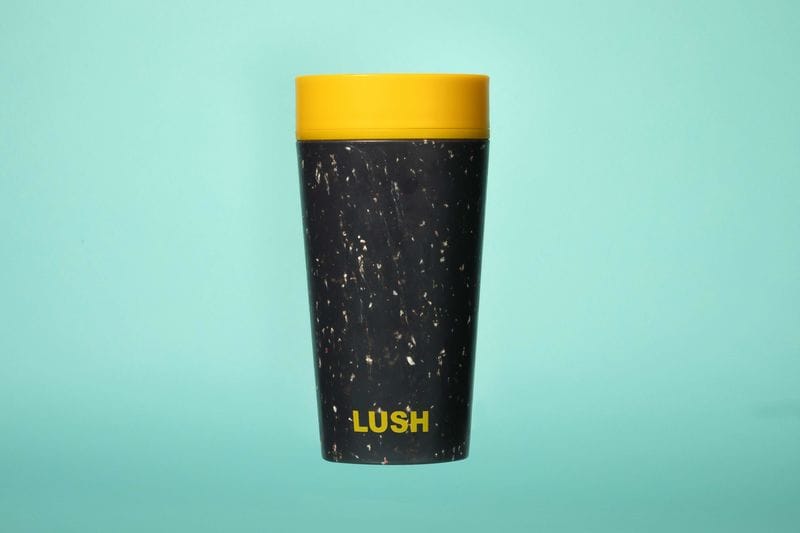
The Lush x Change Please Pop-Up Discourages Single-Use Plastic Waste
The food and beverage industry can explore opportunities to develop and market reusable and sustainable alternatives to reduce single-use plastic waste.
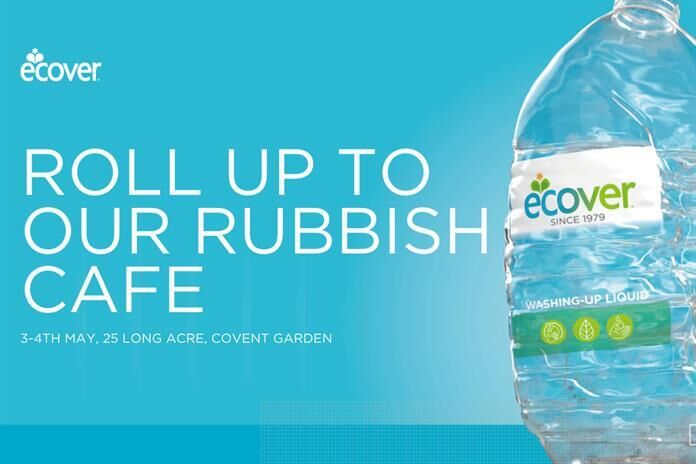
Ecover's Cafe Will Only Accept Recyclable Plastic as Payment
The food and beverage industry can leverage zero-waste dining concepts to cater to eco-conscious consumers and differentiate themselves in a crowded market.
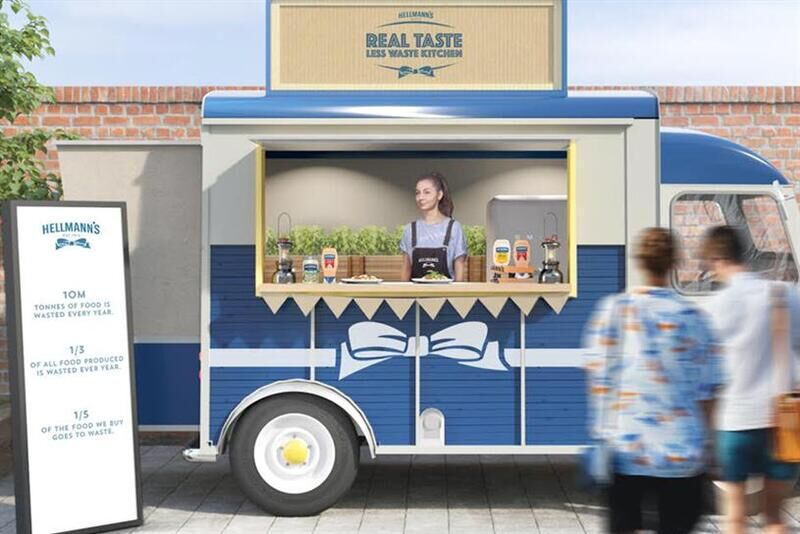
Hellmann's Created a Menu with Commonly Wasted Food
The food and beverage industry can explore food waste reduction initiatives and create innovative menu items with commonly wasted ingredients for greater environmental sustainabil…
Courregès' 'Fin de Plastique' Marks the Brand Phasing Out Plastic
The industry could innovate and research extensively to find eco-friendly alternatives to vinyl and other plastics that are harmful to the environment.






