
Category
Lifestyle
Assisted Choices
Food and beverage brands are increasingly marketing regenerative ingredients.

Trend
Regenerative Branding: Regenerative agriculture is an eco-conscious conservation and rehabilitation approach to food and farming systems. As the climate is a growing concern for consumers, brands are increasingly flagging regenerative ingredients when marketing their product ranges.
Insight
The contemporary consumer is increasingly conscious of production practices and their toll on communities and the environment. As a result, a growing number of individuals are emphasizing the need for more serious and sustainable practices throughout, and establish this as a driving force when making purchasing decisions. When opting-in for products that cause as little harm to the environment as possible, consumers feel confident and better about themselves.
Trend themes
As the climate is a growing concern, brands are increasingly flagging regenerative ingredients when marketing their product ranges.
Brands are partnering with regional purveyors and using traceable ingredients to create eco-friendly products that also support local communities.
Brands are striving to create a new category of food called climate-friendly food by using regeneratively grown ingredients and emphasizing their sustainable and eco-friendly production practices.
Industry implications
The food and beverage industry is increasingly focused on using sustainable and environmentally friendly production practices.
Brands are partnering with climate activism organizations and movements to promote eco-friendly products and practices.
The use of traceable and transparent sourcing practices is becoming more important across industries as consumers seek more accountability from companies.
Workshop question
Trend signals
Trend score 4.0 out of 10, from popularity 67%, activity 44%, freshness 9%.
Evidence
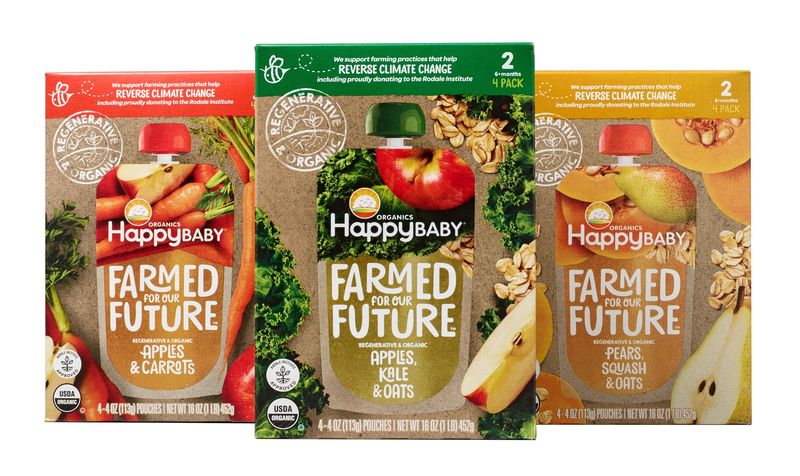
Happy Baby Organics' Baby Food Supports Regenerative Agriculture
The baby food industry can leverage regenerative farming practices to offer healthier and more sustainable options for infants.
Moonshot's Crackers are Made with Regeneratively Grown Ingredients
The food and beverage industry has opportunities to develop and market products that use regeneratively grown ingredients and promote environmental sustainability.
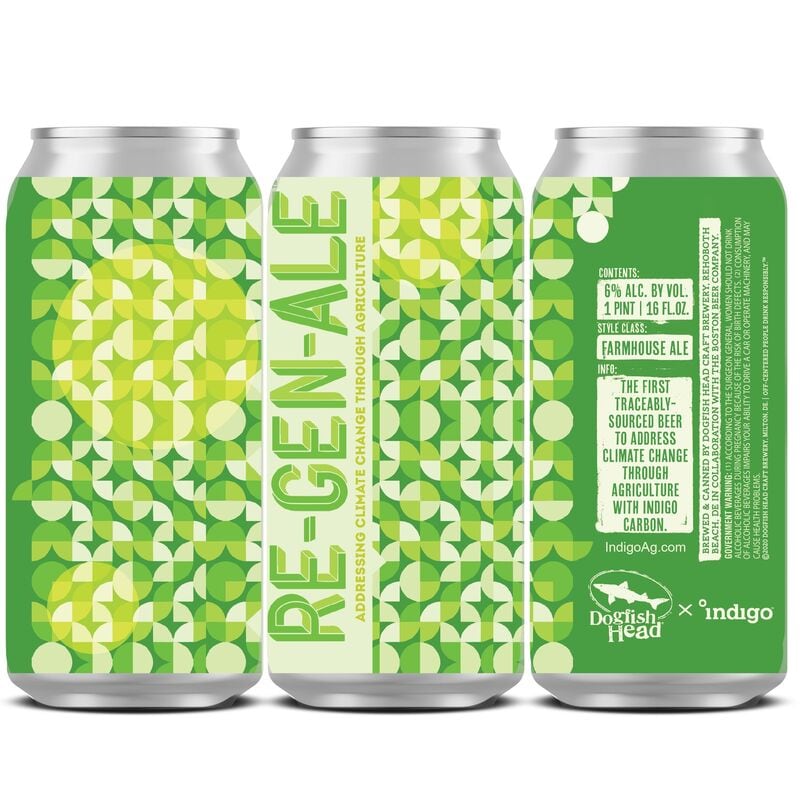
Dogfish Head Craft Brewery's Re-Gen-Ale Addresses Climate Change
Craft breweries can incorporate traceable and sustainable ingredients into their beers to create a unique eco-friendly offering and differentiate themselves from larger beer compa…
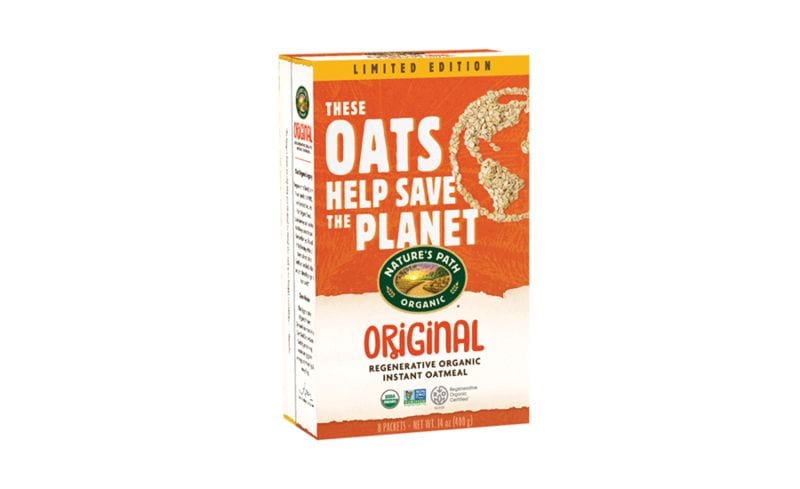
The Nature’s Path Regenerative Organic Certified Instant Oatmeal is Eco
The food and beverage industry can explore and implement regenerative agriculture practices to create more sustainable products.