Category
Lifestyle
Assisted Choices
To parallel the wellness craze, brands introduce kid-centric health aids.
Trend
Probiotic Youth: As Millennials enter adulthood, their tendency to prioritize personal health and wellness is reflected onto their children. This manifests specifically with probiotic supplements for developmental reasons. This signifies a new approach toward parenthood and health in general that skews toward age specificity.
Trend themes
Brands are introducing health aids for kids that focus on age-specific health to reflect the Millennial trend of prioritizing personal wellness onto their children.
Consumers seek out nutrient-dense foods and drinks that offer health benefits beyond the basic nutritional content, leading to the introduction of probiotics and functional foods in various products.
Rise in healthy eating habits has prompted consumers to see added sugars as something to avoid, and seek out non-dairy options with little-to-no added sugars for a refreshing and nourishing snack.
Industry implications
Brands are introducing age-specific health products with functional nutrients and probiotics to reflect the growing trend of prioritizing personal wellness onto their children.
The introduction of products with probiotics and added nutritional value in dairy-based and non-dairy-based snacks and drinks has prompted a shift towards nutrient-dense foods.
Introducing probiotics to infant formulas and other child-specific health products are part of the growing trend towards preventative healthcare to support the digestive and immune systems of young children.
Workshop question
Trend signals
Trend score 2.9 out of 10, from popularity 38%, activity 40%, freshness 8%.
Evidence
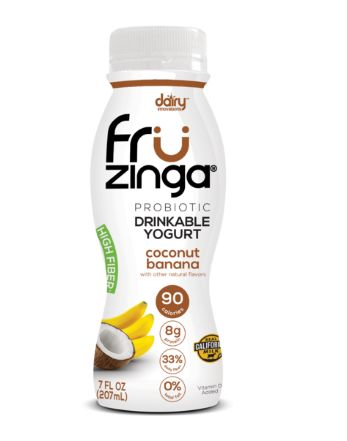
Fruzinga's Yogurt Bottles Introduce a New Wave of Functional Dairy
Opportunity for dairy companies to expand their product lines by introducing drinkable probiotic yogurts for adults.
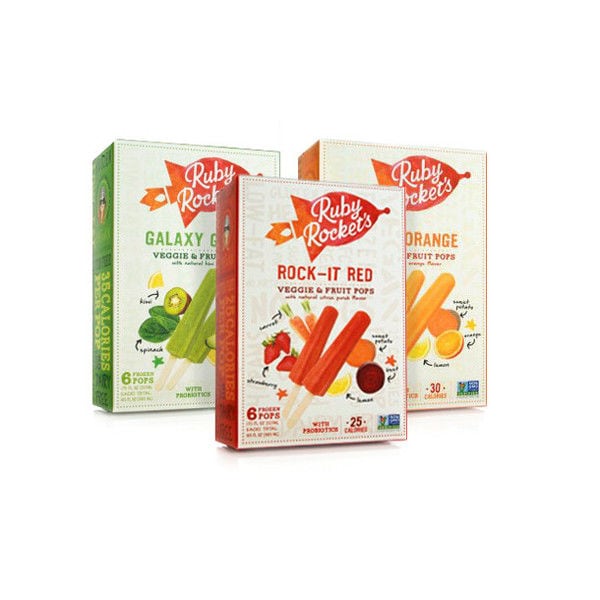
Ruby Rockets are Powered by Fruits, Veggies and Dairy-Free Probiotics
The frozen snacks industry can explore the development of puree popsicles as a healthier alternative to traditional popsicles with added sugars.
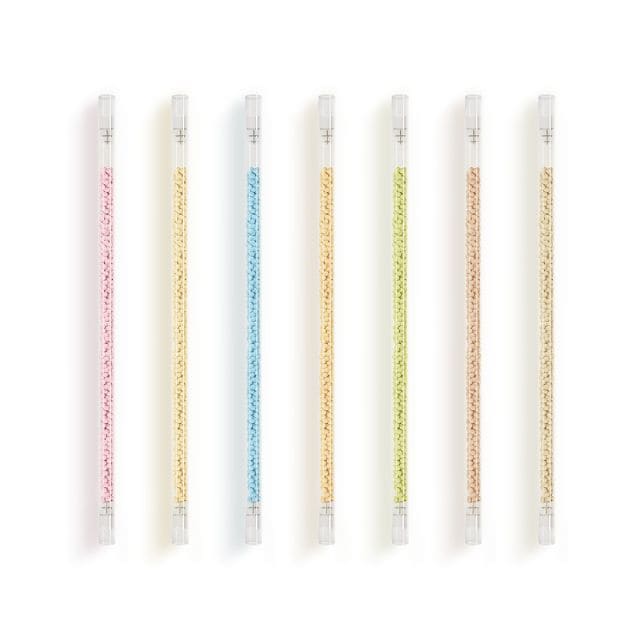
Tubulars' Straws Infuse Plain Milk with Tasty Flavors
Beverage companies can explore the market for flavor-infusing straws to meet the demand of consumers seeking convenient and customizable beverage options.
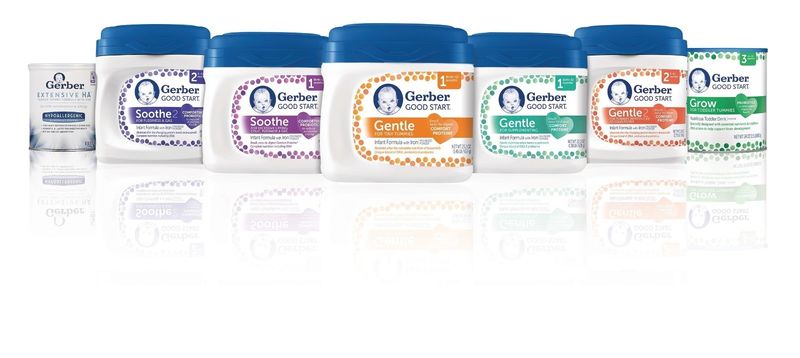
The Gerber Good Start Milk-Based Powder is Enriched with Probiotics
Opportunity for infant formula brands to differentiate themselves and tap into the growing demand for probiotic-infused products.
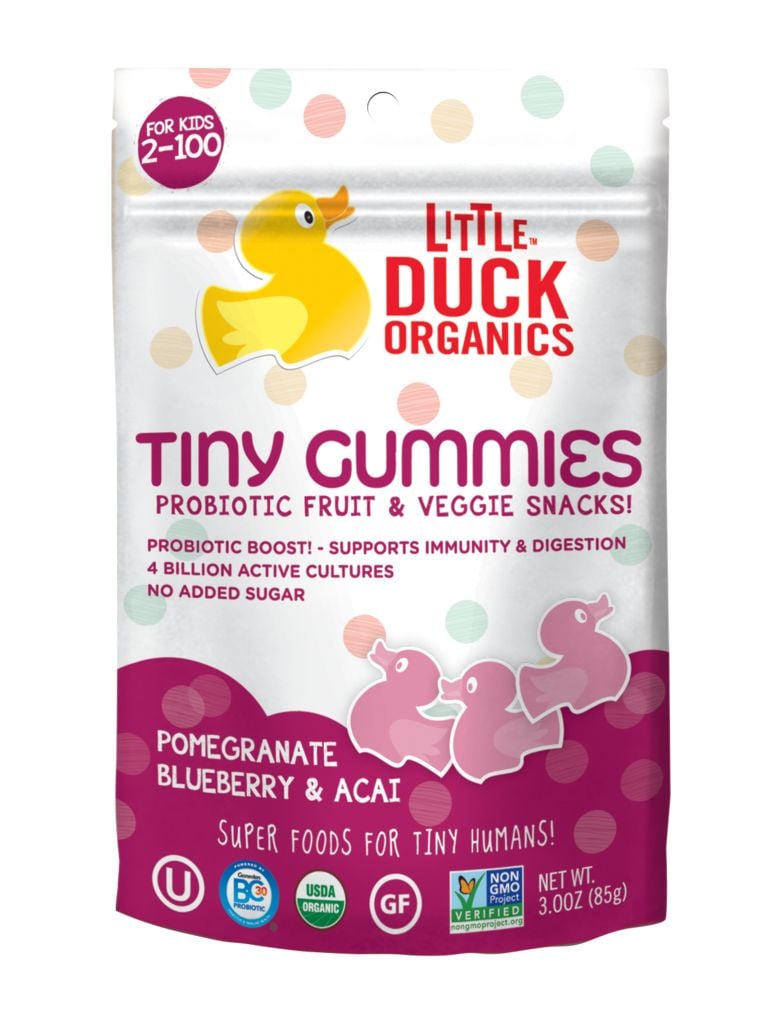
The Tiny Gummies are Made with Active Cultures to Support Digestive Health
Introducing probiotic-infused snacks to the food and beverage industry to cater to health-conscious consumers.