
Category
Lifestyle
Assisted Choices
Consumers plan meals using systems that avoid food waste.


Trend
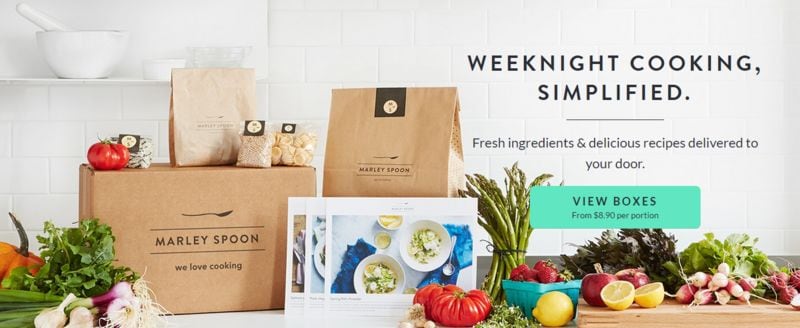
Recipe-Regulated Living: Consumers are embracing services that enable them to purchase ingredients portioned per recipe in order to avoid unnecessary food waste and that tap into the desire for hyper-convenience. This progression to recipe-restricted purchasing represents the desire for simplicity and curation, as well as the interest in living sustainably.
Trend themes
Consumers are embracing services that enable them to purchase ingredients portioned per recipe to avoid food waste and that tap into the desire for hyper-convenience.
Subscription services are providing recipes for large families, providing a hassle-free dinner solution for busy families.
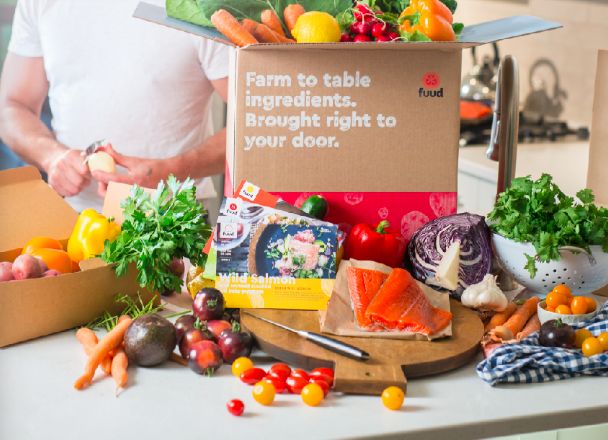
Meal delivery services are focusing on sharing ready-to-cook kits prepared with seasonal and local farm-to-table ingredients, helping consumers support local farmers.
Industry implications
Grocery stores can expand their offerings to include recipe kits and ingredient stations for consumers looking for convenience and no food waste.
Meal delivery services can tailor their offerings to suit families or use locally sourced ingredients to appeal to ethically minded customers.
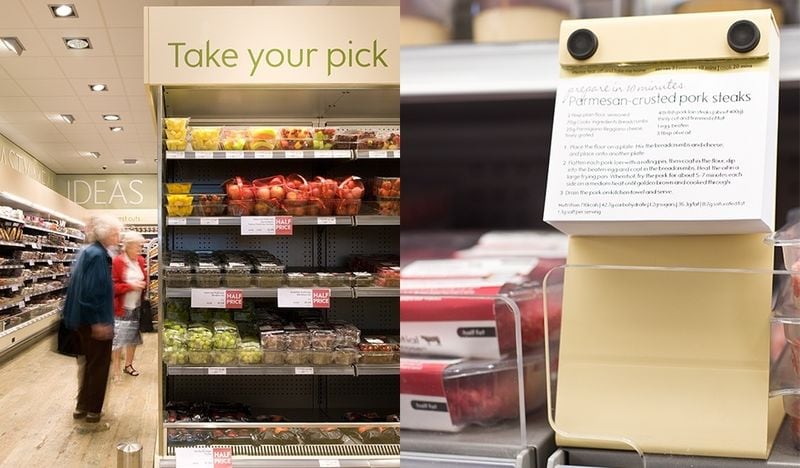
Retail design agencies can create in-store fixtures that feature recipe cards to give food buyers access to gourmet meal ideas without added cost.
Workshop question
Trend signals
Trend score 4.5 out of 10, from popularity 68%, activity 60%, freshness 8%.
Evidence
This Store Will Allow Shoppers to Buy Recipe Kits and Ingredients
Introducing recipe kit retail stores can disrupt the traditional grocery retail model.
Waitrose's In-Store Shelving Shares Meal Ideas with Shoppers
Grocery stores can disrupt the market by incorporating recipe cards and ingredient information in their retail displays, appealing to foodies and at-home cooks.
'Fuud' Makes and Delivers Ready-to-Cook Farm-to-Table Meals
The food delivery industry has an opportunity to expand its offerings by partnering with local farmers and chefs to create new, unique and sustainable meal options.
This Service Provides Recipes for Large Families
Disruptive innovation opportunities for subscription-based services that provide meal plans and recipes for large families.
Feastive Mails Consumers a Complete Dinner Party
The food delivery industry can explore the expansion of services to cater for group meals and dinner parties.