



Category
Lifestyle
Assisted Choices
Pickle-flavored sweet treats offer a tart take on dessert.
Trend
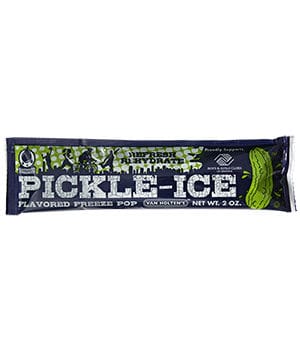
Dill Dessert: Taking the classic sweet and salty combination to new heights, snack brands are branching out in the form of pickle-flavored desserts. Highlighting the pervasive nature of novelty food and beverage flavors, this progression speaks to the ability of even the most eccentric experiences to achieve mainstream status.
Trend themes
The pervasive nature of novelty food and beverage flavors has led to pickle-flavored desserts--a unique trend that speaks to the ability of even the most eccentric experiences to achieve mainstream status.
Using pickle juice as a base ingredient in a range of dessert and beverage products, such as pickle juice slushies or freeze ice pops, presents an opportunity for businesses to tap into the growing demand for savory and tangy flavors in unexpected places.
Combining sweet and savory flavors, such as dill pickles with ice cream or slushies, can offer a unique and delightful experience for adventurous foodies. This opens up opportunities for creativity in product development and flavor experimentation across the food and beverage industry.
Industry implications
The food and beverage industry can explore using savory and tangy flavors, such as pickle juice, in desserts, freeze ice pops, slushies, and cocktails to create unique and unexpected experiences for consumers.
With the introduction of electrolyte-rich pickle juice freeze ice pops, health and wellness businesses can explore incorporating lesser-known benefits of pickle juice into sports recovery products and other health-related items.
Pickle-flavored desserts and slushies add a unique and fun twist to restaurant and cafe menus, giving businesses in the hospitality and tourism industry an opportunity to differentiate themselves by offering unexpected flavor combinations.
Workshop question
Trend signals
Trend score 2.7 out of 10, from popularity 45%, activity 27%, freshness 8%.
Evidence
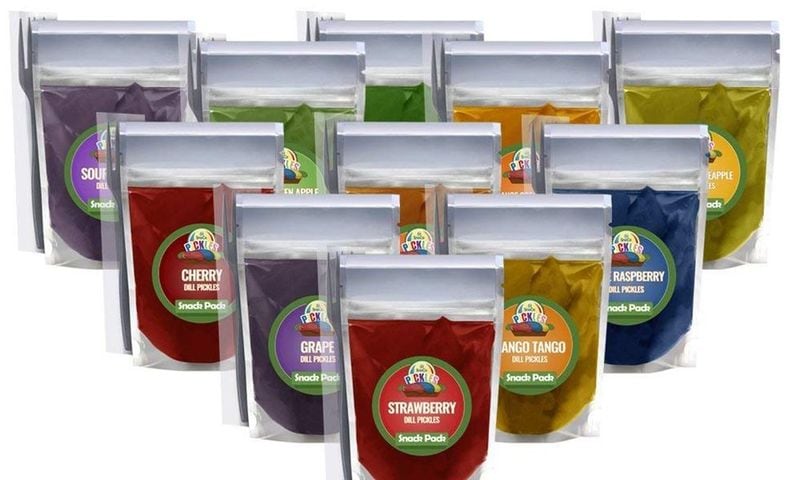
The SnoCo Pickles Brand Creates Snack Packs of Fun-Flavored Pickles
The food and beverage industry can offer innovative and unique snacks by experimenting with unconventional flavor profiles.
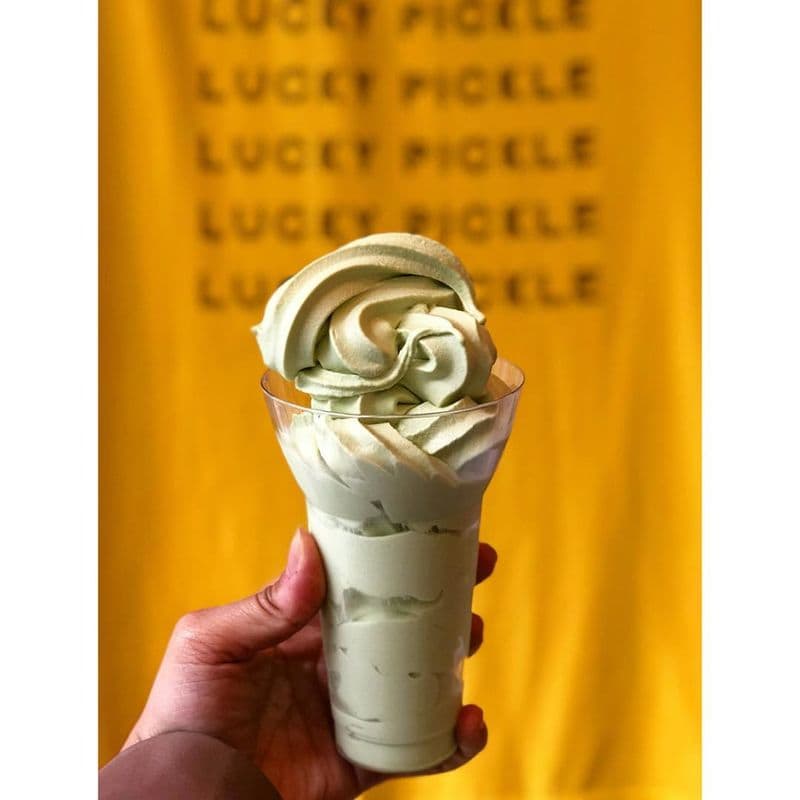
Lucky Pickle Dumpling Co. Offers a Pickle-Flavored Chilled Dessert
The food and beverage industry can capitalize on the trend of pickle-flavored desserts and pickle-centric products by creating innovative and diverse pickle-infused menu items and…
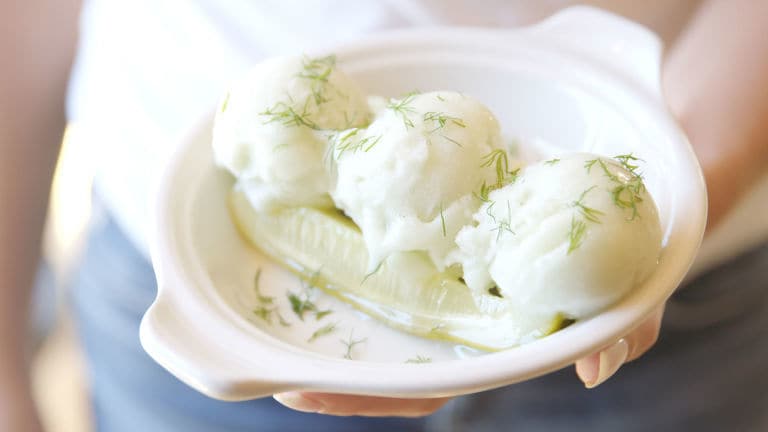
Salt & Straw's Dill Pickle Sorbet is a Pickle Lover's Dream Dish
Companies that manufacture ice cream and sorbet can innovate and expand their offerings to cater to consumers who prefer unique and unconventional flavors.
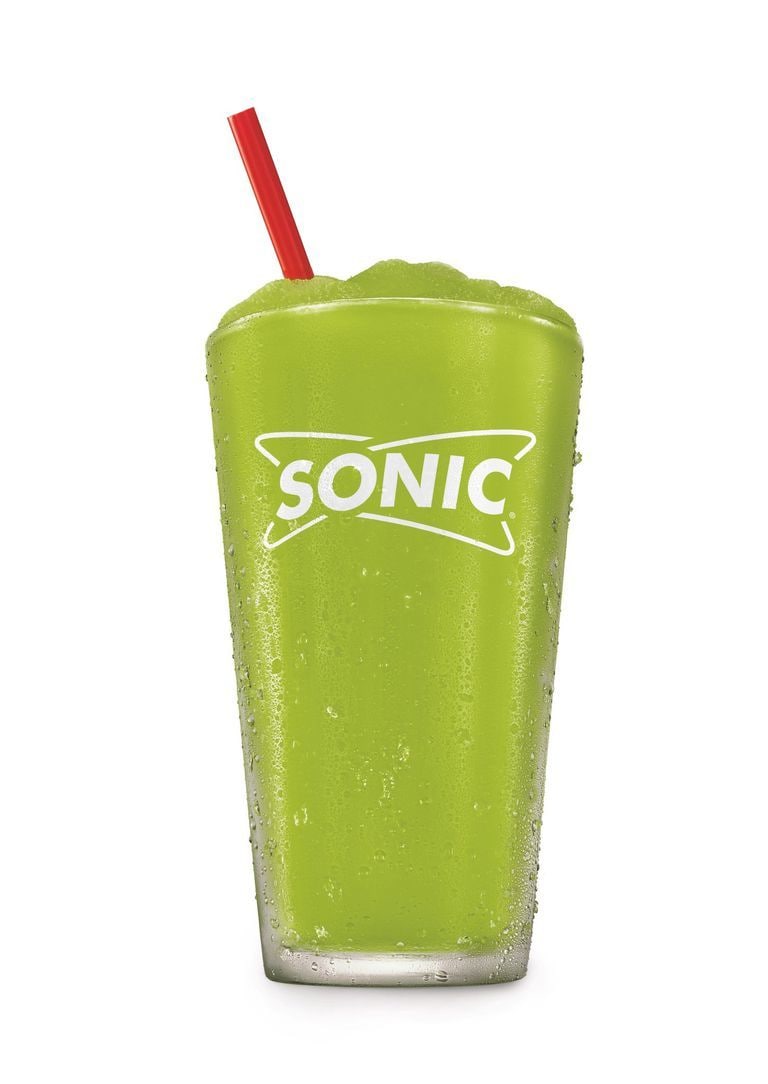
Sonic Will Be Adding a Pickle Juice Slush to Its Summer Menu
The food and beverage industry has a chance to expand their product offerings by creating more unconventional flavors and options to cater to changing consumer preferences.
Van Holten's Freeze Ice Pops are Made with Pickle Brine
The sports recovery freeze pops present disruptive innovation opportunities in the sports nutrition industry, offering a convenient and tasty way for athletes to replenish electro…
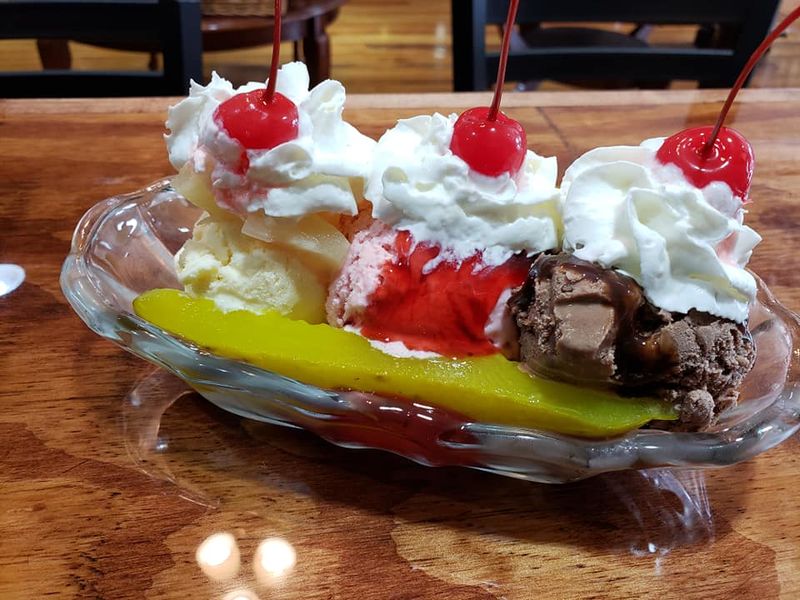
This Missouri Coffee Shop is Serving Up a Tangy 'Pickle Split' Dessert
Developing new menu items and flavor profiles to cater to diverse consumer preferences.






