
Category
Eco
Living Barriers


What's Happening
Polluted Artwork: By reforming debris, waste, and other pollution into artistic platforms, artists are able to create more visceral connections between the audience and their consumption habits. For a cause that can be difficult for consumers to connect with due to its "out of sight, out of mind" nature, this emotive messaging can be very impactful.
Evidence
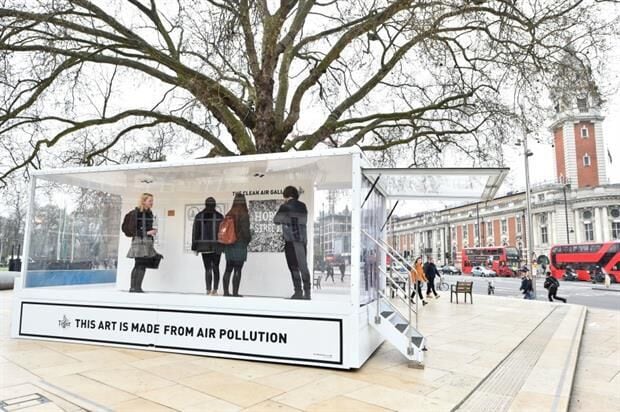
This Pop-Up Gallery Exclusively Features Art Made with Air Pollution
Incorporating air pollution art into mainstream art galleries, creating new marketing opportunities and attracting eco-conscious consumers.
These Student-Created Popsicles are Made Out of Sewage
Environmental organizations and schools can leverage this trend to spread awareness and promote sustainable practices.
These Awareness-Raising Billboards Were Made with Air-Ink Technology
Air-Ink and KAALINK device create potential for an eco-friendly platform for brands to advertise on.
This Art Exhibition Features Pieces Made from Dirty River Water
Advocacy organizations can utilize the power of art to raise awareness for environmental issues, and promote initiatives for clean water.
These Ink Items Were Designed to Make a Statement on Air Quality
The development of pollution-made ink products opens up new avenues for sustainable and socially conscious art supplies.
Workshop question
How can your brand connect with its consumer base in a way that reframes their perspective?
Trend themes
Artists use debris, pollution and other environmental issues to create thought-provoking art that inspires behavioral change and a shift in environmental attitudes.
Pollution-based materials have been used to create innovative products for creative applications, such as ink, art pieces, and more.
Socially conscious art-based exhibitions and projects are a strategic way to promote awareness on the importance of environmental sustainability.
Industry implications
The arts play an important role in expressing and promoting environmental responsibility and creating awareness on the impact of human interaction with the environment.
Environmental audit and compliance services have been gaining prominence over the years, as more companies and individuals consider sustainability and find ways to become more environmentally responsible.
The use of sustainable materials in ink manufacturing and art production, along with green technology allows for the creation of eco-friendly products that have both commercial and environmental benefits.
Trend signals
Trend score 4.1 out of 10, from popularity 66%, activity 48%, freshness 8%.