
Category
Tech
Delegated Interfaces
Employers cater to the flexible work practices preferred by Millennials.

Trend
Flex Workplace: With Millennial work preferences revolving around flexible schedules, businesses are employing various tools that allow them to manage and coordinate the diversity of their workforce's' working styles. This shift allows for employees to maintain a healthy work-life balance, while ensuring that employers are able to create a more productive business–with the added benefit that these adaptive work schedules function as a key recruitment tool.
Trend themes
As employers shift towards catering to Millennials' focus on work-life balance, there is an opportunity for disruptive innovation in the form of new software and tools that allow for this flexibility.
With the increasing number of remote teams, there is a disruptive innovation opportunity for project management tools that streamline communication and tracking of progress on tasks.
As job seekers continue to demand more work flexibility, there is an opportunity for disruptive innovation in the form of job boards and platforms that cater to this demand and offer more than just a traditional 9-5 job.
Industry implications
HR tech companies can capitalize on the trend of flexible work practices by developing software and tools that help employers manage and coordinate diverse work schedules and work styles.
Companies that specialize in project management tools can capture the trend of remote team management by developing software that streamlines communication and tracking of progress across different time zones and locations.
Job board companies can take advantage of the trend of flexible job platforms by creating websites and apps that cater to job seekers looking for work that offers more than just a traditional 9-5 job.
Workshop question
Trend signals
Trend score 2.6 out of 10, from popularity 42%, activity 27%, freshness 8%.
Evidence
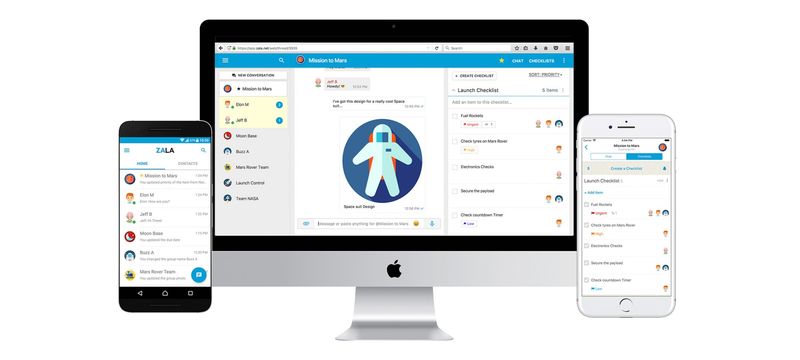
This Work App for Collaboration Helps Teams Communicate and Work Well
Disruptive innovation opportunity: Develop task management software focused on collaboration, file sharing, and checklist functionality for teams.
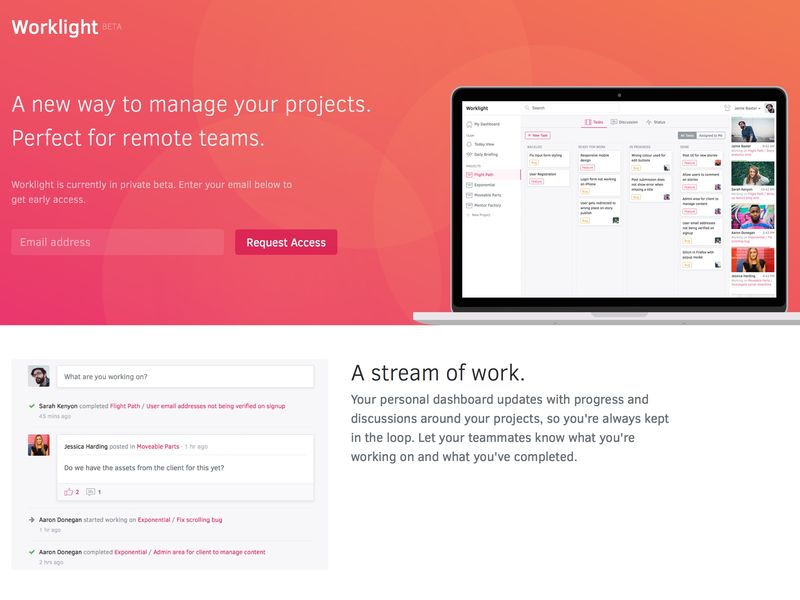
The 'Worklight' Project Management Tool Keeps Everyone Connected
Project management industry stands to benefit from the rise in demand for remote team management platforms.
Job Board Werk Advocates for Work Flexibility and Better Work Schedules
HR professionals can leverage the trend of work flexibility and enterprise assessment software to attract and retain top talent in their organization.
Snag's Flexible Working Hours Help Employees Achieve Balance
HR departments can take note of this trend in order to attract and retain talent in their organizations.
SaaS Startup LeeveBot Helps Users Keep Track of Team Leave Using Slack
Disruptive innovation opportunity: Provide software-as-a-service solutions that help businesses automate and optimize their processes, improving productivity and reducing operatio…