In an effort to drive productivity and boost morale, Millennial-minded companies are ditching the dated 9 to 5 schedule to offer employees flexible working hours.
While a majority of start-ups entice new employees with this model, older companies, like Snag, are beginning to shift to adopt these policies. Snag, a platform that connects hourly workers with employers offers an all-in-one solution for both parties, but unlike other temporary work platforms, Snag provides its employees with the same benefits as those with long-term, full time jobs.
Employees using this service are offered a steady stream of work, including competitive benefit packages, while still maintaining the freedom to select their own hours. According to Peter Harrison, Snag's CEO, "Snag is committed to connecting people with work that best fits their talents and availability so they can maximize their potential and live more fulfilling lives."
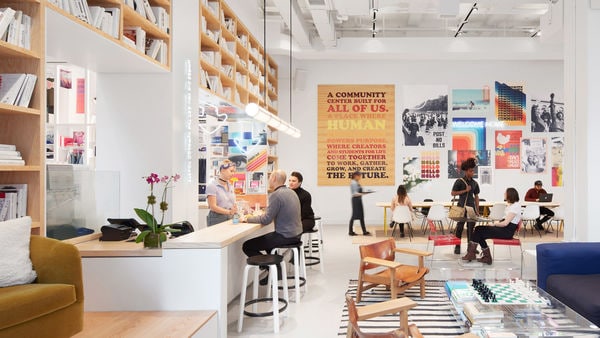
Image Credit: Sam Sabin via Americaninno
Key Themes Behind This Trend
- Flexible Working Hours
- Companies are shifting towards adopting flexible working hours to drive productivity and boost morale.
- Freelance and Gig Economy
- Platforms like Snag provide a viable alternative to traditional employment that offers both parties flexibility and competitive benefits.
- Employment for Hourly Workers
- Companies like Snag are revolutionizing the employment landscape for hourly workers by providing them with benefits comparable to those of full-time employees.
Where This Applies
- Human Resources
- HR departments can take note of this trend in order to attract and retain talent in their organizations.
- Online Job Platforms
- Platforms like Snag are disrupting the traditional job market by providing a more flexible and inclusive work environment.
- Contract and Temporary Staffing
- Companies in this industry can consider adopting policies similar to Snag's in order to attract both employers and employees looking for flexible and competitive work arrangements.