Category
Lifestyle
Baseline Support
Organizations highlight social issues by offering negotiable fares.

What's Happening
Bartered Commute: Whether as a means to offsetting urban traffic or as a reward for completing a set of exercises, activities that offer participants complimentary subway fare encourage them to adopt more positive behaviors. The gamification aspect makes participation feel leisurely, while in the long-term, the bartered model seeks to replace harmful behaviors with positive ones by emphasizing their benefit to the entire community.
Evidence
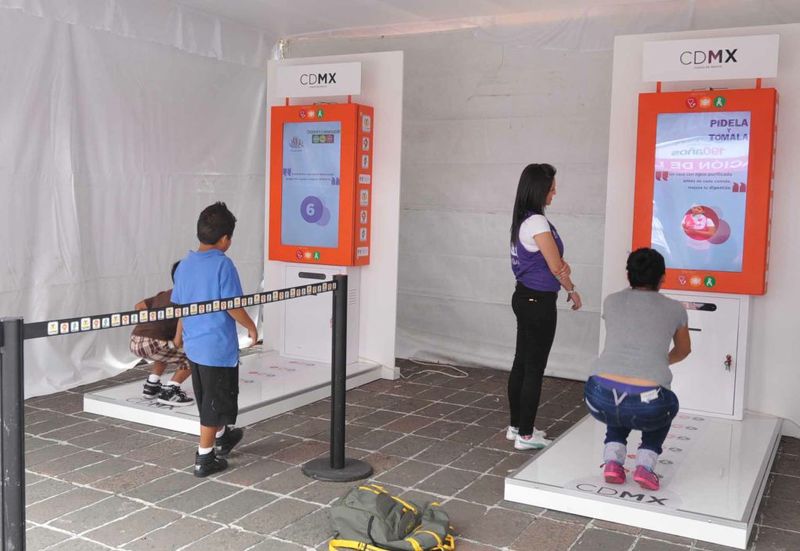
Mexico City is Offering Free Subway Rides in Exchange for Squats
Integrating fitness activities with public transportation can open up new opportunities in the health and wellness industry.
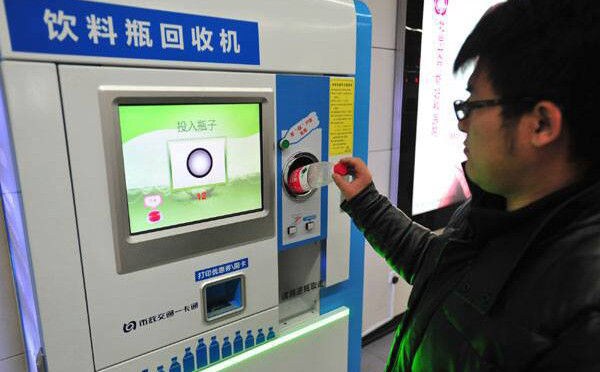
Plastic Recycling Could Get You a Free Transit Pass in Beijing
Opportunity to develop innovative recycling systems and technologies to support plastic recycling incentives.
This Charity Donation Platform Lets Commuters Give Leftover Credit
Implementing handheld donation devices like Common Pence can revolutionize fundraising efforts for charitable organizations, making it easier for them to collect donations from co…
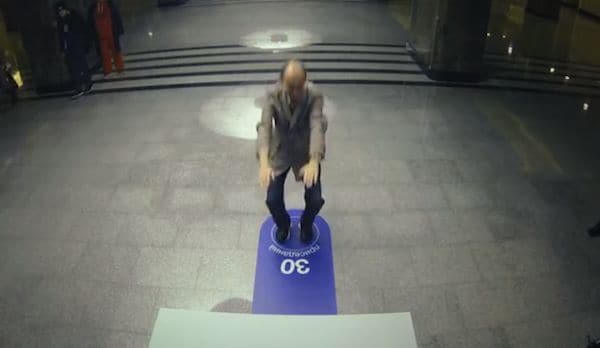
This Exercise Machine Trades Squats for Subway Fares
Manufacturers of fitness equipment can partner with transit authorities to provide interactive equipment and promote healthy living to commuters.
Workshop question
How can your brand incorporate gamified elements into the changes it is seeking to make?
Trend signals
Trend score 4.3 out of 10, from popularity 77%, activity 45%, freshness 8%.
Trend themes
By offering activities that make participation feel leisurely, individuals are more likely to adopt more positive behaviors.
Highlighting social issues and incentivizing positive behaviors can replace harmful behaviors with positive ones.
Sustainability is an important trend that is emerging as more cities adopt mechanisms that encourage recycling and sustainable practices.
Industry implications
Transit companies, including subways and trains, can adapt to new business practices by offering commuters a chance to engage in positive behaviors.
Public health organizations can promote healthy behaviors by providing individuals with incentives to exercise.
Charities and non-profits can use this business model and gamification to engage potential donors and raise awareness for important causes.