Category
Lifestyle
Baseline Support
Digital means enable the participation of remotely located consumers.
What's Happening
Virtual Attendance: A means to increasing accessibility and inclusiveness, virtual reality and live-streaming technology has been illuminated as a tool for engaging consumers around high profile cultural events they are not likely to experience in person. Such applications also serve to align the brand with notions of convenience, adaptability and intuitiveness in the mind of consumers, while organically increasing the reach of localized projects.
Evidence
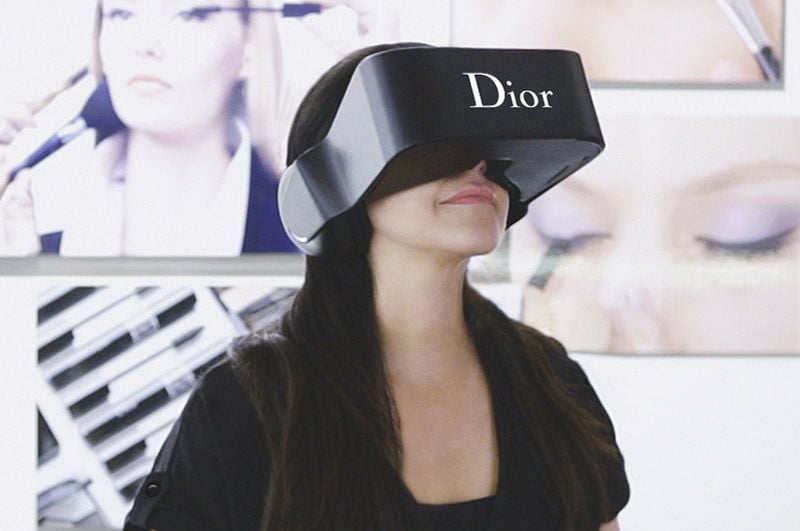
Dior Eyes is a Branded Virtual Reality Headset for Interacting with Clients
Fashion brands can leverage virtual reality to provide unique and innovative experiences for their customers, whether it's for fashion shows or online shopping.
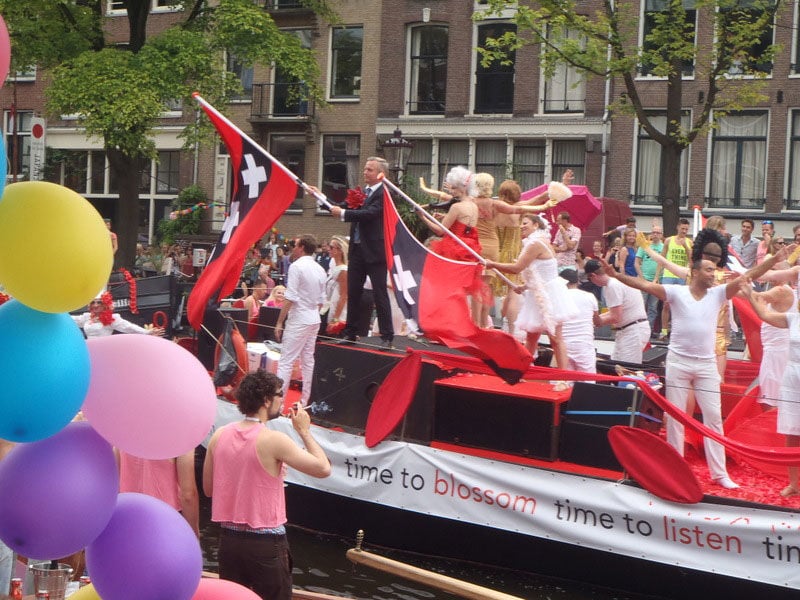
This Stream of the Amsterdam Gay Pride Parade Lets Everyone Participate
Live streaming platforms have the opportunity to capture and broadcast cultural events to global audiences.
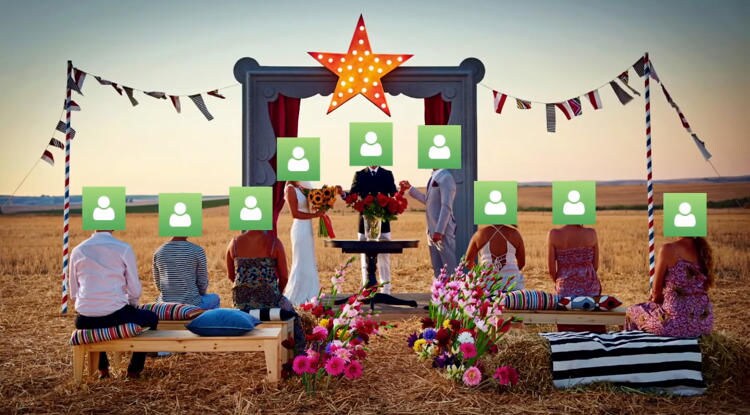
The IKEA Online Wedding Lets You Plan and Hold Your Nuptials On the Web
The wedding industry can benefit from virtual wedding services by extending its reach to a wider audience and reducing the cost and logistics associated with traditional weddings.
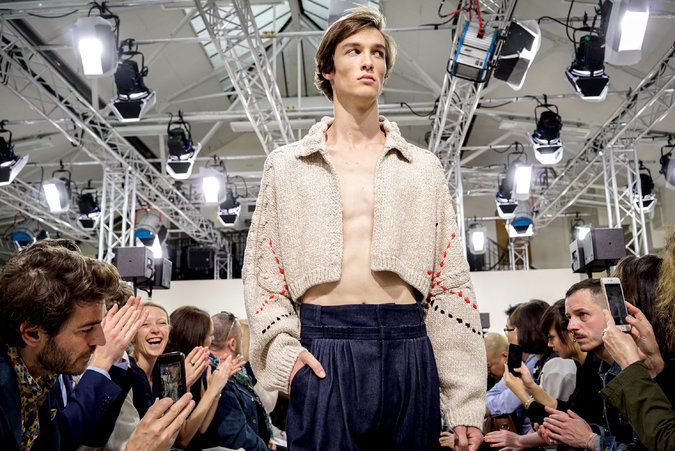
J.W.Anderson Will Livestream Its F/W 2016 Fashion Show on Grindr
Livestream marketing and interactive fashion shows allows for disruptive innovation opportunities within the fashion industry to provide more unique and interactive experiences fo…
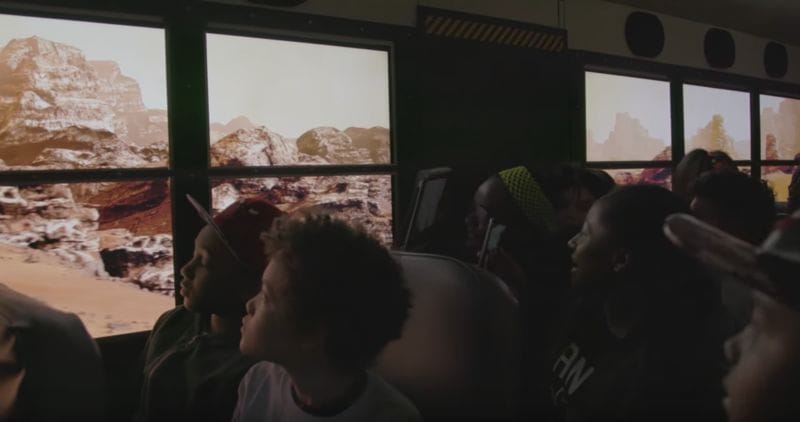
Lockheed Martin Turned School Bus Windows into Panels for Viewing Mars
The education industry can explore the integration of virtual reality and augmented reality technologies to provide immersive and engaging learning experiences.
Trend signals
Trend score 4.5 out of 10, from popularity 73%, activity 56%, freshness 8%.
Trend themes
Virtual reality and live-stream technology offer remote accessibility to high profile events, increasing inclusiveness and brand awareness.
Brands are seeking to provide consumers with fully interactive and behind-the-scenes retail experiences, using technologies like virtual reality headsets.
Cultural events around the world are using technology to open up parties and celebrations to huge international audiences, regardless of geographical location.
Industry implications
Brands can use immersive retail experiences to fully engage with customers, increasing brand loyalty and differentiation in a crowded marketplace.
The integration of virtual and augmented reality technologies into everyday experiences is creating new possibilities for learning, entertainment, and consumer engagement.
Virtual reality field trips and other immersive learning experiences have the potential to transform the classroom and offer students opportunities to explore places and ideas otherwise inaccessible.