Category
Lifestyle
Assisted Choices
Accommodating students with English as a second language becomes easier.


Trend
Multilingual Academia: Up until this point, those whose second language is English were forced to undergo additional education in the North American school system; in today's equality-focused world, that is remedied through more tailored, multingual education. Particularly useful in accommodating the growing number of formally educated Hispanic consumers, this development points toward a more balanced future population.
Trend themes
As the Hispanic population continues to grow, multilingual education is becoming more tailored and accessible, resulting in more balanced population demographics.
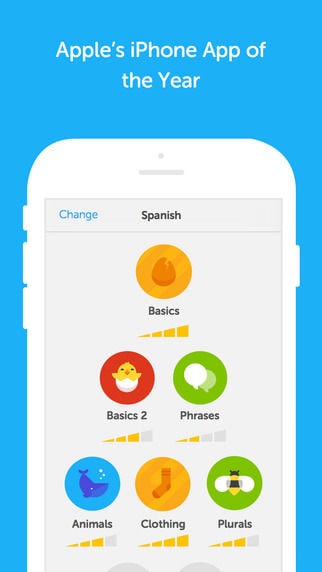
Language-teaching video games and language-learning apps like Koe and Duolingo offer a more personalized and gamified experience for people looking to learn a new language.
Universities like the National Hispanic University and educational technology consortiums like HETS are creating more culturally relevant academic programs and promoting technological advancements to benefit marginalized communities.
Industry implications
Multilingual education and gamified language learning are disrupting the traditional education sector by making personalized language learning accessible and culturally relevant.
Language-teaching video games like Koe and gamified language-learning apps like Duolingo are disrupting the gaming industry by combining entertainment with learning.
Educational technology consortiums like HETS are creating opportunities for technological advancements in education and promoting access to online academic programs for marginalized communities.
Workshop question
Trend signals
Trend score 1.7 out of 10, from popularity 26%, activity 16%, freshness 8%.
Evidence
The New 'Duolingo' App Prosises to Help Anyone Become a Polyglot
Disruptive innovation opportunity: Innovate in the education technology sector by developing new language learning apps and platforms that leverage gamification and adaptive learn…
These Online University Programs Cater to the Hispanic Community
Online education providers can benefit from developing programs that offer culturally relevant education for underrepresented groups like Hispanics.
This Educational Technology Consortium Advances Hispanic Interests
The higher education industry can explore disruptive innovation opportunities by incorporating bilingual services, technology integration, and strategies to support diverse studen…
The Koe Video Game Teaches Users How to Speak Japanese
Developing language-teaching games and incorporating gamification elements in all subjects.